

ASEAN member states finalized negotiations for the Digital Economy Framework Agreement (DEFA) at the 27th ASEAN Economic Community Council meeting in Cebu, Philippines, on May 7, 2026, with plans to sign the pact at the November 2026 ASEAN Summit, followed by 180-day ratification processes.
ASEAN Completes DEFA Negotiations Ahead of November Signing
ASEAN member states concluded formal talks on the Digital Economy Framework Agreement (DEFA) during the 27th ASEAN Economic Community Council (AECC) meeting in Cebu, Philippines, on May 7, 2026. Indonesian Coordinating Minister for Economic Affairs Airlangga Hartarto confirmed the agreement, stating that all substantive negotiations were finalized ahead of the November 2026 ASEAN Summit. The pact, designed to harmonize digital trade regulations across the region, will undergo legal review and domestic consultations before signing.

“All ASEAN member countries are keen to finalize all the substance of the negotiations by the 21st (final) Round in May 2026.
Airlangga Hartarto, Coordinating Minister for Economic Affairs, Indonesia
The DEFA framework aims to address cross-border data flows, e-commerce standards, and digital infrastructure development. Hartarto emphasized the need for “periodic reviews in line with the dynamics of the digital economy,” acknowledging that the agreement “is not yet perfect” but requires immediate implementation to capitalize on regional growth opportunities.
Ratification Timeline and National Alignment
Following the November 2026 signing, each ASEAN member state will complete domestic ratification within 180 days, as outlined in the agreement. For Indonesia, the DEFA aligns with its National Digital Economy Strategy 2030, which prioritizes expanding digital infrastructure, upskilling workers, and strengthening cybersecurity regulations. The pact also supports Indonesia’s efforts to join the Organisation for Economic Co-operation and Development (OECD), according to the Ministry of Economic Affairs.
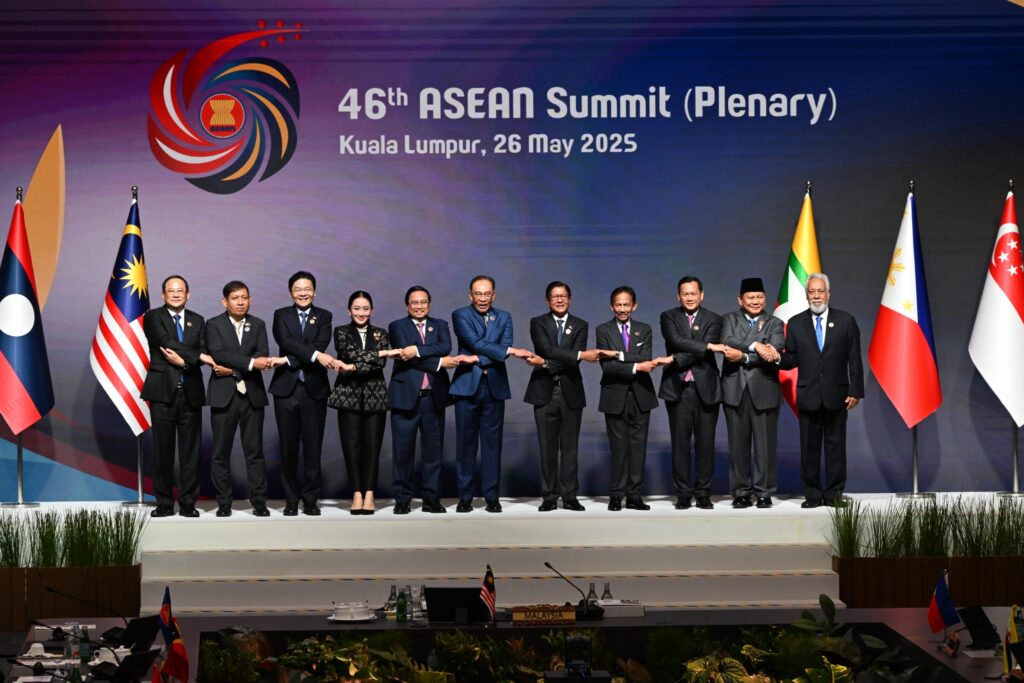
The agreement’s timeline reflects urgency amid rapid technological advancements. Hartarto noted that “the current development of the digital economy is very dynamic and must be responded to wisely by the regional bloc,” underscoring the need for coordinated regulatory frameworks to prevent fragmentation.
Expert Reviews and Implementation Challenges
Regional experts will conduct final reviews of the DEFA text to ensure “clarity, consistency, and readiness of the text before it is signed in November,” as reported by the Philippine News Agency on March 10, 2026. While the pact represents a landmark effort to unify ASEAN’s digital policies, challenges remain in balancing national interests with collective goals. Member states must reconcile differing levels of digital readiness, particularly between more advanced economies like Singapore and less developed neighbors such as Laos and Cambodia.
The agreement’s success will depend on enforcement mechanisms and dispute-resolution processes, which remain under discussion. ASEAN’s track record on implementing trade agreements also raises questions about the DEFA’s enforceability, though officials stress that the pact includes “flexible provisions to accommodate varying national contexts.”
Broader Implications for Regional Integration
The DEFA marks a pivotal step in ASEAN’s broader economic integration agenda, complementing existing frameworks like the ASEAN Free Trade Area (AFTA) and the Regional Comprehensive Economic Partnership (RCEP). By creating a unified digital market, the agreement could boost e-commerce transactions, which accounted for 12% of ASEAN’s GDP in 2025, according to the ASEAN Secretariat.
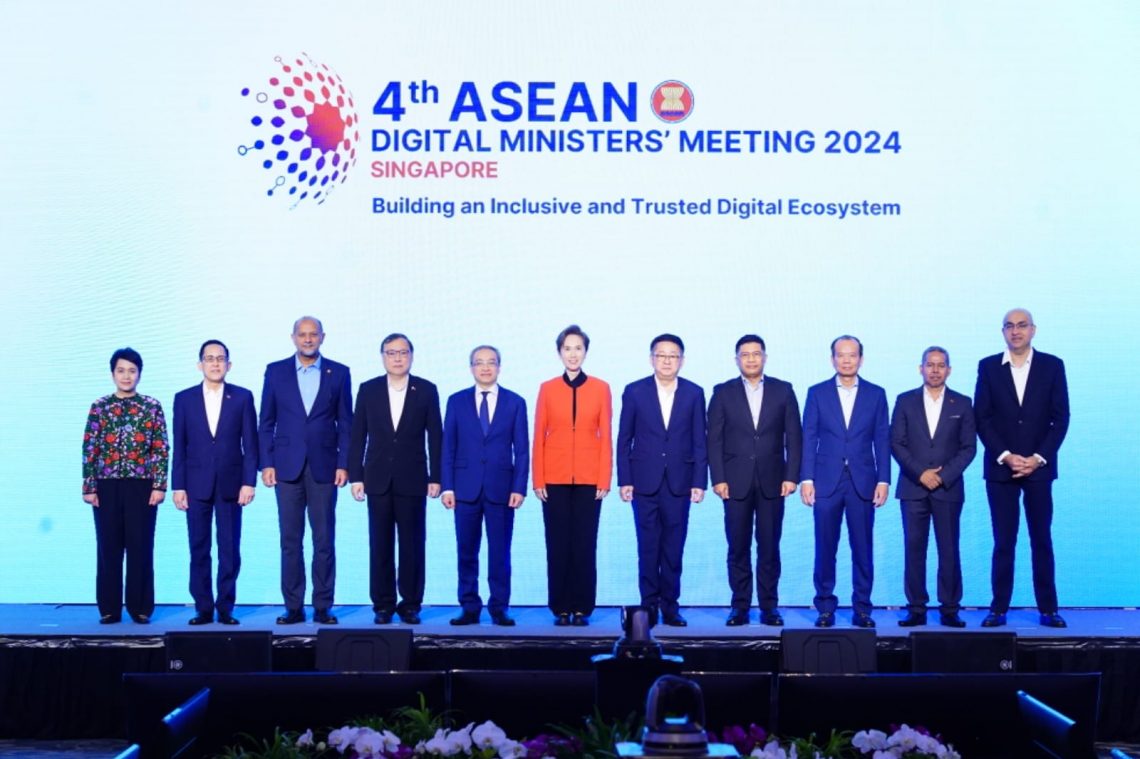
Analysts highlight the potential for the DEFA to enhance regional competitiveness against global tech giants. “A cohesive digital economy framework would enable ASEAN to negotiate from a stronger position in international trade discussions,” said Dr. Maria Lourdes R. Pascual, a senior fellow at the ASEAN Institute for Strategic Affairs. However, she cautioned that “realizing the pact’s benefits will require sustained investment in digital literacy and infrastructure, particularly in rural areas.”
What Comes Next?
The DEFA’s next critical milestone is the November 2026 signing, which will be followed by national ratification processes. Failure to complete these steps by mid-2027 could delay the agreement’s implementation, though officials remain optimistic. ASEAN Secretary-General Kao Kim Hourn reiterated the bloc’s commitment to “accelerating digital transformation as a driver of inclusive growth,” during a May 2026 press briefing.
As the region moves forward, the DEFA’s legacy will hinge on its ability to adapt to emerging technologies such as artificial intelligence and quantum computing. With the digital economy projected to contribute 15% of ASEAN’s GDP by 2030, the pact’s success could set a precedent for future regional collaborations on tech governance.
