President Donald Trump announced Monday that the U.S. and Iran have finalized a peace agreement, including the immediate reopening of the Strait of Hormuz—a critical shipping lane through which 20% of the world’s oil passes. The deal, confirmed by Trump in a post on Truth Social, will be formally signed on June 19 in Switzerland, with Iran pledging to lift its maritime blockades and the U.S. ending its naval restrictions. The agreement also includes a 60-day window for broader negotiations on nuclear issues and sanctions relief.
What the Agreement Covers—and What’s Still Uncertain
The framework agreement, first signaled by Pakistani Prime Minister Shehbaz Sharif on June 13, includes three key pillars: the immediate reopening of the Strait of Hormuz, a 60-day ceasefire across all fronts (including Lebanon), and a commitment from Iran to maintain its current nuclear status quo—no enrichment beyond current levels—until a final deal is reached. According to Radio Free Europe/Radio Liberty, Iran’s Foreign Ministry confirmed the ceasefire would begin upon signing, while Trump’s announcement emphasized the economic stakes: “The ships of the world, start your engines. Let the oil flow,” he wrote, framing the deal as a victory for global energy markets.
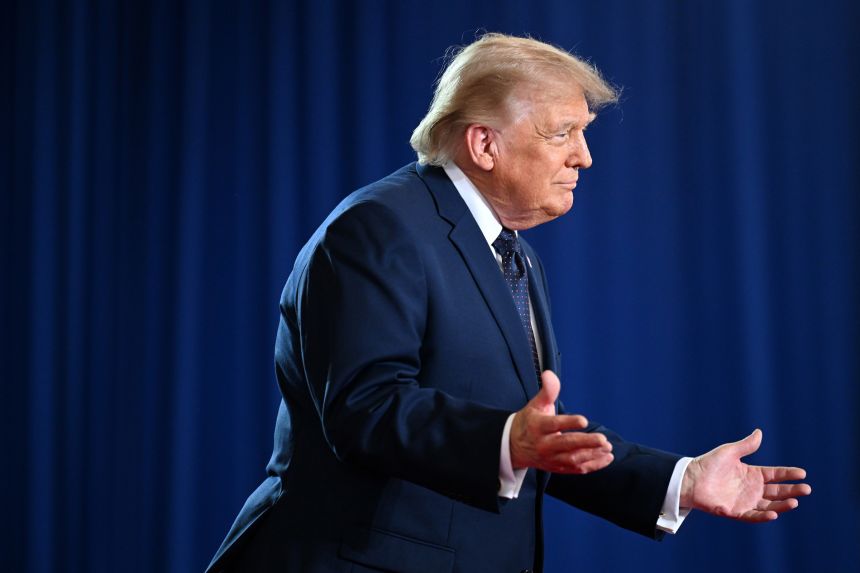
Photo: Слово і Діло
Yet critical details remain unresolved. While Trump’s post suggested the U.S. would lift sanctions on Iranian oil, Iranian officials—including those quoted by NV.ua—have not confirmed whether full sanctions relief will be immediate or conditional. The 14-point memorandum leaked to Iranian state media outlines a phased approach: sanctions would be suspended first, with full lifting tied to Iran’s compliance on nuclear and regional security issues. Meanwhile, Iran’s Revolutionary Guard Corps (IRGC) has stated it will retain operational control over the Strait of Hormuz, a claim contradicted by Trump’s framing of the deal as a “full and unobstructed” reopening.
The Timeline: From Announcement to Signing
The agreement’s rollout has unfolded in three phases, each marked by diplomatic signaling and public statements:
1. June 13: Pakistani Prime Minister Shehbaz Sharif announced in a tweet that a “peace agreement” between the U.S. and Iran had been reached, with signing planned for June 19 in Switzerland. Sharif, who mediated the talks, noted that technical negotiations would precede the ceremony.
2. June 14: Trump posted on Truth Social confirming the deal’s completion, adding that the Strait of Hormuz would reopen “without delay” and that U.S. naval blockades would be lifted. He also specified that Vice President J.D. Vance would attend the signing in Geneva, though he did not rule out his own participation.
3. June 15: Iranian officials, including Foreign Ministry spokesperson Nasser Kanani, confirmed the ceasefire but declined to comment on sanctions, citing ongoing negotiations. Meanwhile, Trump’s team clarified that the June 19 signing would be electronic, with physical attendance optional.
The timeline reflects a deliberate pace: the 60-day window for broader talks begins only after the June 19 ceremony, giving both sides time to address outstanding issues without immediate pressure.
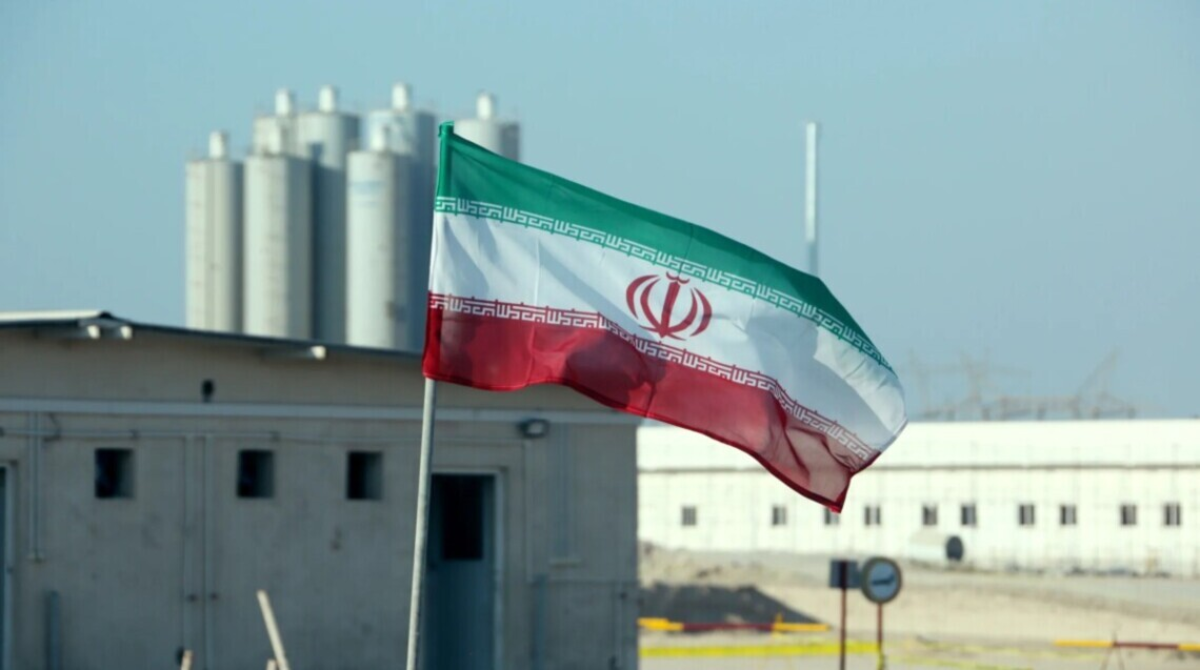
Photo: Радіо Свобода
Why the Strait of Hormuz Is the Deal’s Most Critical—and Controversial—Element
The Strait of Hormuz, a 33-kilometer waterway between Iran and Oman, is the world’s most strategically sensitive chokepoint for oil shipping. Nearly 20% of global oil—including 30% of seaborne crude—transits the strait daily, making its closure a geopolitical weapon. Iran’s 2024 blockade, triggered by U.S. sanctions and regional tensions, disrupted global supply chains and sent oil prices surging by 15% in weeks. The deal’s promise to reopen the strait is thus both an economic lifeline and a diplomatic tightrope: Iran insists it will regulate traffic in coordination with Oman, while the U.S. frames the move as a return to pre-blockade conditions.
Trump: Strait of Hormuz will be open tomorrow, deal still set to be signed
The contradiction highlights deeper tensions. As Slovo i Dilo reported, Iranian officials have stated that the U.S. will have no role in enforcing maritime security in the strait—a stark contrast to Trump’s assertion that the deal “fully sanctions” its reopening. This divergence raises questions: Will Iran enforce its own rules, risking renewed disruptions? Or will the U.S. quietly maintain a presence under the guise of “coordination,” as it did during past crises?
What Comes Next: The 60-Day Window and the Nuclear Stakes
The next 60 days will determine whether this framework agreement becomes a lasting peace—or a fragile truce. Three immediate challenges stand out:
1. Nuclear Negotiations: Iran has agreed to freeze uranium enrichment and refrain from expanding its nuclear facilities, but the deal does not specify how long this moratorium will last. According to Radio Free Europe/Radio Liberty, U.S. officials have tied sanctions relief to Iran’s compliance with this freeze, but Iranian hardliners—including those quoted by EuroIntegration—have warned against any permanent concessions on enrichment rights.
2. Sanctions Relief: The U.S. has frozen $25 billion in Iranian assets, which Tehran demands be unfrozen as part of the deal. However, as Ukrainian Pravda noted, Trump’s post did not mention asset releases, leaving unclear whether this will be a one-time payment or tied to future compliance.
3. Regional Stability: The ceasefire extends to Lebanon, where Iran-backed Hezbollah has clashed with Israeli forces. But with no mechanism to enforce the truce, analysts warn of a “cold peace” scenario—where violence resumes if either side perceives the other as violating the agreement. The IRGC’s insistence on controlling the Strait of Hormuz suggests Iran may use economic leverage to pressure the U.S. on other fronts, such as Yemen or Syria.
The biggest wild card remains Trump’s political calculus. With the 2026 U.S. election looming, the president’s framing of this deal as a “victory” for American energy and global stability contrasts with past skepticism from his own party. Republicans have criticized any concessions to Iran, while Democrats—typically wary of Trump’s dealmaking—have remained silent, likely awaiting details. If the 60-day window collapses without progress, the deal could unravel faster than it was signed.
How This Deal Compares to Past U.S.-Iran Agreements
This agreement shares structural similarities with the 2015 Joint Comprehensive Plan of Action (JCPOA), but with critical differences that reflect the current geopolitical climate:
| Element | 2015 JCPOA | 2026 Framework Deal |
Sanctions Relief | Full, immediate lifting of sanctions | Phased, tied to compliance |
| Nuclear Restrictions | Temporary freeze on enrichment | Temporary freeze with no end date set |
| Ceasefire Scope | Limited to nuclear program | Includes regional conflicts (Lebanon) |
| Third-Party Role | UN-led verification | Pakistan-mediated, with no UN role |
| Strait of Hormuz | Not addressed | Explicit reopening as a key demand |
The 2026 deal is more limited in scope but also more immediate in its economic impact. Where the JCPOA took years to implement, this agreement aims for rapid results—particularly on oil flows—while deferring the hardest negotiations to later stages. The absence of a UN verification mechanism, however, raises questions about enforcement. In 2015, inspectors from the International Atomic Energy Agency (IAEA) played a central role in monitoring compliance; this deal relies on bilateral trust, a far riskier proposition.
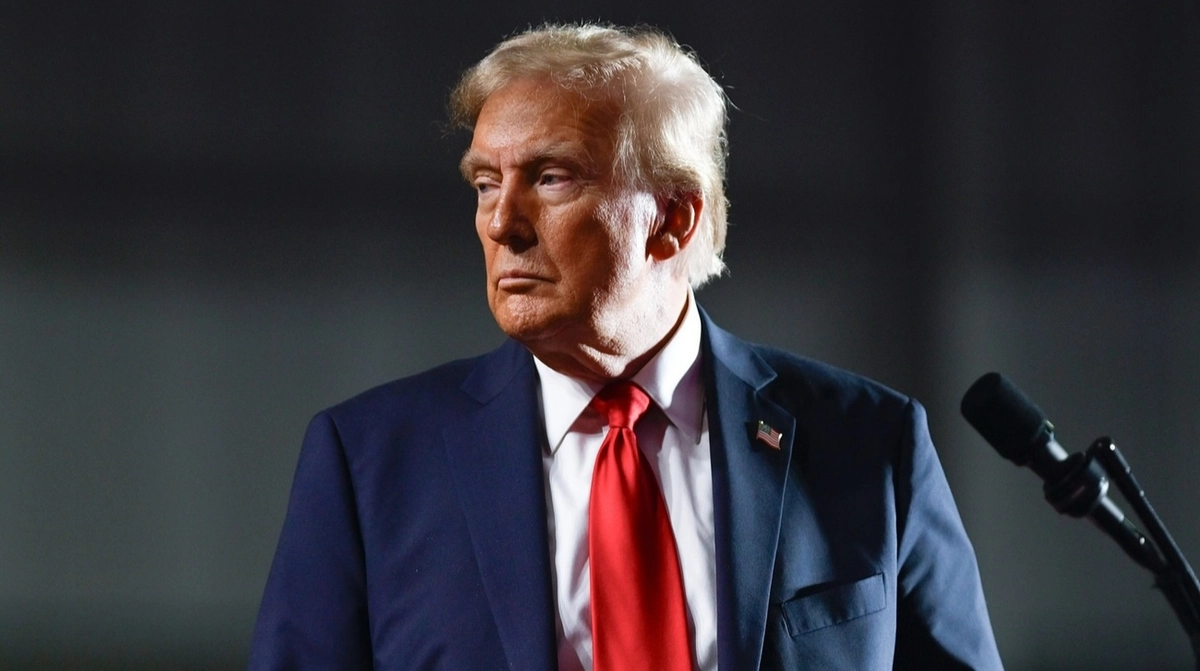
Photo: Українська правда
The Bigger Picture: What This Means for Global Energy and U.S. Foreign Policy
For oil markets, the deal’s immediate impact is clear: the reopening of the Strait of Hormuz could stabilize prices, which have fluctuated due to supply fears. But the long-term effects depend on whether Iran and the U.S. can sustain cooperation. Historically, such agreements have collapsed under pressure—most notably when Trump withdrew from the JCPOA in 2018, triggering a new round of sanctions and tensions.
For U.S. foreign policy, the deal signals a shift toward transactional diplomacy, where economic incentives (oil flows, sanctions relief) take precedence over ideological demands. This approach aligns with Trump’s “America First” rhetoric but risks alienating allies who view Iran as a state sponsor of terrorism. Meanwhile, Iran’s hardliners may see the deal as a temporary pause rather than a permanent surrender, given their insistence on controlling the Strait of Hormuz—a move that could reignite conflicts if perceived as a U.S. concession.
The most immediate test will come in the next 30 days: Can both sides avoid missteps that could derail the ceasefire? Or will the Strait of Hormuz become a flashpoint once again, proving that even the most carefully negotiated deals are only as strong as the trust behind them.
One thing is certain: This deal is not the end of the story. It is, as Trump framed it, a “great first step”—but the real work begins now.
Bio:
John Smith is the World Editor at Headlinez.News, leading the global news desk and overseeing international correspondents. With 15 years of field experience across Europe, the Middle East, and Asia, John has reported from conflict zones, summits, and humanitarian missions. His deep understanding of geopolitical trends and cross-cultural reporting ensures that readers receive accurate, balanced perspectives on world events that shape the global narrative.
Expertise: International reporting, geopolitics, diplomacy, conflict journalism, foreign policy analysis.
Location: London, United Kingdom