
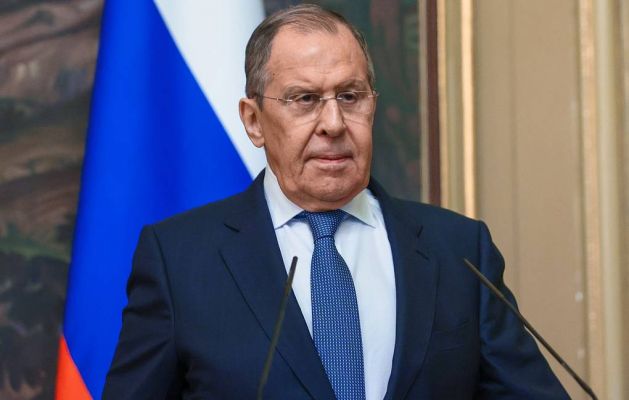
Russian Foreign Minister Sergey Lavrov confirmed on June 15, 2026, that recent high-level meetings between Russian officials and diplomats from the United Kingdom, Germany, and France yielded no new progress. Lavrov dismissed European attempts to mediate the conflict in Ukraine as based on the illusory belief that Russia is losing the war.
Diplomatic Standoff: The June 11 Meetings in Moscow
On June 11, Russian Deputy Foreign Minister Mikhail Galuzin hosted the ambassadors of the United Kingdom, Germany, and France—the so-called “EU3″—at the Ministry of Foreign Affairs in Moscow. The meeting, requested by the Western diplomats, focused on the ongoing conflict in Ukraine and the potential for political-diplomatic resolution.
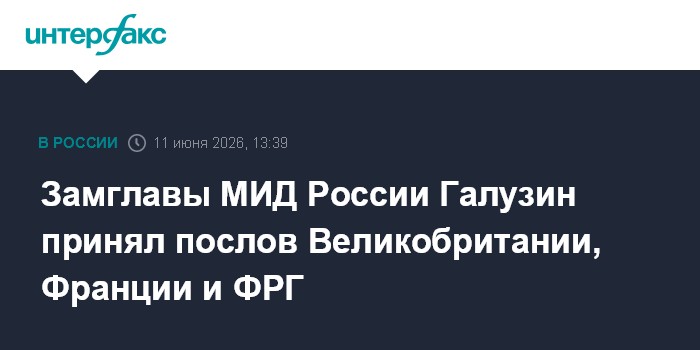
While the Russian Foreign Ministry described the discussions as a venue where “Главам дипломатических миссий были изложены объективные оценки деструктивной политики руководства их стран применительно к украинскому кризису, которая направлена на максимальное стимулирование киевского режима к продолжению войны против России от имени, за счёт и при прямой помощи западной”, the European perspective differed in tone. According to The Insider, French Ambassador Nicolas de Rivière characterized the session as a “good discussion,” even as the EU3 representatives pressed for direct negotiations between Moscow and Kyiv.
The role of the “EU3” format—a diplomatic grouping traditionally used by Britain, France, and Germany to coordinate policy toward Iran—has recently been adapted by these nations as a mechanism to synchronize their support for Ukraine. By acting in concert, these three European powers aim to maintain a unified front on security guarantees and sanctions, though their influence remains contested by Moscow, which frequently questions the autonomy of European foreign policy relative to NATO and Washington.
Conflicting Views on Mediation and Strategic Reality
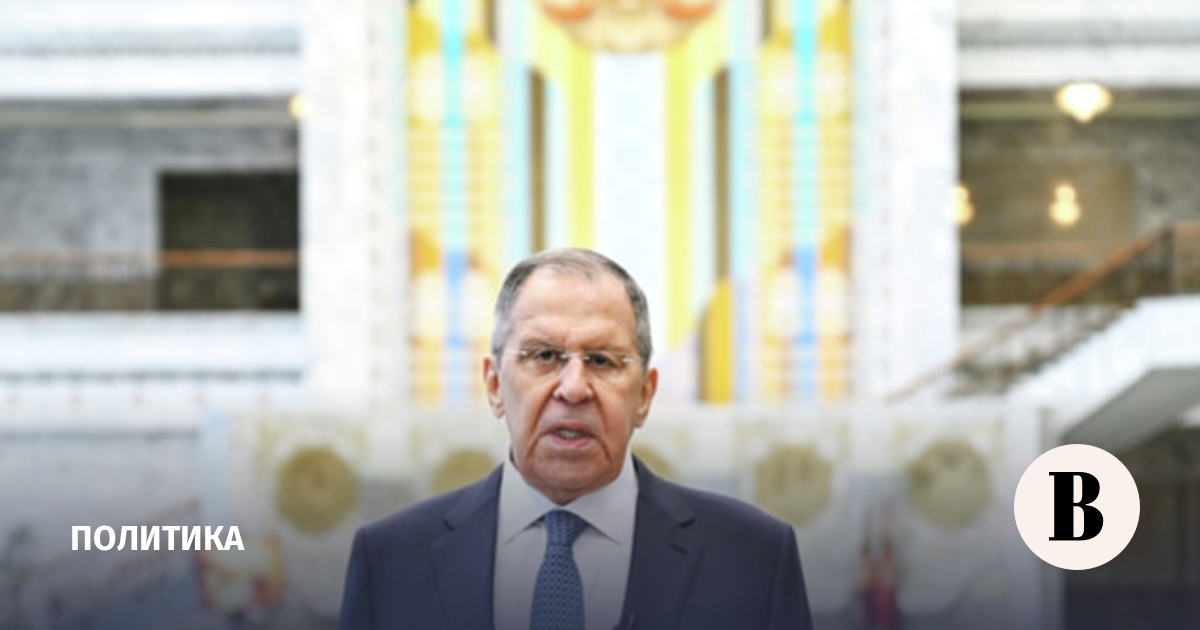
Sergey Lavrov, speaking from Minsk following a meeting with Belarusian President Alexander Lukashenko, pushed back against the notion that the European powers could serve as effective neutral brokers. As reported by EADaily, Lavrov argued that European officials are operating under a fundamental miscalculation regarding the battlefield situation.
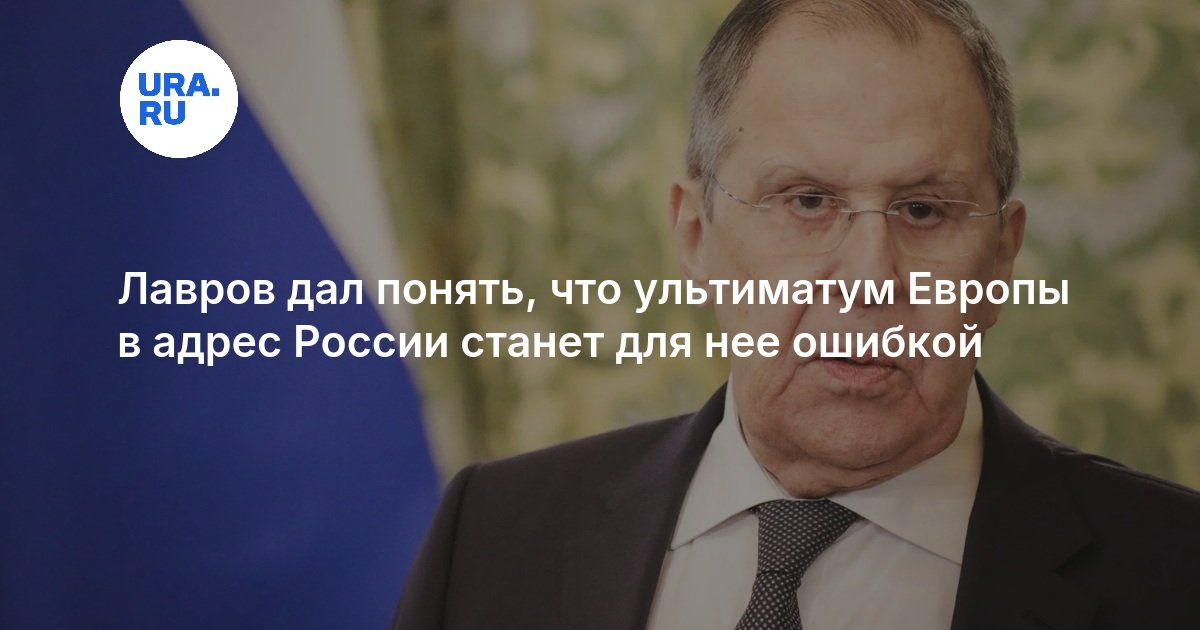
“The Europeans mistakenly believe that they can dictate terms to Russia. Such a position is untenable,” Lavrov stated, according to URA.RU. The Foreign Minister characterized the EU3’s persistent offers of mediation as an attempt to remain relevant in a process where they have already alienated Moscow through their support of the Ukrainian government. Vedomosti notes that Lavrov explicitly rejected the “language of ultimatums” he claims the EU3 employed during their visit to the ministry.
This rejection highlights a broader pattern in the diplomatic impasse: the divergence between Western calls for a “just peace” based on the restoration of Ukrainian territorial integrity and the Russian demand for a “new security architecture” that would preclude further NATO enlargement. Moscow’s refusal to engage with the EU3 as neutral brokers stems from its classification of these nations as “unfriendly states,” a designation that has severely curtailed formal diplomatic communication channels since 2022.
The Role of the United States in Future Negotiations
The diplomatic friction in Moscow follows a period of intense coordination among Western allies. Following a June 7 meeting in London between Ukrainian President Volodymyr Zelensky and leaders of the EU3, the European powers publicly called for a direct dialogue between Moscow and Kyiv, emphasizing the need for active participation from both the United States and European nations.
Despite the European push for a tripartite mediation model, Russian officials continue to signal that their primary focus remains on bilateral or US-involved frameworks. Lavrov confirmed that a visit from U.S. presidential envoy Steve Witkoff and Jared Kushner is expected in the near future. The Foreign Minister underscored that Moscow remains committed to previous agreements reached on the sidelines of international summits, notably referencing arrangements discussed on the “Alaska” track.
The “Alaska” track, a recurring term in recent high-level Russian diplomatic discourse, refers to back-channel discussions aimed at de-escalation that have occasionally taken place in neutral locations. These discussions are typically characterized by a high degree of secrecy and a focus on preventing direct military confrontation between nuclear powers, rather than resolving the specific territorial disputes of the Ukrainian conflict. By prioritizing this track, Moscow signals its preference for dealing directly with Washington, whom it views as the primary architect of the Western policy toward Ukraine.
As Interfax reported, the Russian Foreign Ministry maintained that its current diplomatic efforts are centered on “finding a political-diplomatic settlement of the conflict based on eliminating its root causes.” With the European Union planning to discuss the potential for direct negotiations at a summit scheduled for June 18–19, the diplomatic landscape remains deeply divided over who holds the leverage and who should facilitate the path to an eventual ceasefire. The outcome of the upcoming summit is expected to be closely watched for signs of whether the EU will attempt to adjust its stance to better align with the shifting realities of the front lines or maintain its current policy of sustained military and political support for Kyiv.
Find more reporting in our World section.
