
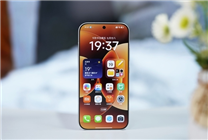
Jiangsu province has launched a sweeping consumer stimulus program, offering cash rebates of up to 1,000 yuan (about $140) for purchases of smartphones priced at 6,000 yuan or higher, effective June 18, 2026. The initiative—part of the “Su New Consumption” campaign—marks the latest effort to revive domestic demand amid slowing economic growth, with provincial authorities distributing 3.45 billion yuan in vouchers and digital red packets to spur spending across 1700+ events.
Why This Matters: How Jiangsu’s Subsidy Stacks Up Against National Policies
Jiangsu’s smartphone subsidy directly complements—but does not duplicate—the national policy already in place. While the central government offers a 15% rebate on phones priced below 6,000 yuan (capped at 500 yuan per device), Jiangsu’s program targets the high-end segment, providing 10% cashback on purchases above 6,000 yuan, with a 1,000 yuan ceiling. The dual approach creates a “sweet spot” for consumers: those buying mid-range devices get national support, while premium buyers benefit from provincial incentives.
According to 驱动之家, the subsidy is structured as a first-come, first-served allocation, with funds set to deplete once exhausted. This scarcity mechanism—uncommon in China’s consumer stimulus programs—risks creating artificial shortages, particularly for flagship models like the iPhone 15 Pro or Huawei Mate 60 Pro, which frequently retail above 10,000 yuan. Analysts warn that without clear replenishment plans, early adopters may face disappointment if demand outstrips the provincial budget.
Beyond Phones: 12 Incitements and 1,700+ Events Fueling Jiangsu’s Summer Spending Spree
The smartphone subsidy is just one plank in Jiangsu’s broader “Su New Consumption” strategy, which 腾讯新闻 reports includes 12 targeted incentives across travel, education, and retail.
- Travel: Discounted airline and high-speed rail tickets for summer vacations, with a focus on “water-themed” tourism tied to Jiangsu’s rivers and lakes.
- Education: Special research and learning programs for high school graduates, including “university question-and-answer” sessions and science camps.
- Retail: Expanded “Su Brand, Su Goods” promotions, with 80,000+ businesses participating in location-based discounts (e.g., 20% off at designated malls).
- Automotive: Extended rebates for new car purchases, with local dealers offering additional financing incentives.
The scale of the initiative is staggering: 3.45 billion yuan in vouchers (equivalent to roughly 0.1% of Jiangsu’s 2025 GDP) and 88.9 million yuan in digital red packets, distributed through partnerships with platforms like Alipay and WeChat Pay. The province’s commerce department has framed this as a “digital-first” campaign, with QR code-based redemption and real-time tracking to minimize fraud.
Who Benefits—and Who Might Miss Out?
The subsidy’s design creates clear winners and losers. Premium smartphone buyers stand to gain the most, with potential savings of up to 20% on devices like the iPhone 15 Pro Max (12,999 yuan) or Huawei’s latest foldable. However, the first-come, first-served model may disadvantage rural consumers or those with limited access to participating retailers—primarily concentrated in urban centers like Suzhou and Nanjing.
Local retailers—especially those selling electronics—are the primary beneficiaries, as the subsidy effectively shifts consumer demand from online platforms to physical stores. 腾讯新闻 notes that the province has partnered with chains like Suning and Gome to ensure widespread participation, but independent shops may struggle to compete with the organized promotions.
The policy also indirectly supports Jiangsu’s tech and manufacturing sectors, particularly as it aligns with the province’s push to position itself as a hub for “smart consumption.” By incentivizing high-end purchases, officials aim to boost demand for locally produced components and services, from after-sales repairs to cybersecurity upgrades.
The Bigger Picture: Jiangsu’s Gambit in China’s Consumer Slowdown
Jiangsu’s move comes as China grapples with a prolonged consumer slowdown, with retail sales growth slipping to 2.3% year-over-year in May 2026—the weakest pace since the pandemic. Provincial-level stimulus programs like this one reflect a decentralized response to national challenges, with regions like Guangdong and Zhejiang rolling out similar incentives in recent months.
Yet the strategy isn’t without risks. Subsidy fatigue is a growing concern: Chinese consumers have grown skeptical of one-off promotions, particularly as inflation erodes the real value of cash rebates. A 2025 survey by Caixin found that 68% of urban shoppers viewed such programs as “short-term gimmicks” rather than sustainable drivers of demand. Jiangsu’s officials are betting that the combination of scarcity (limited funds) and exclusivity (high-end focus) will circumvent this cynicism.
There’s also the question of long-term impact. While the smartphone subsidy may provide a short-term boost to retailers and manufacturers, it does little to address structural issues like stagnant wages or housing market pressures—the root causes of China’s consumption slump. Economists at 新浪财经 warn that without complementary policies—such as tax cuts for middle-income households or expanded social safety nets—the effects may be fleeting.
What Happens Next: Watch for These Three Developments
1. Subsidy depletion timelines: With funds allocated on a first-come, first-served basis, the first week of the program will be critical. If demand exceeds expectations—particularly for premium models—Jiangsu may face backlash over unfulfilled promises. 驱动之家 suggests monitoring official announcements for potential extensions or expanded eligibility.
2. Retailer reactions: Chains like Suning and Gome will likely report early sales data within the next two weeks. If participation lags among smaller retailers, the province may need to adjust its partnership model to ensure broader coverage.
3. Broader policy coordination: Beijing has signaled openness to provincial-level consumption stimulus, but only if it aligns with national priorities like “common prosperity.” Jiangsu’s high-end focus could set a precedent—or draw criticism—for prioritizing luxury goods over essentials like housing or healthcare.
The next 30 days will reveal whether Jiangsu’s gamble pays off—or becomes another example of how China’s fragmented policy responses struggle to move the needle on consumption.
Find more reporting in our Business section.
