

A deadly strain of H5N1 bird flu has reached mainland Australia for the first time, confirmed Saturday in a migratory seabird found near Esperance, Western Australia, with experts warning the virus could trigger a catastrophic die-off among native species if it spreads to ducks and freshwater systems.
What the confirmed case means for Australia’s wildlife
Australia’s first mainland detection of H5N1—confirmed in a brown skua found dead on June 16 at Cape Le Grand National Park—marks the arrival of a virus that has already devastated wildlife globally, killing millions of birds and mammals since 2021. The strain, H5N1 clade 2.3.4.4b, has been detected in more than 400 wild bird species and 40 mammals worldwide, including seals, otters, and even Tasmanian devils. While the current case is isolated, ecologists warn that if the virus establishes itself in Australia’s freshwater systems—where ducks act as highly efficient spreaders—the consequences could be disastrous.
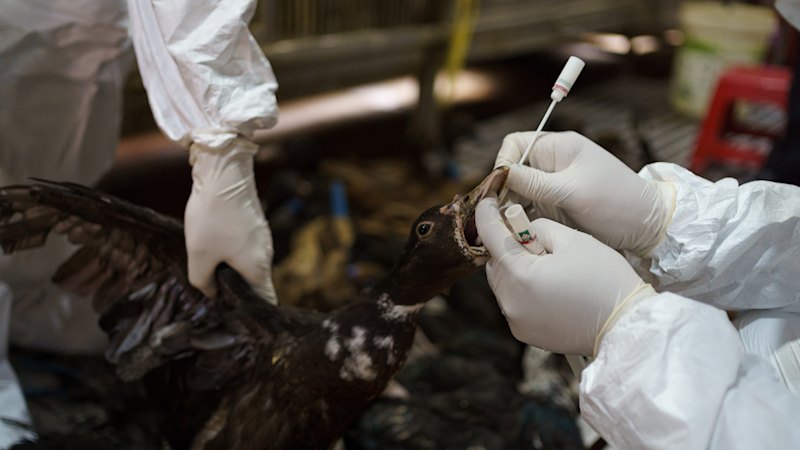
“We’re in bad territory,” said Deakin University ecologist Marcel Klaassen, who noted that ducks lack natural defenses against the virus and spread it through fecal-oral transmission in water. “They have no toilets, they poo in the water,” he said. “So faecal-oral transmission is very easy in freshwater.”
Australia’s vulnerability was underscored by the virus’s earlier arrival in 2025 on Heard Island, where it killed thousands of elephant seal pups—a 95% mortality rate in some colonies. The Invasive Species Council’s Jack Gough called a potential outbreak “one of the greatest wildlife disasters Australia’s ever faced,” citing declines of 30% to 70% in bird populations globally where H5N1 has taken hold. “This could be the beginning of a long fight to protect birds and wildlife in Australia,” said BirdLife Australia CEO Kate Millar.
The stakes for threatened species—and why experts fear the worst
Australia’s native wildlife faces existential threats from H5N1, particularly species with already fragile populations. The orange-bellied parrot, with fewer than 200 individuals left, and the western ground parrot—both critically endangered—could face collapse if the virus spreads. Black swans, which lack key immune genes found in other waterfowl, are also at high risk of being wiped out entirely, according to past studies cited by ABC Science. Even species not currently threatened—like black swans and little penguins—could become so if the virus establishes itself.
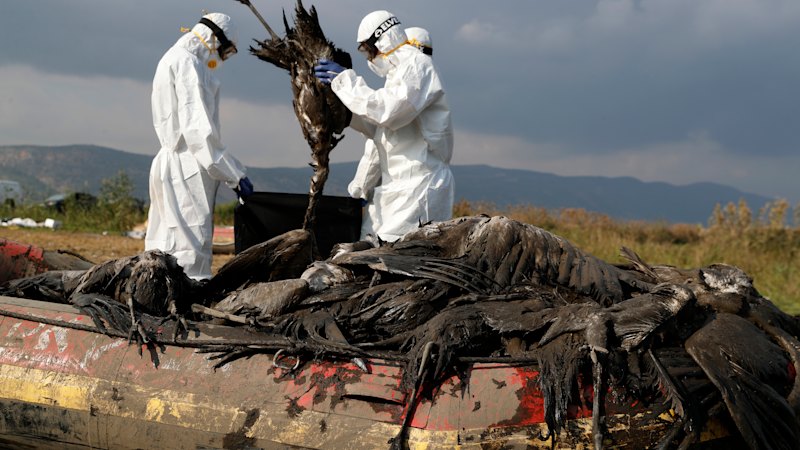
Mammals are not immune. Tasmanian devils, which scavenge carcasses, and common brushtail possums could contract the virus through infected birds, as seen with Virginian opossums in the U.S. The risk extends to marine mammals: in South America, H5N1 has killed 30,000 sea lions and 17,000 elephant seal pups since 2022, with unknown numbers of dolphins and otters also affected.
“Ranging from mammals such as the Tasmanian devil … to critically endangered species such as the orange-bellied parrot,” said Threatened Species Commissioner Fiona Fraser. “But also species which aren’t already threatened but which could become so in some locations, such as the black swan.”
How Australia is responding—and what comes next
The federal government has spent $113 million preparing for this moment, with Agriculture Minister Julie Collins emphasizing that Australia has been “carefully preparing for this event for a long time.” The response includes enhanced surveillance, removal of carcasses to prevent spread, and restrictions on poultry mixing with wild birds. WA’s Chief Veterinary Officer, Dr. Michelle Rodan, said the state has trained private vets and expanded diagnostic testing capabilities, while the public has been urged to report dead or sick birds to the Emergency Animal Disease Hotline.
Prime Minister Anthony Albanese called the arrival of H5N1 “concerning” but stressed that the government’s $113 million investment—including $64 million cut from the Protecting Native Species program to $47 million—was aimed at containment. “We all knew that we couldn’t be bird [flu]-free forever,” Albanese said, acknowledging the inevitability of the virus’s spread via migratory birds. However, the 27% cut to native species funding has drawn criticism from environmental groups, who argue that degraded habitats will make wildlife even more vulnerable.
As of Saturday, there is no evidence of mass mortality or infection in poultry, but officials are racing to determine whether the virus has established itself in local populations or is merely a case of migratory birds carrying it from the sub-Antarctic. “We will know within a few days about whether or not this has established itself in any populations in Australia,” Collins said. Meanwhile, a second bird—a southern giant petrel found nearby—has tested positive in preliminary tests, with confirmation pending.
What happens if H5N1 spreads—and who bears the blame
The biggest unknown is whether Australia’s preparation will be enough. While the government has invested heavily in biosecurity, the 27% reduction in native species funding—from $64 million to $47 million—has left conservationists alarmed. “This virus has devastated wildlife populations overseas,” Millar warned. “This could be the beginning of a long fight to protect birds and wildlife in Australia.”
The risk to humans remains low, with no evidence of human-to-human transmission, but close contact with infected animals is discouraged. The virus’s ability to jump between species—seen in seals, otters, and even dairy cows overseas—means Australia’s wildlife is not the only concern. If the virus establishes itself in freshwater systems, the ecological and economic fallout could be severe, particularly for poultry farms.
For now, the focus is on containment. But with migratory birds continuing to arrive from Europe and Asia, experts warn that Australia may face repeated incursions. “If it doesn’t establish this time, then it doesn’t mean that we won’t continue to see sick migratory birds turn up with this virus,” said Chief Veterinary Officer Beth Cookson. The question is no longer if H5N1 will spread, but how badly.
Key questions—and what we still don’t know
- Has the virus established itself? Officials expect confirmation within days on whether H5N1 is spreading locally or is just a case of migratory birds.
- Will it reach freshwater systems? Ducks are the primary spreaders—if the virus takes hold in wetlands, the die-off could be catastrophic.
- How will funding cuts affect conservation? The $27 million reduction to native species programs may leave vulnerable species with fewer defenses.
- What’s the risk to humans? Currently low, but close contact with infected animals is discouraged.
- Will this be a one-time event? Experts warn Australia may face repeated incursions as migratory birds continue to arrive.
The next few weeks will be critical. If Australia can contain the virus before it reaches freshwater systems, the damage may be limited. But if it spreads, the consequences for Australia’s wildlife—and the ecosystems they depend on—could be irreversible.
Find more reporting in our Health section.
