
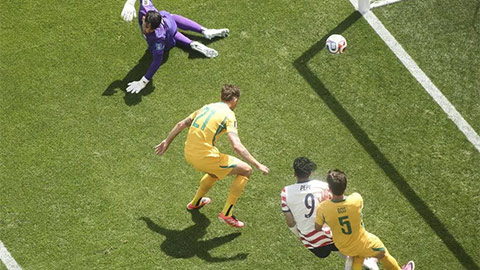
The 2026 World Cup has already delivered a statistical anomaly: after just 35 matches, eight own goals have been scored—four times the total from the entire 2022 tournament. The surge isn’t just bad luck; it reflects a tactical revolution in modern football, where high-speed counterattacks and precision cross-field passes have turned defenders into accidental scorers. The U.S. has benefited most, with two consecutive wins built on opponent mistakes, while teams like Saudi Arabia and Egypt have fallen victim to the “death corridor” between goalkeeper and center-back. Experts point to a shift from traditional long crosses to rapid, low crosses that leave defenders with split-second decisions—and often, disastrous outcomes.
How the U.S. Became the First Team to Win Two World Cup Games on Own Goals
No team has ever won two World Cup matches in a row thanks to opponent own goals—and the U.S. did it twice in its first two games. In a 4-1 victory over Paraguay, Damian Bobadilla’s clumsy clearance found the back of his own net, giving the Americans an early lead. Then, in a 2-0 win over Australia, Cameron Burgess repeated the mistake, this time with a cross that bounced off his shin into the goal. “It’s not just luck,” said a tactical analyst from BongdaPlus, noting that the U.S. has mastered exploiting the “death corridor”—the narrow space between goalkeeper and defender where low crosses become nearly impossible to clear.

What makes this even more striking is the context: the U.S. is the first team in World Cup history to win two games in a row on own goals. Historically, such moments were rare outliers—like the 2002 World Cup, where only two own goals were recorded in the entire tournament. But in 2026, the trend has exploded, with Tiền Phong reporting that eight own goals have already occurred—more than triple the total from 2022.
The Tactical Shift: Why Defenders Are Struggling More Than Ever
The rise in own goals isn’t just about clumsy defenders—it’s a direct result of how teams attack today. Gone are the days of David Beckham-style long crosses from deep. Modern football favors rapid, low crosses from the wings, forcing defenders to sprint backward at full speed to intercept. “When a ball is whipped into the box at 80 mph, defenders have less than a second to react,” explained a football analyst in Dân Việt. “A slight misstep, a delayed reaction, and suddenly you’re looking at a goal.”

Take the case of Hassan Tambakti, Saudi Arabia’s defender, who became the latest victim of this trend. After a botched clearance, the ball ricocheted off his teammate and into his own net, handing Spain a 4-1 lead. Similarly, Mohamed Hany of Egypt’s own goal in the team’s 2-1 loss to Belgium was initially misattributed to Romelu Lukaku—until replays showed the ball had bounced off Hany’s foot first. These aren’t isolated incidents; they’re part of a broader pattern where defenders, trained to be more technically proficient, are now more likely to make high-pressure mistakes.
Even the Premier League, once known for its defensive solidity, has seen a dramatic increase in own goals. According to 24h Sports, the 2009-10 season saw a record 53 own goals in just 38 matches—a figure that has since been matched or exceeded in multiple seasons. The trend isn’t limited to Europe; it’s global, and the World Cup is just the latest stage for this tactical arms race.
The “Death Corridor” and Why Defenders Are Trapped
At the heart of the own-goal epidemic is what analysts call the “death corridor”—the narrow strip of space between the goalkeeper and the center-back, roughly 5 meters wide. When a cross is whipped into this zone at speed, defenders have no time to adjust their bodies. “It’s like trying to stop a bullet with your hands,” said a former professional defender quoted in VnExpress. “You either block it perfectly or you’re looking at a goal.”
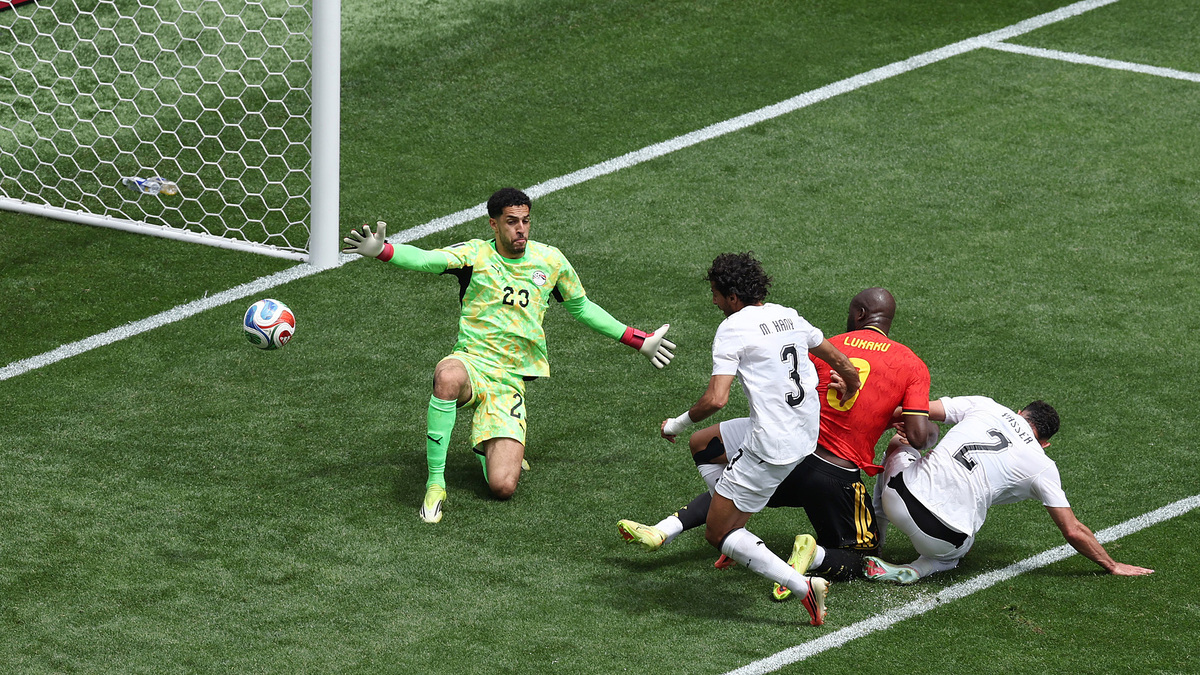
The data backs this up. In the first 35 matches of World Cup 2026, at least half of the own goals have come from crosses or through balls in this exact zone. The rest—like Tambakti’s ricochet—are the result of defenders being caught off-guard by the speed and angle of the attack. Even teams with elite defenders, like Saudi Arabia and Egypt, have fallen victim to this tactic, proving that no defense is immune.
What’s more concerning for defenders is that this trend isn’t going away. As BongdaPlus notes, the shift toward faster, more direct attacks means defenders will continue to face these high-pressure situations. The question now is whether teams can adapt—or if own goals will remain a defining feature of modern football.
What Happens Next? Will Own Goals Keep Rising?
The early stages of World Cup 2026 suggest that own goals are here to stay—and they could get even worse. With 48 teams competing this year (compared to 32 in 2022), the number of matches has doubled, meaning more opportunities for these mistakes to happen. If the trend continues, we could see a record number of own goals by the final.
For teams, this means two things: first, they must train defenders to handle these high-speed situations better. Second, they need to exploit the trend—just as the U.S. has done. The data shows that teams attacking the “death corridor” with precision crosses are the ones benefiting most. If more teams adopt this strategy, we could see even more own goals in the coming weeks.
One thing is certain: the 2026 World Cup will be remembered not just for its goals, but for the ones that came from the wrong side. And if the early matches are any indication, this trend is far from over.
Find more reporting in our Sport section.
