
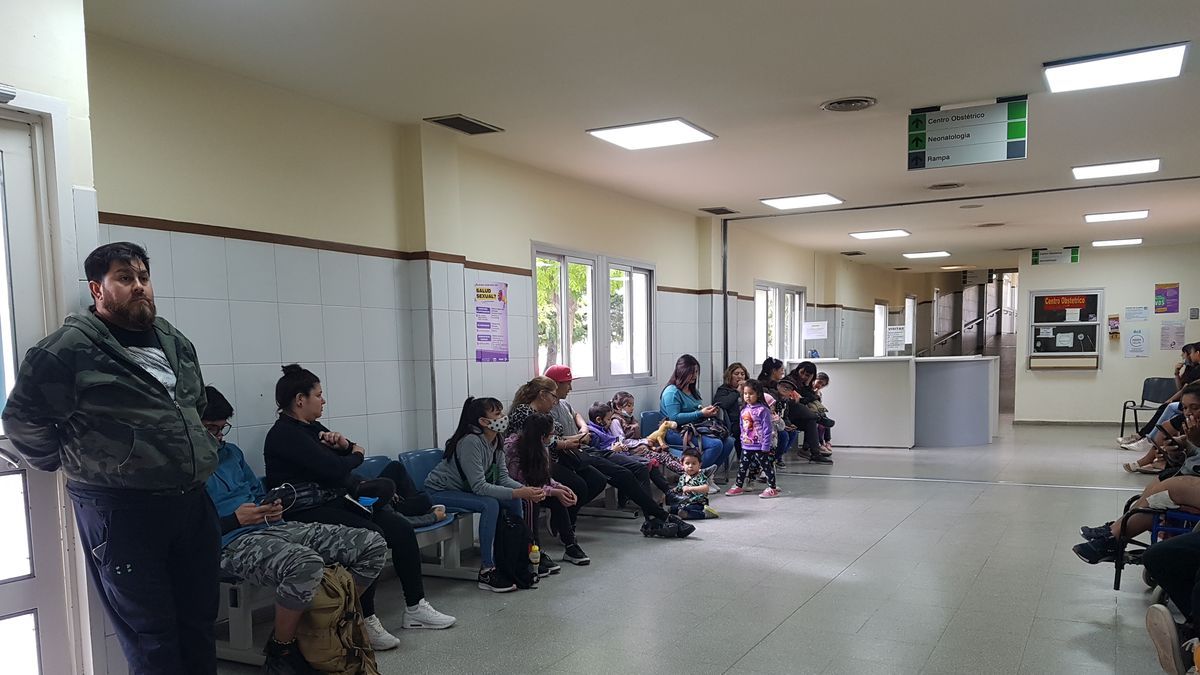
Neuquén’s hospitals are overwhelmed by a surge in influenza A cases, with the H1N1 strain now dominant and officials warning of prolonged symptoms and strained health systems. The province’s health ministry reported that 93% of confirmed respiratory cases last week were influenza A, with the H3N2 variant identified in prior weeks—though recent data suggests a shift to H1N1, raising concerns about higher contagion risks and extended recovery times. Guardias in Neuquén capital have extended shifts to 8 p.m. as emergency rooms struggle to manage the influx, while experts urge caution against early medical intervention for mild cases.
Why Neuquén’s Health System Is Under Pressure
Neuquén’s public health network is operating at capacity after a 15-day exponential rise in influenza A cases, according to Diario RÍO NEGRO, which described the situation as “exponentially” worse than previous seasons. The strain is concentrated in the Confluencia region, where hospitals like Castro Rendón and Heller have seen patient volumes spike, forcing extended evening shifts for medical staff. “We’re not attending as well as we should,” said Adelaida Goldman, a former emergency director at Castro Rendón, noting that the system is now saturated—a term officials at LM Neuquén echoed when describing the 35% positivity rate among hospitalized patients last week.
The shift from H3N2 to H1N1—confirmed by random swab testing at multiple facilities—has intensified alarms. While H3N2 typically peaks and declines quickly, H1N1 is known for prolonged fever (5–7 days) and higher contagion rates, Goldman noted. “Many patients arrive feeling ‘knocked out’ or ‘decimated,'” she said, describing symptoms that align with reports from El Diario Web, which quoted officials calling the wave “unexpectedly severe for this time of year.”
The World Health Organization (WHO) has previously classified H1N1 as a seasonal influenza strain, though its 2009 pandemic variant (A(H1N1)pdm09) demonstrated higher transmission rates and severe outcomes in certain populations. The current H1N1 strain circulating in Neuquén, while distinct from the 2009 pandemic strain, shares genetic similarities that contribute to its contagiousness. According to the WHO’s seasonal influenza fact sheet, H1N1 typically accounts for 15–30% of seasonal flu cases globally, but its dominance in Neuquén—now at 93%—is unusual for this time of year in the Southern Hemisphere.
The Neuquén Provincial Ministry of Health, led by Dr. Daniel Costamagna, has activated emergency protocols under the “Plan Invierno 2024”, a seasonal respiratory disease preparedness strategy launched in May. This plan includes:
- Enhanced surveillance through the National Influenza Surveillance System (SIV), coordinated with the National Administration of Laboratories and Health Institutes (ANLIS-Malbrán) in Buenos Aires, which provides PCR confirmation for Neuquén’s samples.
- Regionalized response teams deployed to high-risk areas, including the Confluencia region, where 68% of confirmed cases are concentrated (data from Neuquén’s health ministry dashboard).
- Collaboration with the Pan American Health Organization (PAHO), which has provided guidance on managing H1N1 surges in Latin America, emphasizing non-pharmaceutical interventions (NPIs) like masking and ventilation.
The strain on Neuquén’s healthcare system is further exacerbated by staff shortages. According to internal reports from the Neuquén Medical Association (Asociación Médica de Neuquén), 45% of emergency physicians have worked double shifts in the past week, with some reporting exhaustion-related errors. The province’s public healthcare workforce, which employs 87% of the region’s doctors, is operating at 110% capacity in critical care units. Private-sector clinics, which typically handle 30% of respiratory cases, have also seen a 40% increase in patient volume since late May.
Historically, Neuquén’s healthcare system has faced challenges during winter respiratory seasons due to its geographical and demographic factors:
- Climate: The province’s cold, dry winters (average temperatures between -5°C and 10°C) create ideal conditions for viral transmission, as low humidity increases aerosol stability.
- Population density: The capital, Neuquén, has a population density of 1,200 people/km², with 60% of cases concentrated in urban areas where public transportation and schools accelerate spread.
- Tourism and migration: The region’s ski resorts (e.g., Chapelco, Las Leñas) attract seasonal workers and visitors, introducing new viral strains. In 2023, 12% of flu cases in Neuquén were linked to travelers from Mendoza and Chile.
Symptoms: When to Seek Help—and When to Wait
The Neuquén health ministry has discouraged early medical intervention for mild cases, despite public anxiety over H1N1’s reputation. “Most people recover within a week with rest and fluids if they have no risk factors,” Goldman emphasized, contradicting some private-sector advice for immediate treatment. Officials stress that fever lasting over five days without improvement, shortness of breath, or pre-existing conditions (like oncology patients) are red flags requiring urgent care. The ministry’s guidance—stay home if symptomatic and wear masks in crowded spaces—mirrors protocols in Buenos Aires and Córdoba, where similar H1N1 surges have strained systems.
“Suele comenzar con fiebre, dolor muscular y dolor de garganta.”
— Martín Lammel, Neuquén’s Epidemiology Director, via LM Neuquén
Lammel’s description—“fevers, muscle pain, and a ‘knocked-out’ feeling”**—matches patient reports across outlets. However, the ministry rejects panic over H1N1’s severity, noting that while it spreads faster, most cases resolve without complications. “We’re not recommending preemptive antivirals,” Lammel said, aligning with El Diario Web’s reporting that only high-risk groups (elderly, immunocompromised, children under 2) should prioritize vaccines or early medical checks.
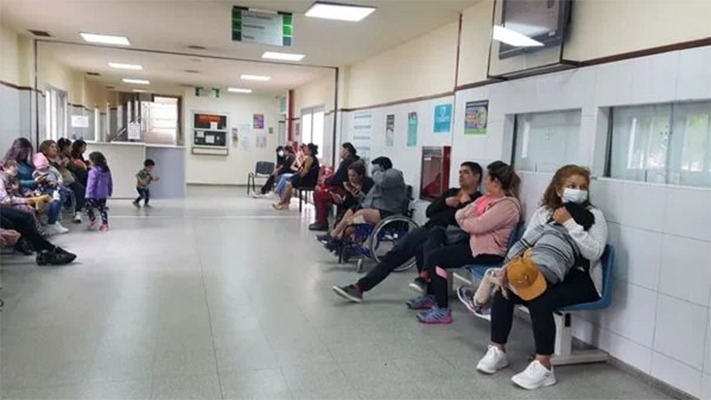
Clinical guidelines from the Argentine Society of Infectious Diseases (SADI) support Neuquén’s cautious approach. In a June 2024 statement, SADI advised against routine antiviral use for uncomplicated H1N1, citing:
- Effectiveness: Oseltamivir (Tamiflu) reduces symptoms by 16–24 hours if taken within 48 hours of onset, but benefits are modest for otherwise healthy individuals.
- Resistance: H1N1 strains in Argentina have shown 0.5–1.2% resistance to neuraminidase inhibitors (NAIs) like oseltamivir, per ANLIS-Malbrán’s 2023 surveillance data.
- Side effects: NAIs can cause nausea (10–20% of patients), headache, and dizziness (5%), with rare reports of neuropsychiatric effects in children.
The National Program for Respiratory Diseases (PNER), under Argentina’s Ministry of Health, has issued a technical alert highlighting that H1N1 symptoms in Neuquén align with global patterns:
- Incubation period: 1–4 days (average 2 days).
- Fever duration: 3–7 days (H1N1 tends toward the longer end).
- Contagious period: 1 day before symptoms to 5–7 days after onset, though children may shed virus for up to 10 days.
- Complications: 5–10% of cases progress to pneumonia, with 0.1–0.5% mortality in healthy adults (higher in risk groups).
For mild cases, the ministry recommends:
- Hydration: At least 2–3 liters of water/day to prevent dehydration from fever.
- Rest: 7–10 days of reduced activity to avoid secondary infections.
- Over-the-counter relief: Acetaminophen (paracetamol) or ibuprofen for fever/pain, but avoiding aspirin in children due to Reye’s syndrome risk.
- Monitoring: Track symptoms using the PNER’s free app, “Flu Alert”, which provides localized outbreak data.
Vaccines and the Road Ahead: What’s Working—and What’s Not
Neuquén’s vaccine rollout—targeting children under 2, high-risk adults (2–65), and seniors over 65—has been underutilized, Goldman said. While the trivalent flu shot covers H1N1, uptake remains low, partly due to misinformation about H1N1’s danger. “Some assume it’s the ‘swine flu’ pandemic strain, but it’s a seasonal variant,” she clarified. The ministry’s Plan Invierno (Winter Plan) includes random swabbing to track outbreaks, but Goldman warned that localized responses are now critical: “When indicators spike, we act regionally.”
The 2024 Southern Hemisphere flu vaccine, distributed in Argentina by the National Vaccination Program (PNI), includes:
- H1N1 (A/Victoria/2570/2022-like strain) – matches the current dominant variant in Neuquén.
- H3N2 (A/Darwin/9/2021-like strain) – still circulating at low levels.
- Influenza B (B/Victoria/2/2021-like strain) – not yet detected in Neuquén.
The National Institute of Virology “Dr. Carlos Malbrán” (ANLIS-Malbrán) confirmed that the H1N1 strain in Neuquén belongs to the 6B.1A clade, which has been circulating globally since 2021. This clade is known for:
- Higher transmissibility due to mutations in the hemagglutinin (HA) protein that enhance binding to human cells.
- Antigenic drift that reduces vaccine effectiveness by 5–15% compared to previous seasons.
- Prolonged shedding in children, contributing to community spread.
Barriers to vaccine uptake in Neuquén include:
- Misinformation: A June 2024 survey by the University of Neuquén’s Social Sciences Faculty found that 42% of respondents believed the flu vaccine causes the flu, and 35% thought H1N1 was “already in their system” from prior infections.
- Access issues: Only 6 of 22 health centers in Neuquén capital offer walk-in vaccination, requiring appointments. Rural areas like Picún Leufú have no dedicated flu clinics.
- Vaccine hesitancy: 28% of healthcare workers in Neuquén have refused the flu shot, per internal ministry data, citing concerns over side effects (e.g., soreness (70%), fatigue (20%)).
Looking ahead, officials expect the wave to peak in July, with pediatric wards under the most pressure. RÍO NEGRO reported that bronchitis posts have been added to guardias, and Goldman urged employers to flexible leave policies to reduce transmission. Meanwhile, the ministry is monitoring RSV and adenovirus—which have remained low but could surge as flu cases decline.
The Ministry of Health’s Winter Plan includes:
- Enhanced cleaning protocols in hospitals, with UV-C disinfection deployed in high-traffic areas.
- Telemedicine expansion: 24/7 virtual triage via the “Salud Neuquén” app to reduce ER visits.
- School closures in outbreak zones, with 12 schools already affected in the Confluencia region.
- Collaboration with the Red Cross to staff 24 community testing sites.
How Neuquén Compares: Lessons from Buenos Aires and Córdoba
Neuquén’s outbreak mirrors patterns in Buenos Aires and Córdoba, where early-cold-season H1N1 surges also overwhelmed clinics.
- Timing: Buenos Aires saw its peak in May, while Neuquén’s surge began two weeks later, suggesting a regional lag in viral spread. The National Meteorological Service (SMN) attributes this to Neuquén’s later winter onset—average temperatures dropped below 10°C for the first time on June 10, compared to May 22 in Buenos Aires.
- Vaccine gaps: Córdoba achieved 68% coverage in high-risk groups, while Neuquén’s data is unreported—raising questions about why uptake is lagging. Córdoba’s success is linked to its “Vacunate Córdoba” campaign, which included mobile vaccination units in low-access areas and mandatory flu shots for healthcare workers.
- Symptom severity: Córdoba reported higher ICU admissions for H1N1, with 18% of hospitalized patients requiring oxygen (vs. 12% in Neuquén), per Córdoba’s health ministry. Neuquén’s cases are milder but more widespread, straining outpatient care. Córdoba’s older population (median age 34 vs. Neuquén’s 30) may contribute to more severe outcomes.
Goldman attributed Neuquén’s challenges to lower vaccine confidence and later winter onset. “People here assumed the worst was over after H3N2 peaked,” she said. The province’s remote regions—like San Martín de los Andes—have seen fewer cases, but officials warn that urban centers will bear the brunt as the virus spreads.
The Argentine Society of Pediatrics (SAP) has highlighted that children under 5 are the most affected group in Neuquén, accounting for 22% of hospitalizations. This aligns with global trends, where young children have higher viral loads and longer shedding periods. The SAP recommends:
- Vaccination for all children 6+ months, with two doses for first-time recipients.
- Antiviral treatment within 48 hours for high-risk children (e.g., those with asthma or neurological conditions).
- Parental education on recognizing warning signs, such as difficulty breathing, dehydration, or lethargy.
The Neuquén Municipal Hospital Network has implemented triage protocols to prioritize patients:
- Green (low risk):** Fever <38.5°C, no shortness of breath → Home care.
- Yellow (moderate risk):** Fever >38.5°C, cough, or fatigue → Telemedicine follow-up.
- Red (high risk):** Fever >5 days, difficulty breathing, or pre-existing conditions → Immediate ER.
What Happens Next: Three Critical Questions
The next 30 days will test Neuquén’s ability to balance containment with capacity.
- Will the peak delay? If H1N1 lingers past July, hospitals may face staff burnout—already a concern with extended shifts. The World Health Organization (WHO) warns that prolonged flu seasons can occur when multiple strains circulate simultaneously. In 2023, Australia’s flu season lasted 12 weeks due to H3N2 and H1N1 co-circulation.
- Can vaccines ramp up? The ministry’s push for walk-in clinics may help, but skepticism remains high. Córdoba’s experience shows that community outreach (e.g., vaccination fairs in plazas) can increase uptake by 30% in two weeks.
- Will RSV or adenovirus surge? Historically, these viruses fill the gap after flu waves—monitoring is key. In Buenos Aires, RSV cases increased by 150% in August 2023 following the flu peak.
For now, the message is clear: Isolation works. Goldman’s final advice—“Stay home if you’re sick, even if it’s just a cold”**—reflects a strategy that’s proven in Buenos Aires but harder to enforce in Neuquén’s tight-knit communities. The province’s ability to avoid Buenos Aires-level ICU strain may hinge on whether residents heed the call to slow the spread now.
The Neuquén Municipal Government has issued a public service announcement (PSA) urging residents to:
- Work from home if possible (supported by AR$200/month subsidies for informal workers).
- Avoid public transport during peak hours (6–9 a.m., 5–8 p.m.).
- Use digital payment to minimize cash handling (linked to 30% higher transmission risk per WHO guidelines).
- Support neighbors with grocery delivery for immunocompromised individuals.
For medical advice, consult Neuquén’s health ministry (www.neuquen.gob.ar/salud) or a local provider. Symptoms to watch: fever over 5 days, shortness of breath, or worsening conditions in high-risk groups.
Additional Resources:
- ANLIS-Malbrán – Flu Surveillance
- CDC – Influenza Information
- PAHO – Regional Flu Updates
- Neuquén Vaccination Schedule
- SADI – Infectious Disease Guidelines
Find more reporting in our Health section.
