

The 2026 World Cup’s 11th day delivered surprises, near-misses, and a potential storm threat that could reshape the tournament’s schedule. While Germany and Japan secured commanding wins, France’s match against Iraq now hangs in the balance as extreme heat and storms loom over Philadelphia.
France’s Match in Jeopardy as Heat and Storms Threaten Delay
France’s highly anticipated clash with Iraq on June 23 now faces uncertainty after meteorologists warned of extreme conditions in Philadelphia. Temperatures are expected to hit 33°C (91°F) with heavy thunderstorms, raising the possibility of a postponement or temporary halt to the game. The World Cup organizers have not yet confirmed a backup plan, but such disruptions would mark the first major weather-related alteration of the tournament.
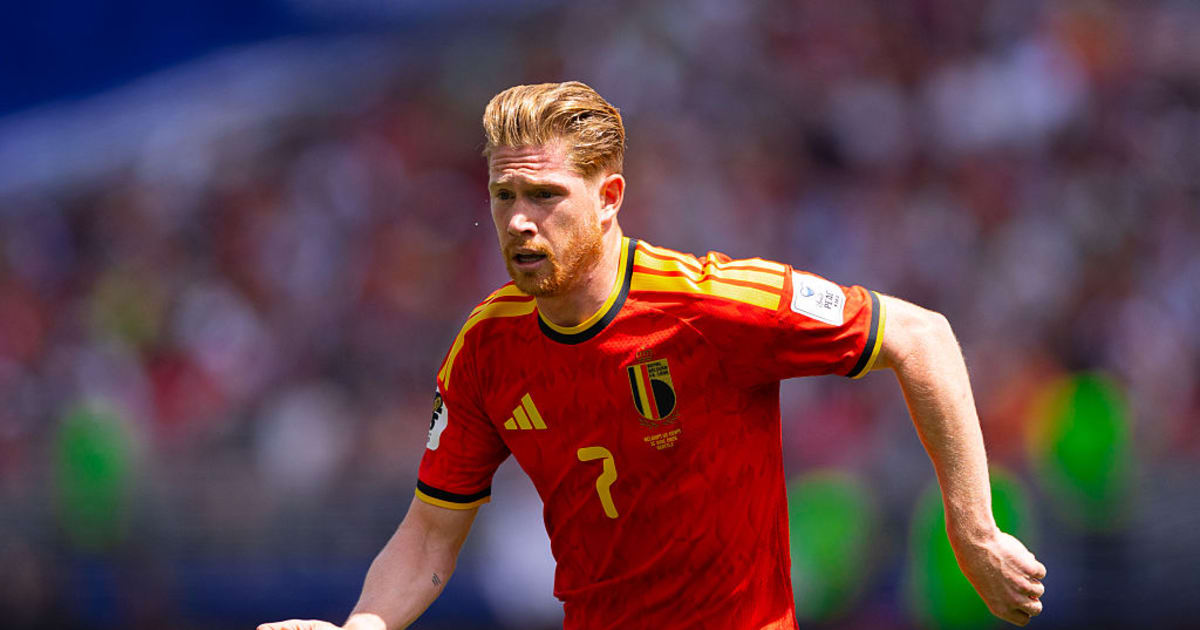
This isn’t France’s first weather-related headache. The team arrived in the U.S. after a grueling transatlantic journey, and their preparation has been complicated by logistical challenges—including delayed flights and last-minute adjustments to their training schedules. A postponement would force Les Bleus to scramble for recovery time before their next match, potentially against Denmark on June 27.
Germany and Japan Dominate as Others Struggle
While France’s fate remains uncertain, Germany and Japan delivered dominant performances on Sunday. Germany crushed Côte d’Ivoire 2-1 in Toronto, securing their place in the knockout round of Group E. The win ensures Germany will advance regardless of their final group-stage result, a rare guarantee for a team that has often relied on defensive resilience rather than offensive firepower.

Japan, meanwhile, thrashed Tunisia 4-0 in Monterrey, extending their unbeaten run in the tournament. The victory not only solidified Japan’s top spot in Group F but also sent a clear message to their remaining opponents: Sweden and the Netherlands. With Tunisia now mathematically eliminated, the focus shifts to the final group match on June 25, where Japan will face Sweden in a potential playoff decider.
Tunisia’s collapse—already reeling from a 5-1 loss to Sweden—was sealed by their sudden coaching change. After the Sweden defeat, the federation sacked head coach Sabri Lamouchi and replaced him with Hervé Renard, a veteran of the 2018 World Cup. The move was unprecedented in World Cup history, but it came too late to salvage Tunisia’s campaign. Renard’s first match in charge will be against the Netherlands on June 25—a game that now feels like a formality.
The Underdog Story: Curaçao’s Resilience and the Battle for Survival
Amid the giants, Curaçao—making their World Cup debut—delivered one of the tournament’s most unexpected results. The Caribbean nation drew 0-0 with Ecuador, a result that kept their slim hopes of advancing alive. Curaçao’s goalkeeper, Eloy Room, became the first player in World Cup history to record 15 saves in a single match’s regular time, a statistic that underscores their defensive grit.
The match was a microcosm of the group’s chaos. Ecuador, who had lost to Côte d’Ivoire in their opener, needed a win to stay in the race. Instead, they settled for a draw, leaving their fate in the hands of their final group game against Germany. Curaçao, meanwhile, now face a brutal test against Côte d’Ivoire on June 25—a team that has already knocked them out of the running for the knockout stage. But for one day, they defied expectations.
Spain’s Crisis Deepens as Saudi Arabia Stuns
Spain’s World Cup campaign continues to unravel. After a shock 1-1 draw with Cape Verde in their opener, La Roja now face Saudi Arabia in a match that could determine whether they even qualify for the knockout stage. Analytical models suggest Spain have an 87.4% chance of winning, but the reality on the pitch has been far less predictable. Saudi Arabia, often dismissed as a paper tiger, have already stunned Uruguay with a hard-fought draw, proving they are far from pushovers.
Spain’s issues extend beyond results. Injuries to key players like Rodri and Pedri have forced manager Luis de la Fuente to shuffle his squad, while tactical inconsistencies have left the team looking disjointed. A win against Saudi Arabia is not just about points—it’s about confidence. If Spain fail to secure at least a draw, their World Cup dream could end before the knockout stage, a humiliation that would echo their 2022 exit in the group phase.
What Happens Next: The Critical Matches of June 25
The next round of matches on June 25 could reshape the tournament’s narrative.
- Germany vs. Ecuador (Group E): Germany’s already advanced, but Ecuador needs a win to keep their playoff hopes alive. A loss would effectively end their campaign.
- Japan vs. Sweden (Group F): The winner secures first place and a favorable path to the knockout stage. Sweden, who have already beaten Tunisia and the Netherlands, will need a win to avoid a potential playoff showdown.
- Netherlands vs. Tunisia (Group F): A formality, but the Netherlands will be testing new players ahead of their knockout-stage match.
- Spain vs. Saudi Arabia (Group D): Spain’s survival hinges on this game. A draw might not be enough if other results go against them.
- Belgium vs. Iran (Group H): Both teams are fighting for their lives. Belgium, who barely escaped Egypt, need a win to stay in the race.
Beyond the results, the bigger story is the tournament’s unpredictability. Teams once considered sure bets—Spain, France, even Germany—now face existential threats. Meanwhile, underdogs like Curaçao and Saudi Arabia have punched above their weight, proving that in 2026, no team is immune to surprises.
The next 48 hours will tell whether the World Cup’s early chaos gives way to clarity—or if more shocks are on the horizon.
Find more reporting in our Sport section.
