
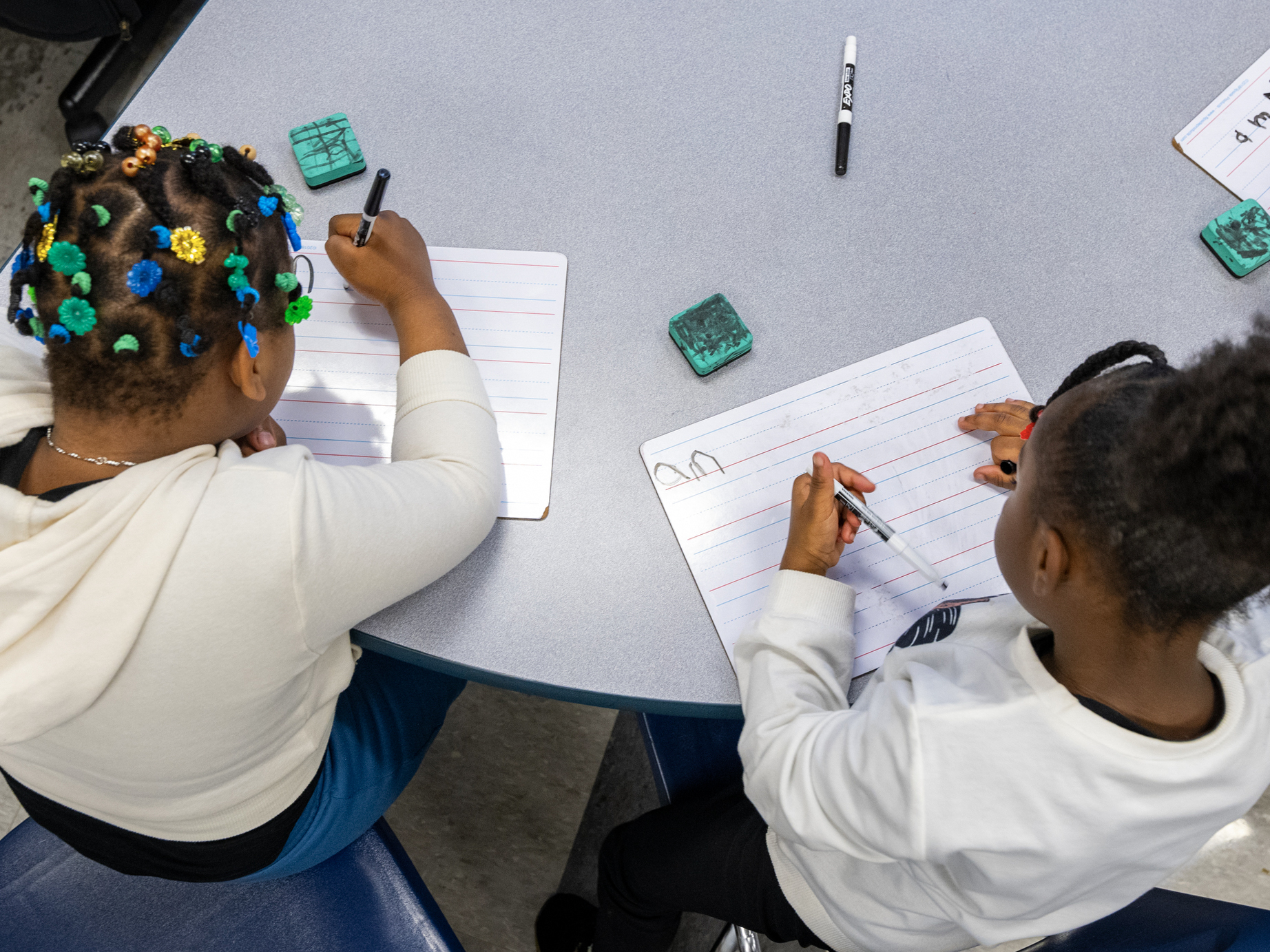
Are pre-K programs facing a crisis, or an prospect for innovation? As funding models shift and teh demand for early childhood education grows, understanding the key trends and challenges facing pre-K is more vital than ever. This article dives deep into the evolving landscape of pre-K, offering crucial insights and actionable strategies for educators, policymakers, and parents alike.
The future of Pre-K: Trends and Challenges in Early Childhood Education
Table of Contents
The recent changes to Indianapolis Public Schools’ (IPS) pre-K program, with the introduction of a sliding payment scale, highlight a critical juncture in early childhood education. This shift, driven by financial constraints and legislative changes, mirrors broader trends impacting pre-K programs nationwide. Let’s delve into the potential future of pre-K, exploring the challenges and opportunities that lie ahead.
One of the primary drivers behind the changes in IPS’s pre-K program is the evolving landscape of funding.The loss of federal funds and the limitations on state voucher programs have created a financial squeeze. This is not unique to Indianapolis. Across the country, pre-K programs are grappling with similar issues, forcing difficult decisions about access and affordability.
Real-Life Example: In California, the state is investing heavily in expanding access to transitional kindergarten (TK), but the costs are substantial. Districts are exploring innovative funding models, including public-private partnerships and local tax initiatives, to sustain these programs.
Pro Tip: stay informed about local and state funding initiatives. Advocate for policies that prioritize early childhood education and support sustainable funding models.
The Equity Imperative: Ensuring Access for All
The shift towards a sliding payment scale raises concerns about equity. While IPS aims to protect access for low-income families, the reality is that any cost can be a barrier. The goal of universal pre-K, where all children have access regardless of income, is gaining momentum, but it faces meaningful hurdles.
Case Study: New York City’s universal pre-K program has been a success story,but it has also faced challenges in terms of quality and equitable distribution of resources. The city is constantly working to improve the program and ensure that all children, regardless of their background, benefit from it.
Did you know? Research consistently shows that high-quality pre-K programs can considerably improve children’s readiness for kindergarten,leading to better academic outcomes and long-term success.
The Quality Question: Maintaining High Standards
As pre-K programs expand, maintaining quality becomes paramount. This includes ensuring qualified teachers, age-appropriate curricula, and supportive learning environments. The IPS program, like many others, must balance the need for affordability with the imperative of providing a high-quality educational experience.
Data Point: Studies show that children who attend high-quality pre-K programs are more likely to graduate from high school, attend collage, and have higher lifetime earnings.
Pro Tip: Support programs that invest in teacher training and professional development. Advocate for policies that promote high-quality standards and accountability.
The Role of Innovation: Exploring New Models
The future of pre-K may involve innovative approaches to delivery and funding. This could include blended learning models, partnerships with community organizations, and the use of technology to enhance the learning experience.
example: Some districts are experimenting with mobile pre-K units that bring early childhood education directly to underserved communities. Others are leveraging technology to provide virtual learning opportunities and personalized instruction.
The Political Landscape: Advocacy and Policy Change
The future of pre-K is inextricably linked to the political landscape. advocates for early childhood education must continue to push for policies that prioritize funding,access,and quality. This includes lobbying for state and federal funding, supporting local initiatives, and educating policymakers about the importance of pre-K.
Reader question: What role can parents and community members play in advocating for high-quality pre-K programs?
Frequently Asked Questions
- What is universal pre-K? A system where all children have access to pre-K, regardless of income.
- Why is pre-K important? It prepares children for kindergarten and improves long-term outcomes.
- How can I support pre-K in my community? Advocate for funding,support local programs,and educate others.
The challenges facing pre-K programs are significant, but so are the opportunities.By addressing funding issues, prioritizing equity, maintaining quality, embracing innovation, and advocating for policy change, we can ensure that all children have the chance to thrive.
Ready to take action? Share your thoughts in the comments below. What are your biggest concerns about the future of pre-K, and what solutions do you see? Let’s start a conversation!
