
How can technology safeguard the integrity of art in an age of increasing forgeries and disputes? This article delves into the future of art authentication, exploring the innovative trends and forensic technologies shaping how we verify artworks. From advanced imaging to material analysis, discover how these cutting-edge methods are becoming essential tools in the pursuit of art authentication and preservation.
“`html
The Future of Art Authentication: Trends and Technologies
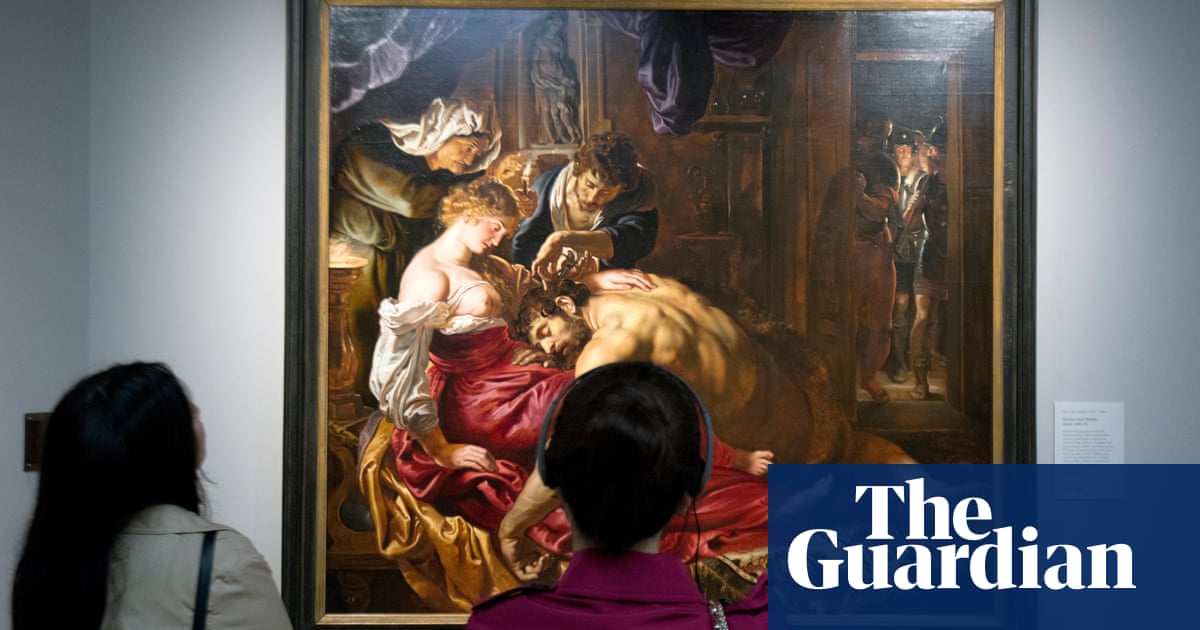
The art world is currently grappling with questions of authenticity, as seen in the ongoing debate surrounding the national Gallery’s “Samson and Delilah.” This case highlights the critical need for advanced methods to verify artworks. Let’s explore the potential future trends in art authentication, drawing on the lessons from this high-profile case.
The Rise of Forensic Analysis in Art
The “Samson and Delilah” controversy underscores the importance of examining the physical properties of a painting, including the panel’s composition and any alterations. In the future, we can expect to see a greater reliance on forensic techniques.
- Advanced Imaging: Techniques like X-ray fluorescence (XRF) and infrared reflectography will become standard. These methods can reveal hidden layers, underdrawings, and the composition of pigments, providing crucial clues about a painting’s history and origin.
- Material Analysis: Sophisticated analysis of materials, including the wood panel, canvas, and paint, will become more prevalent. This includes carbon dating of the wood, pigment analysis using mass spectrometry, and the identification of binding media.
Real-life example: The use of XRF analysis helped authenticate a previously disputed painting by
