
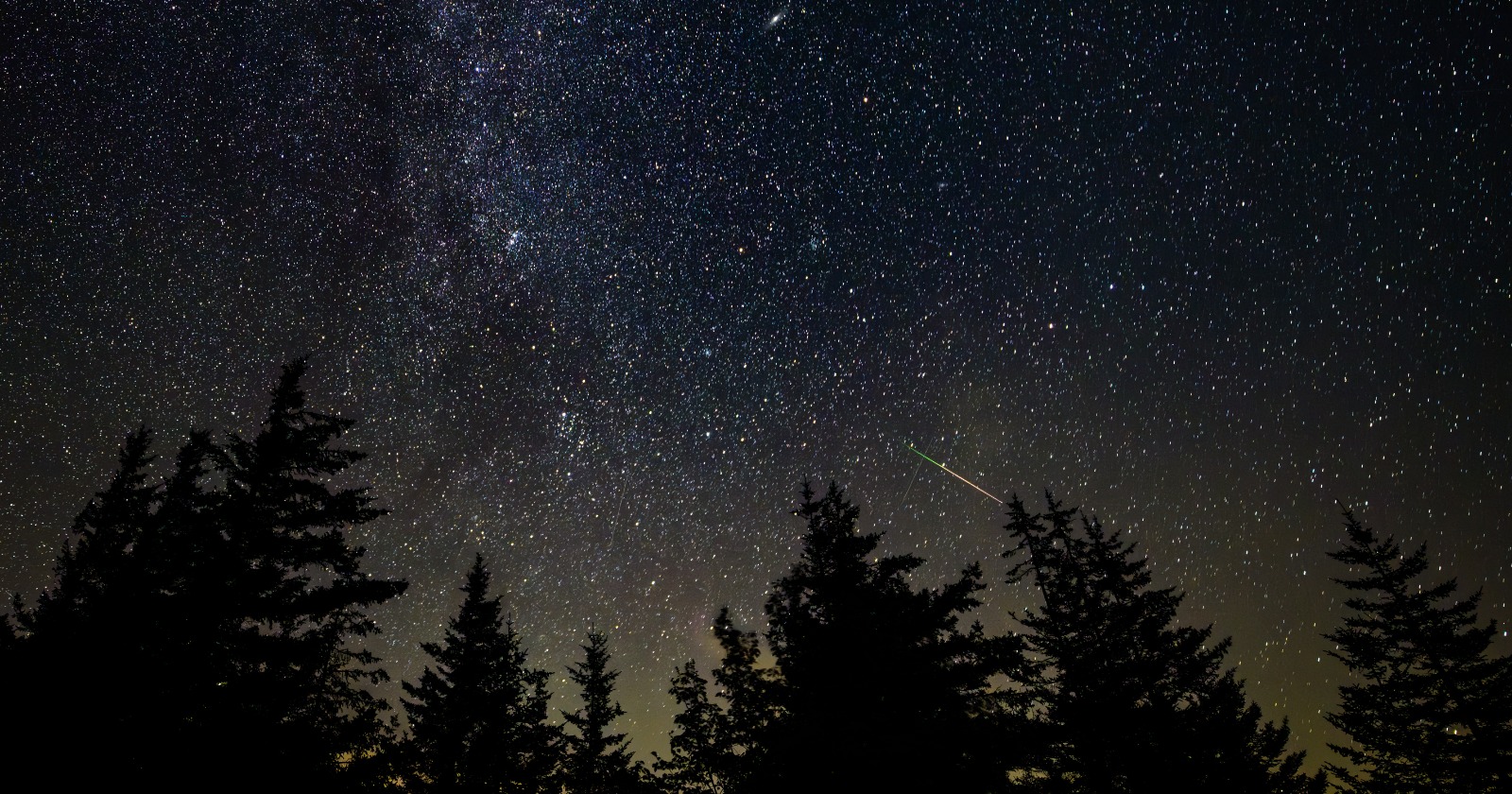
The June Bootids meteor shower, known for rare outbursts like the 1998 event, is forecast to be weak in 2026, with no significant activity expected, according to the International Meteor Organization. The shower, linked to comet 7P/Pons-Winnecke, typically produces few meteors annually, and 2026’s forecast aligns with its usual quiet pattern.
Historical Outbursts and the 1998 Anomaly
The June Bootids have a reputation for sporadic intensity. Notable displays occurred in 1998 and 2004, with the 1998 event standing out as a benchmark. On June 27, 1998, the shower peaked at nearly 100 meteors per hour, sustaining rates above 40 for over 12 hours. This rare spectacle, described as “a broad and sustained display,” contrasted sharply with the shower’s usual muted behavior. The 2004 return reached 50 meteors per hour, but subsequent years, such as 2010, saw negligible activity. The International Meteor Organization’s data underscores the shower’s unpredictable nature, with periods of dormancy lasting decades before sudden surges.
“The June Bootids are among the quietest showers, with rates spanning zero to over 100,” noted the organization, which tracks meteor activity. The 1998 event, however, defied expectations, earning the shower its lasting fame. “It was the kind of display normally associated with far more reliable showers,” a 1998 report observed, highlighting the shower’s capacity for unexpected intensity.
Why No Outburst is Forecast for 2026
For 2026, the IMO’s forecast is clear: no outburst is anticipated. The shower’s annual maximum, typically around June 22, is expected to yield minimal activity. This aligns with the comet 7P/Pons-Winnecke’s orbital pattern, which last passed the Sun in May 2021. As the comet sheds debris, Earth’s path through its dust trails has not aligned for a significant meteor display this year. “The models show no indication of an outburst,” a 2026 report stated, emphasizing the shower’s typical quietness.

The 2026 forecast contrasts with the 1998 and 2004 events, which relied on specific dust trail alignments. “The shower can sit dormant for a human lifetime and still deliver a memorable night,” a 2026 analysis noted. However, current data suggests 2026 will follow the pattern of most years, with rates near the lower end of the historical range.
June 2026: A Quiet Meteor Shower Amid Seasonal Events
While the June Bootids remain subdued, June 2026 is rich with other celestial and cultural events. The month includes the summer solstice on June 21, marking the longest day in the Northern Hemisphere, and the Strawberry Moon, a full moon named for its reddish hue. The Almanac highlighted June’s cultural significance, from Juneteenth to Father’s Day, but the meteor shower’s absence is a notable contrast.
“The June Bootids are rarely the focus of public attention,” a 2026 article observed. “Their rarity makes them a curiosity, but their unpredictability means observers must be prepared for both spectacle and silence.” The month’s other events, such as the Atlantic hurricane season’s start on June 1, underscore the season’s broader significance beyond meteor showers.
The Significance of June 21 in the Northern and Southern Hemispheres
June 21, the summer solstice in the Northern Hemisphere, also marks the winter solstice in the Southern Hemisphere. This dual significance highlights the month’s climatic extremes. The Almanac noted that the solstice “heralds the start of summer in the Northern Hemisphere,” while the Southern Hemisphere experiences its “shortest day.” These seasonal shifts intersect with the June Bootids’ orbital dynamics, though the shower’s weak 2026 performance means it will not dominate the month’s astronomical narrative.

Calendarr.com’s historical overview of June emphasized its role as the midpoint of the year, with cultural ties to the Roman goddess Juno. The month’s naming and traditions, rooted in ancient practices, provide a backdrop for modern astronomical events. “June has always been a time of transition,” a 2026 article remarked, “from seasonal shifts to celestial phenomena.”
What Comes Next for the June Bootids?
The June Bootids’ next potential outburst depends on comet 7P/Pons-Winnecke’s orbital cycle. With a period of 6.
Find more reporting in our Tech section.
