

Global smartwatch shipments grew 4% year-over-year in Q1 2026, led by Apple’s 21% surge in shipments and a 6% rise in average selling prices as consumers prioritized premium health-tracking features and AI capabilities. While Apple dominated with 23% market share, Huawei’s 40% grip on China’s market and government subsidies fueled a 15% YoY jump in shipments there—highlighting how regional policies and ecosystem integration are reshaping the industry’s growth dynamics.
Apple’s Dominance Driven by Affordable Premiumization and Regional Demand
Apple’s lead in the global smartwatch market isn’t just about volume—it’s about redefining what buyers expect. The company’s shipments surged 21% year-over-year in Q1 2026, reaching a 23% market share, according to Counterpoint Research. This marks a 21% growth from Q1 2025, with North America contributing over half of Apple’s total shipments. The company’s success hinges on two key factors: the introduction of the affordable Apple Watch SE 3, which attracted new buyers with its health upgrades, and the broader shift toward premium devices with advanced health monitoring.

How the Apple Watch SE 3 Expanded Market Reach with Health-Centric Features
The SE 3’s appeal lies in its balance of affordability and functionality. Analyst Anshika Jain from Counterpoint Research highlighted that the model’s "meaningful health upgrades"—including better sleep tracking, mood monitoring, and arrhythmia detection—have broadened Apple’s user base beyond its traditional premium segment. Meanwhile, the global average selling price (ASP) of smartwatches rose 6% YoY, driven by demand for AI capabilities and improved sensors in emerging markets like India, where consumers are upgrading from basic to advanced models.

China’s Smartwatch Boom: Huawei’s Ecosystem Strategy and Government Subsidies
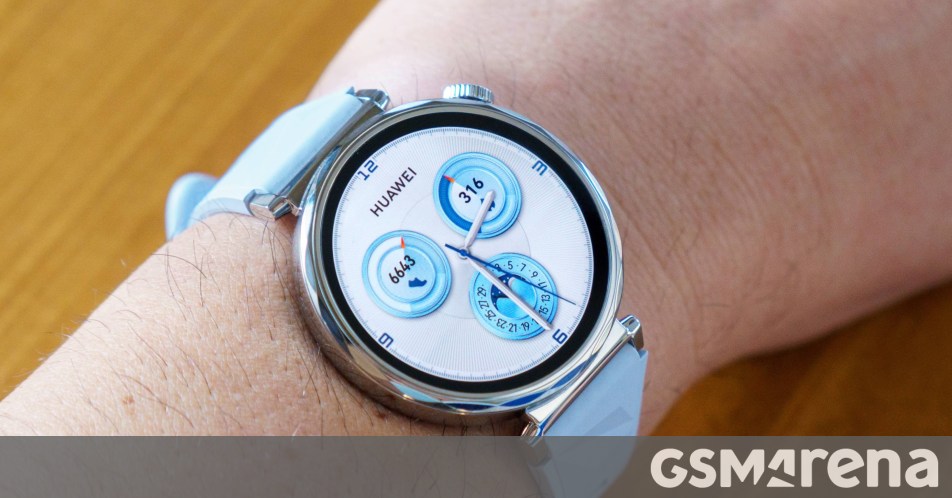
While Apple leads globally, China’s smartwatch market is a story of regional dominance and policy-driven growth. Shipments there jumped 15% YoY in Q1 2026, with Huawei commanding a staggering 40% market share, followed by Imoo and Xiaomi. The company’s success stems from three strategies: offering watches across price tiers, deep integration with its HarmonyOS ecosystem, and a focus on health features like sleep tracking, emotional wellbeing, and arrhythmia analysis. But the real catalyst? Government subsidies on electronics, which have accelerated upgrades and wider adoption.
Market Shifts: Premium Pricing Trends, Supply Chain Risks, and Brand-Specific Challenges
The 6% YoY increase in smartwatch ASPs in Q1 2026 reflects a broader trend: consumers are willing to pay more for advanced features. Counterpoint Research attributes this to two factors: the integration of improved sensors and AI capabilities for health monitoring, and the transition from basic to advanced smartwatches in emerging markets. The rise in ASPs is particularly notable because it contrasts with other consumer electronics segments, where memory shortages and macroeconomic pressures have squeezed margins.
For manufacturers, this is a double-edged sword. While premium pricing supports profitability, it also raises questions about affordability. Apple’s SE 3 addresses this partially, but the broader market may need more mid-tier options to sustain growth. Meanwhile, the smartwatch industry’s CAGR of 3% through 2030 suggests steady—but not explosive—growth, with premium segments acting as a buffer against supply chain disruptions.
The smartwatch market’s momentum isn’t guaranteed. Memory shortages and macroeconomic factors could dampen growth in 2026, though the impact is expected to be less severe than in other consumer electronics segments due to higher premium margins.
- AI and Health Tracking: The integration of AI capabilities and advanced sensors will continue to drive ASP growth, particularly in emerging markets where basic smartwatches are being replaced by more sophisticated models.
- Regional Policy Influence: Government subsidies, like China’s electronics incentives, will remain a wild card. Brands that align with local policies—whether through ecosystem integration or affordability—will gain an edge.
- Supply Chain Resilience: While memory shortages pose a risk, the smartwatch industry’s lower bill-of-materials costs compared to smartphones may mitigate disruption. However, any prolonged supply crunch could test premium pricing strategies.
For Apple, the challenge is sustaining its growth beyond the SE 3’s initial success. Huawei’s dominance in China suggests that ecosystem lock-in and policy alignment are critical for long-term market share. Meanwhile, Samsung’s decline serves as a cautionary tale about the risks of over-reliance on a single segment. The next quarter will reveal whether these trends hold—or if new disruptions emerge.
For readers tracking this space, the key takeaway is clear: the smartwatch market is no longer just about fitness tracking. It’s about AI-driven health insights, regional policy alignment, and the ability to balance premium pricing with accessibility. The brands that navigate these dynamics will define the industry’s trajectory through 2030—and beyond.
Find more reporting in our Tech section.
