
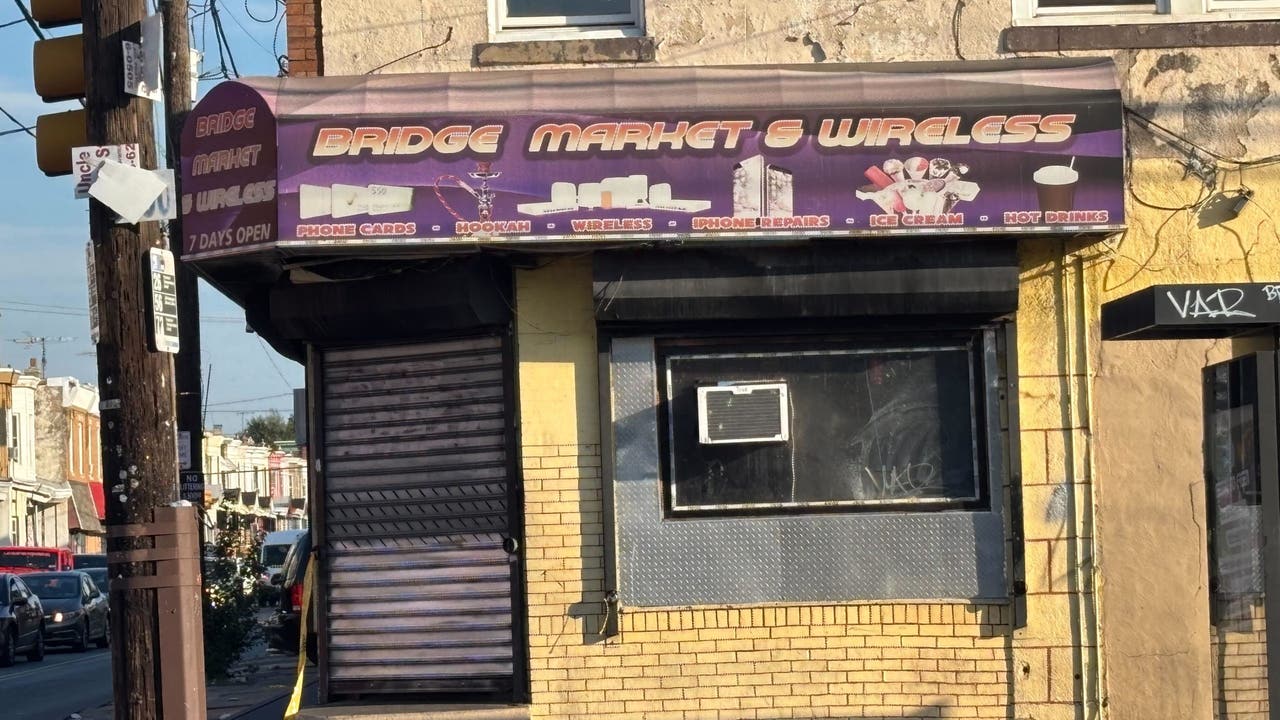
Considering recent troubling events, the future of retail safety demands innovative solutions to protect employees and customers alike. Discover emerging trends in retail crime prevention, from AI-powered surveillance to enhanced employee training, and learn how these advancements are shaping a safer shopping environment for everyone. Explore proactive strategies for creating a comprehensive retail safety plan that leverages technology, empowers your team, and fosters community partnerships.
“`html
The Future of Retail Safety: Trends and Predictions
Table of Contents
The recent shooting of a store clerk in Philadelphia, as reported by various news outlets [[1]], highlights a critical issue: the safety of retail workers. This incident, where an argument escalated to violence, underscores the need for proactive measures to protect employees and deter crime. Let’s explore the potential future trends in retail safety, drawing on current events and expert insights.
Enhanced Security Measures: Beyond the Basics
Traditional security measures, such as security cameras and alarm systems, are becoming increasingly complex. We’re seeing a rise in the adoption of advanced technologies:
- AI-Powered Surveillance: Artificial intelligence is being used to analyze video footage in real-time, identifying suspicious behavior, loitering, or potential threats. This allows for quicker responses and proactive intervention.
- Biometric Authentication: access control systems using fingerprint or facial recognition are becoming more common, restricting entry to authorized personnel only.
- Smart Security Windows and Doors: Bullet-resistant glass and reinforced doors are becoming standard in high-risk areas, providing an extra layer of protection for employees.
pro Tip: Retailers should consider investing in security systems that integrate with local law enforcement, allowing for immediate notification and response in case of an emergency.
the Role of technology in Crime Prevention
Technology is playing a pivotal role in preventing retail crime. Here are some key areas:
- Predictive Analytics: Analyzing historical crime data to identify high-risk times and locations, allowing for increased security presence during those periods.
- Remote Monitoring: Centralized security centers can monitor multiple locations together, providing real-time support and assistance to employees.
- Body-Worn Cameras: These cameras can deter potential offenders and provide valuable evidence in case of an incident.
Did you know? Some retailers are experimenting with drone surveillance to monitor large properties and respond to incidents more quickly.
Training and Employee Empowerment
Investing in employee training is crucial. This includes:
- De-escalation Techniques: Training employees on how to handle confrontational situations and de-escalate conflicts.
- Emergency Response Protocols: Ensuring employees know how to react in various emergency scenarios,including active shooter situations.
- Situational Awareness: Training employees to be aware of their surroundings and identify potential threats.
Community Partnerships and Collaboration
Building strong relationships with local law enforcement and community organizations is essential.This can involve:
- regular Interaction: Sharing information about crime trends and collaborating on prevention strategies.
- Community Watch programs: Encouraging community involvement in monitoring and reporting suspicious activity.
- Crime Prevention Workshops: Hosting workshops to educate employees and the community on safety measures.
The Future of Retail: A Safer Environment
The future of retail safety will likely involve a multi-faceted approach, combining advanced technology, employee training, and community partnerships. By proactively addressing these issues, retailers can create a safer environment for their employees and customers.
FAQ: Retail Safety
Q: What are the most effective security measures for retail stores?
A: A combination of AI-powered surveillance, access control, and well-trained employees is most effective.
Q: How can retailers prevent robberies?
A: Predictive analytics, remote monitoring, and body-worn cameras can definitely help deter and prevent robberies.
Q: What role does employee training play in retail safety?
A: Training in de-escalation, emergency response, and situational awareness is crucial for employee safety.
Q: How can retailers partner with the community to improve safety?
A: By collaborating with local law enforcement and community organizations,retailers can create a safer environment.
Q: What are the benefits of using AI in retail security?
A: AI can analyze video footage in real-time, identify suspicious behavior, and allow for quicker responses.
Q: Are there any new technologies that can definitely help prevent retail crime?
A: Yes, biometric authentication, smart security windows, and drone surveillance are some of the new technologies.
Q: What are the key elements of a complete retail safety plan?
A: A comprehensive plan includes advanced technology, employee training, and community partnerships.
Q: How can retailers protect their employees from violence?
A: by implementing enhanced security measures, providing de-escalation training, and fostering a safe work environment.
Q: What are the long-term trends in retail safety?
A: The long-term trends include increased use of AI, advanced security systems, and community collaboration.
Q: How can retailers stay informed about the latest safety measures?
A: By following industry publications, attending security conferences, and consulting with security experts.
Q: What are the most important things to consider when choosing a security system?
A: Consider the specific needs of your business, the level of protection required, and the integration capabilities of the system.
Q: How can retailers create a culture of safety?
A: By prioritizing employee training, promoting open communication, and fostering a sense of community.
Q: What are the legal considerations for implementing security measures?
A: Retailers must comply with all relevant privacy laws and regulations when implementing security measures.
Q: How can retailers measure the effectiveness of their security measures?
A: By tracking crime rates,monitoring employee feedback,and conducting regular security audits.
Q: What are the costs associated with implementing security measures?
A: Costs vary depending on the size and complexity of the security system, but the investment is crucial for employee safety.
Q: How can retailers balance security with customer experience?
A: By implementing security measures that are discreet and non-intrusive, while still providing a safe environment.
Q: What are the best practices for responding to a robbery?
A: Prioritize employee safety, cooperate with law enforcement, and preserve the crime scene.
Q: how can retailers prevent internal theft?
A: By implementing inventory control systems, conducting background checks, and providing employee training.
Q: What are the benefits of using body-worn cameras?
A: Body-worn cameras can deter potential offenders and provide valuable evidence in case of an incident.
Q: How can retailers protect their employees from verbal abuse?
A: By providing de-escalation training, establishing clear policies, and supporting employees who experience verbal abuse.
Q: What are the key elements of a security plan for a small business?
A: A security plan for a small business should include basic security measures, employee training, and community partnerships.
Q: How can retailers stay up-to-date on the latest security threats?
A: By following industry publications, attending security conferences, and consulting with security experts.
Q: What are the most common types of retail crime?
A: The most common types of retail crime include shoplifting, robbery, and employee theft.
Q: How can retailers create a safe environment for their employees?
A: By implementing enhanced security measures, providing de-escalation training, and fostering a safe work environment.
Q: What are the legal considerations for using surveillance cameras?
A: Retailers must comply with all relevant privacy laws and regulations when using surveillance cameras.
Q: How can retailers protect their employees from workplace violence?
A: By implementing enhanced security measures, providing de-escalation training, and fostering a safe work environment.
Q: What are the best practices for conducting a security audit?
A: A security audit should assess the effectiveness of existing security measures and identify areas for advancement.
Q: How can retailers prevent shoplifting?
A: By implementing security measures, providing employee training, and monitoring customer behavior.
Q: What are the benefits of using access control systems?
A: Access control systems can restrict entry to authorized personnel only and provide an extra layer of protection.
Q: How can retailers create a culture of security awareness?
A: By prioritizing employee training, promoting open communication, and fostering a sense of community.
Q: What are the key elements of a security plan for a large retail chain?
A: A security plan for a large retail chain should include advanced technology,employee training,and community partnerships.
Q: How can retailers protect their employees from cyber threats?
A: By implementing cybersecurity measures, providing employee training, and monitoring network activity.
Q: What are the best practices for responding to an active shooter situation?
A: Prioritize employee safety, follow established protocols, and cooperate with law enforcement.
Q: How can retailers prevent fraud?
A: by implementing fraud prevention measures, providing employee training, and monitoring transactions.
Q: What are the benefits of using biometric authentication?
A: Biometric authentication can restrict entry to authorized personnel only and provide an extra layer of protection.
Q: How can retailers create a safe environment for their customers?
A: By implementing enhanced security measures, providing employee training, and fostering a safe shopping environment.
Q: What are the legal considerations for using body-worn cameras?
A: Retailers must comply with all relevant privacy laws and regulations when using body-worn cameras.
Q: How can retailers protect their employees from harassment?
A: By establishing clear policies, providing employee training, and fostering a respectful work environment.
Q: What are the key elements of a security plan for a grocery store?
A: A security plan for a grocery store should include security measures, employee training, and community partnerships.
Q: how can retailers prevent organized retail crime?
A: By implementing security measures, collaborating with law enforcement, and monitoring suspicious activity.
Q: What are the benefits of using smart security windows and doors?
A: Smart security windows and doors can provide an extra layer of protection for employees and deter potential offenders.
Q: How can retailers create a culture of trust?
A: By prioritizing employee training, promoting open communication, and fostering a sense of community.
Q: What are the key elements of a security plan for a pharmacy?
A: A security plan for a pharmacy should include security measures, employee training, and community partnerships.
Q: How can retailers protect their employees from identity theft?
A: By implementing cybersecurity measures, providing employee training, and monitoring network activity.
Q: What are the best practices for conducting a security assessment?
A: A security assessment should assess the effectiveness of existing security measures and identify areas for improvement.
Q: How can retailers prevent credit card fraud?
A: By implementing fraud prevention measures, providing employee training, and monitoring transactions.
Q: What are the benefits of using predictive analytics?
A: Predictive analytics can identify high-risk times and locations, allowing for increased security presence during those periods.
Q: How can retailers create a safe environment for their employees and customers?
A: By implementing enhanced security measures, providing employee training, and fostering a safe environment.
Q: What are the legal considerations for using facial recognition technology?
A: Retailers must comply with all relevant privacy laws and regulations when using facial recognition technology.
Q: How can retailers protect their employees from discrimination?
A: By establishing clear policies, providing employee training, and fostering a respectful work environment.
Q: What are the key elements of a security plan for a convenience store?
A: A security plan for a convenience store should include security measures, employee training, and community partnerships.
Q: How can retailers prevent employee theft?
A: By implementing inventory control systems, conducting background checks, and providing employee training.
Q: What are the benefits of using remote monitoring?
A: Remote monitoring can provide real-time support and assistance to employees.
Q: How can retailers create a culture of accountability?
A: By prioritizing employee training, promoting open communication, and fostering a sense of community.
Q: What are the key elements of a security plan for a department store?
A: A security plan for a department store should include security measures, employee training, and community partnerships.
Q: How can retailers protect their employees from workplace violence?
A: By implementing enhanced security measures, providing de-escalation training, and fostering a safe work environment.
Q: What are the best practices for conducting a security review?
A: A security review should assess the effectiveness of existing security measures and identify areas for improvement.
Q: How can retailers prevent shoplifting?
A: By implementing security measures, providing employee training, and monitoring customer behavior.
Q: What are the benefits of using access control systems?
A: Access control systems can restrict entry to authorized personnel only and provide an extra layer of protection.
Q: How can retailers create a culture of security awareness?
A: By prioritizing employee training,promoting open communication,and fostering a sense of community.
Q: What are the key elements of a security plan for a small business?
A: A security plan for a small business should include basic security measures, employee training, and community partnerships.
Q: How can retailers stay up-to-date on the latest security threats?
A: By following industry publications, attending security conferences, and consulting with security experts.
Q: What are the most common types of retail crime?
A: The most common types of retail crime include shoplifting, robbery, and employee theft.
Q: How can retailers create a safe environment for their employees?
A: By implementing enhanced security measures, providing de-escalation training, and fostering a safe work environment.
Q: What are the legal considerations for using surveillance cameras?
A: Retailers must comply with all relevant privacy laws and regulations when using surveillance cameras.
Q: How can retailers protect their employees from workplace violence?
A: By implementing enhanced security measures, providing de-escalation training, and fostering a safe work environment.
Q: What are the best practices for conducting a security audit?
A: A security audit should assess the effectiveness of existing security measures and identify areas for improvement.
Q: How can retailers prevent shoplifting?
A: By implementing security measures, providing employee training, and monitoring customer behavior.
Q: What are the benefits of using access control systems?
A: Access control systems can restrict entry to authorized personnel only and provide an extra layer of protection.
Q: How can retailers create a culture of security awareness?
A: By prioritizing employee training, promoting open communication, and fostering a sense of community.
Q: What are the key elements of a security plan for a large retail chain?
A: A security plan for a large retail chain should include advanced technology, employee training, and community partnerships.
Q: How can retailers protect their employees from cyber threats?
A: By implementing cybersecurity measures, providing employee training, and monitoring network activity.
Q: What are the best practices for responding to an active shooter situation?
A: Prioritize employee safety, follow established protocols, and cooperate with law enforcement.
Q: How can retailers prevent fraud?
A: By implementing fraud prevention measures, providing employee training, and monitoring transactions.
Q: what are the benefits of using biometric authentication?
A: Biometric authentication can restrict entry to authorized personnel only and provide an extra layer of protection.
Q: How can retailers create a safe environment for their customers?
A: By implementing enhanced security measures, providing employee training, and fostering a safe shopping environment.
Q: What are the legal considerations for using body-worn cameras?
A: Retailers must comply with all relevant privacy laws and regulations when using body-worn cameras.
Q: How can retailers protect their employees from harassment?
A: By establishing clear policies, providing employee training, and fostering a respectful work environment.
Q: What are the key elements of a security plan for a pharmacy?
A: A security plan for a pharmacy should include security measures, employee training, and community partnerships.
Q: How can retailers prevent organized retail crime?
A: By implementing security measures, collaborating with law enforcement, and monitoring suspicious activity.
Q: What are the benefits of using smart security windows and doors?
A: Smart security windows and doors can provide an extra layer of protection for employees and deter potential offenders.
Q: How can retailers create a culture of trust?
A: By prioritizing employee training, promoting open communication, and fostering a sense of community.
Q: What are the key elements of a security plan for a convenience store?
A: A security plan for a convenience store should include security measures, employee training, and community partnerships.
Q: How can retailers prevent employee theft?
A: By implementing inventory control systems, conducting background checks, and providing employee training.
Q: What are the benefits of using remote monitoring?
A: Remote monitoring can provide real-time support and assistance to employees.
Q: How can retailers create a culture of accountability?
A: By prioritizing employee training, promoting open communication, and fostering a sense of community.
Q: What are the key elements of a security plan for a department store?
A: A security plan for a department store should include security measures,employee training,and community partnerships.
Q: How can retailers protect their employees from workplace violence?
A: By implementing enhanced security measures, providing de-escalation training, and fostering a safe work environment.
Q: what are the best practices for conducting a security review?
A: A security review should assess the effectiveness of existing security measures and identify areas for improvement.
Q: How can retailers prevent shoplifting?
A: by implementing security measures,providing employee training,and monitoring customer behavior.
Q: What are the benefits of using access control systems?
A: Access control systems can restrict entry to authorized personnel only and provide an extra layer of protection.
Q: How can retailers create a culture of security awareness?
A: By prioritizing employee training,promoting open communication,and fostering a sense of community.
Q: What are the key elements of a security plan for a small business?
A: A security plan for a small business should include basic security measures, employee training, and community partnerships.
Q: How can retailers stay up-to-date on the latest security threats?
A: By following industry publications, attending security conferences, and consulting with security experts.
Q: What are the most common types of retail crime?
A: The most common types of retail crime include shoplifting,robbery,and employee theft.
Q: How can retailers create a safe environment for their employees?
A: by implementing enhanced security measures, providing de-escalation training, and fostering a safe work environment.
Q: What are the legal considerations for using surveillance cameras?
A: Retailers must comply with all relevant privacy laws and regulations when using surveillance cameras.
Q: How can retailers protect their employees from workplace violence?
A: By implementing enhanced security measures, providing de-escalation training, and fostering a safe work environment.
Q: What are the best practices for conducting a security audit?
A: A security audit should assess the effectiveness of existing security measures and identify areas for improvement.
Q: How can retailers prevent shoplifting?
A: By implementing security measures, providing employee training, and monitoring customer behavior.
Q: What are the benefits of using access control systems?
A: Access control systems can restrict entry to authorized personnel only and provide an extra layer of protection.
Q: How can retailers create a culture of security awareness?
A: By prioritizing employee training, promoting open communication, and fostering a sense of community.
Q: What are the key elements of a security plan for a large retail chain?
A: A security plan for a large retail chain should include advanced technology, employee training, and community partnerships.
Q: How can retailers protect their employees from cyber threats?
A: By implementing cybersecurity measures, providing employee training, and monitoring network activity.
Q: What are the best practices for responding to an active shooter situation?
A: Prioritize employee safety, follow established protocols, and cooperate with law enforcement.
Q: How can retailers prevent fraud?
A: By implementing fraud prevention measures, providing employee training, and monitoring transactions.
Q: What are the benefits of using biometric authentication?
A: Biometric authentication can restrict entry to authorized personnel only and provide an extra layer of protection.
Q: How can retailers create a safe environment for their customers?
A: By implementing enhanced security measures, providing employee training, and fostering a safe shopping environment.
Q: What are the legal considerations for using body-worn cameras?
