
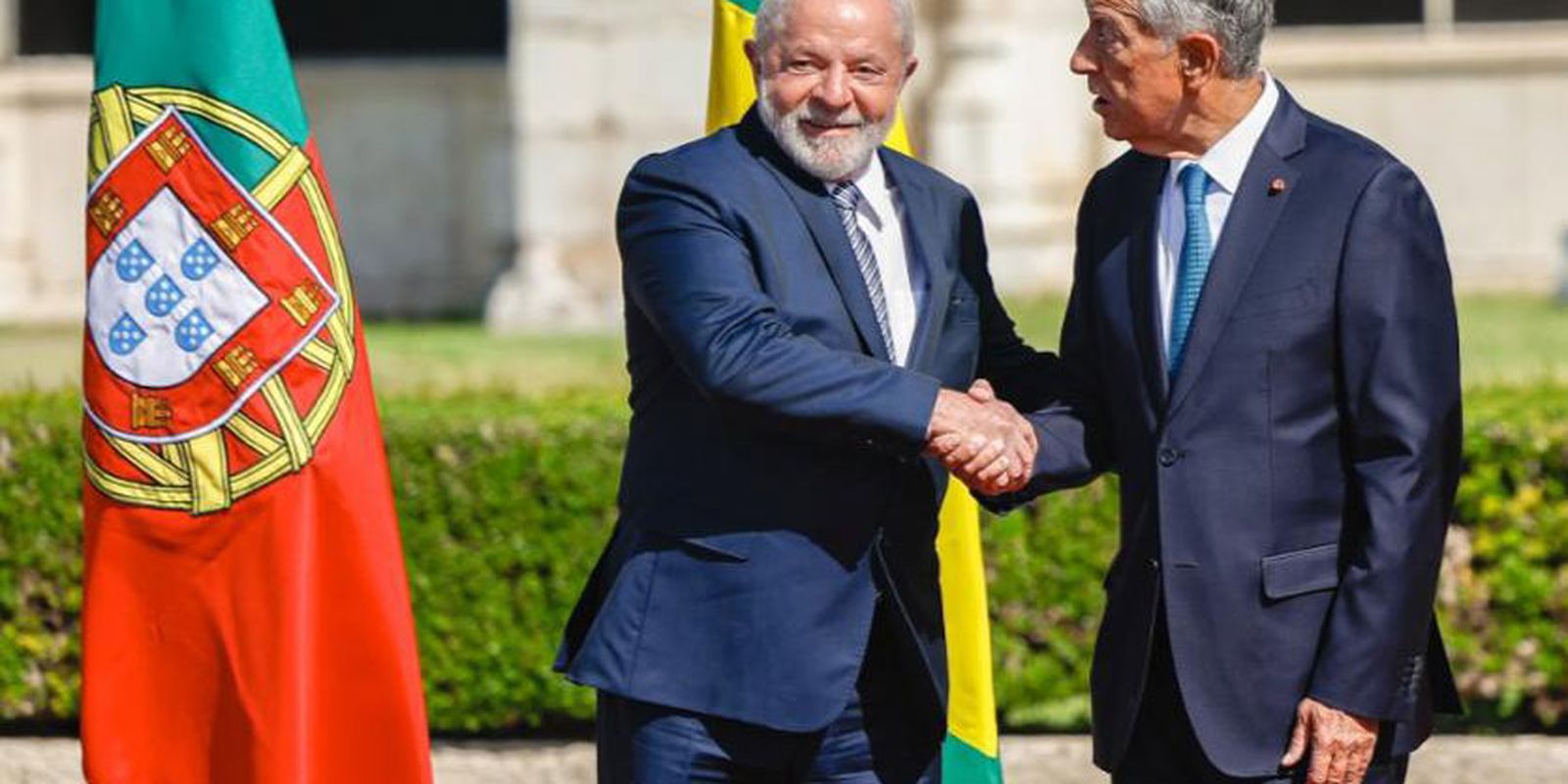
Brazil’s President Luiz Inácio Lula da Silva arrived in Portugal on Tuesday, April 21, 2026, for a state visit focused on migration policy and bilateral cooperation, according to multiple news reports.
Upon his arrival, Lula was met with criticism from André Ventura, leader of Portugal’s far-right Chega party, who publicly questioned the purpose of the visit. Ventura stated, “We already have enough corrupt officials here — we don’t need another one,” referencing Lula in remarks reported by cmjornal.pt.
The Brazilian president’s agenda includes meetings with Portuguese Prime Minister Luís Montenegro and President Marcelo Rebelo de Sousa. Topics expected to be discussed include immigration reform, efforts to combat xenophobia against Brazilian nationals in Portugal, and the advancement of the Mercosul-European Union trade agreement.
Portuguese officials have emphasized ongoing initiatives to regularize the status of Brazilian immigrants residing in the country. According to O Globo, government representatives sought to downplay concerns about discrimination while highlighting progress in legal residency processes for Brazilians.
Meanwhile, reports from InfoMoney indicate that Montenegro reaffirmed Portugal’s commitment to finalizing the Mercosul-EU trade deal during discussions with Lula, describing it as a priority for both blocs.
The visit likewise comes amid individual accounts of discrimination. One Brazilian woman publicly shared her experience of alleged xenophobia leading to dismissal from a public service position in Portugal, appealing directly to Lula for intervention, as reported by O Globo.
R7 noted that Lula is scheduled to hold a formal meeting with President Rebelo de Sousa to specifically address immigration policies and xenophobia concerns affecting the Brazilian community in Portugal.
The state visit underscores the deepening diplomatic and economic ties between Brazil and Portugal, particularly as both nations navigate shared challenges related to migration, integration, and international trade agreements.
