
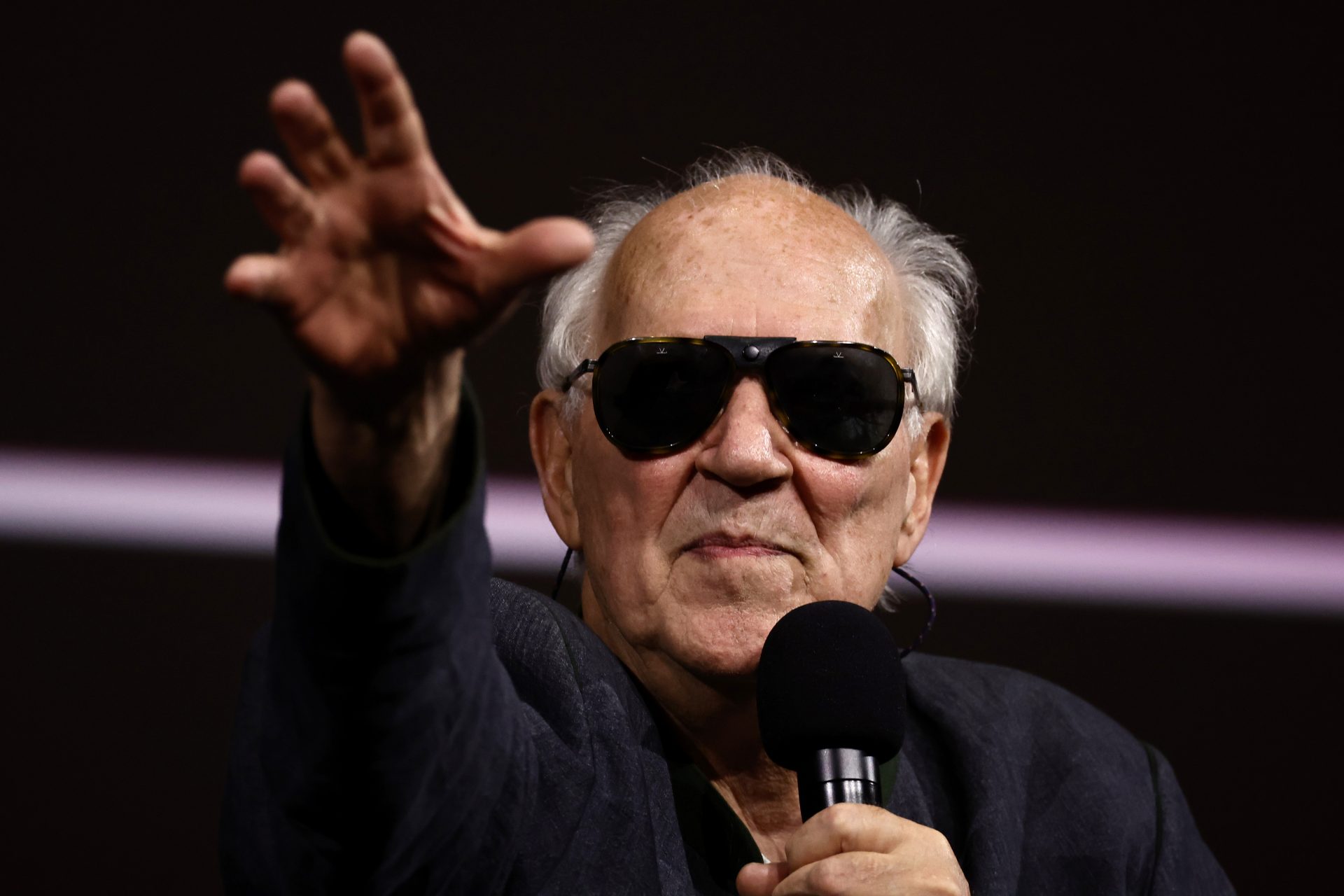
Werner Herzog, 83, Explores the Elusive Nature of Truth in New Book
Renowned filmmaker Werner Herzog, 83, releases his latest work, The Future of Truth, today, offering a philosophical exploration of reality and the human search for meaning in an era increasingly defined by misinformation.
The book, translated from German by Michael Hofmann, draws on Herzog’s decades of experience observing the world through the lens of a camera, from the grueling production of his 1982 film Fitzcarraldo – where a steamship was famously hauled over a mountain – to his more recent documentaries. Herzog recounted his commitment to the project during filming in 1981, stating, “If I abandoned this project, I would be a man without dreams and I don’t want to live like that.” He challenges conventional definitions of truth, dismissing the idea that it simply equates to “conformity with fact” as “a definition of a complete dimwit.”
Herzog argues that truth extends beyond verifiable data, venturing into the realm of “ecstatic truth” – a concept he explores through art and observation. He uses Michelangelo’s Pietà as an example, suggesting that artistic license can reveal deeper truths than strict adherence to factual accuracy. This perspective, he clarifies, differs from the demands of political journalism, where fact-checking is paramount. His previous work, including 2001’s Invincible, demonstrates this approach, blending historical events with fictionalized narratives to illuminate complex realities. The increasing prevalence of AI and disinformation makes Herzog’s exploration of truth particularly relevant, as detailed in his earlier documentary, Lo and Behold, Reveries of the Connected World.
Herzog emphasizes the importance of critical thinking and continuous questioning, urging readers to embrace doubt and consult multiple sources. He warns against the decline of reading, stating, “Read, read, read, read, read…That’s of fundamental importance for our future.” The book’s release comes as concerns grow about the erosion of trust in institutions and the spread of false information, potentially impacting civic discourse and decision-making.
The Future of Truth is published by Bodley Head, and Herzog continues to advocate for a relentless pursuit of understanding in a world grappling with uncertainty.
