
Severe Solar Storms Trigger Aurora Alerts, Potential Communication Disruptions
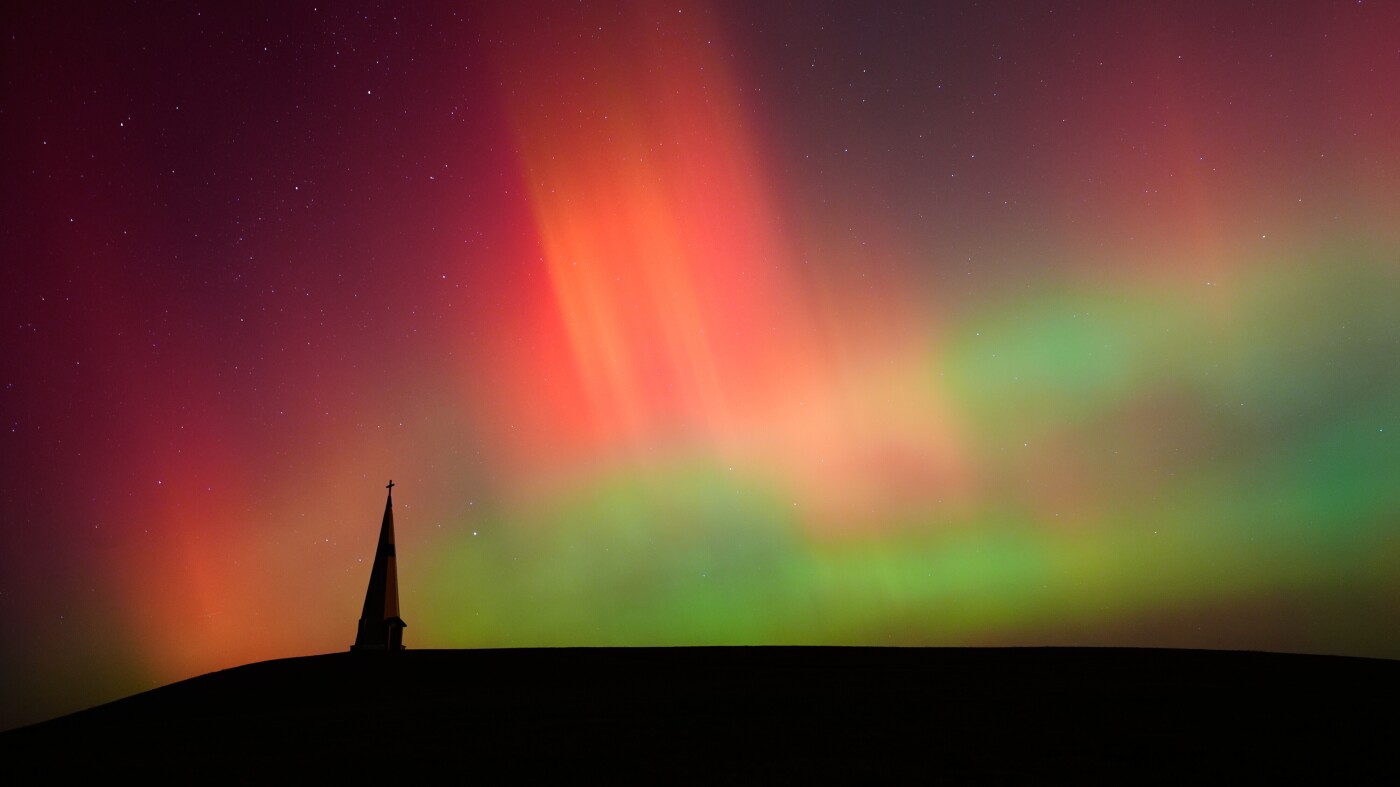
Severe solar storms impacting Earth could bring vibrant displays of the northern lights as far south as Alabama and Northern California tonight and early Wednesday, while also potentially disrupting radio and GPS communications.
The National Oceanic and Atmospheric Administration (NOAA) issued the alert Tuesday after observing several coronal mass ejections from the sun in recent days. These bursts of energy are expected to arrive tonight, and the resulting geomagnetic storms could affect a wide range of technologies. The sun is currently at the peak of its 11-year activity cycle, increasing the frequency and intensity of such events; this heightened activity could impact infrastructure and daily life more frequently in the coming months.
Auroras, commonly seen near the poles, occur when charged particles from the sun interact with Earth’s atmosphere. However, the current solar activity is causing these displays to be visible at lower latitudes than usual. Last year saw the strongest geomagnetic storm in two decades, bringing the lights to Europe and the Northeastern United States. For those hoping to catch a glimpse, NOAA’s Space Weather Prediction Center offers forecasts and resources, and experts recommend finding a dark location away from city lights. You can learn more about the science behind the aurora here.
While beautiful, solar storms can also have practical consequences, potentially disrupting the power grid, air traffic control, and satellite communications. A particularly strong event in 1859 caused telegraph lines to spark, and a 1972 storm may have triggered sea mines. Officials are monitoring the situation closely and preparing for potential impacts.
