
Mali Faces Crippling Fuel Shortage as Jihadist Group Blocks Supply Routes
A two-month blockade of fuel supplies by the al-Qaeda-affiliated group Jama’at Nusrat al-Islam wal-Muslimin (JNIM) is paralyzing Mali, disrupting daily life and raising concerns about the stability of the West African nation.
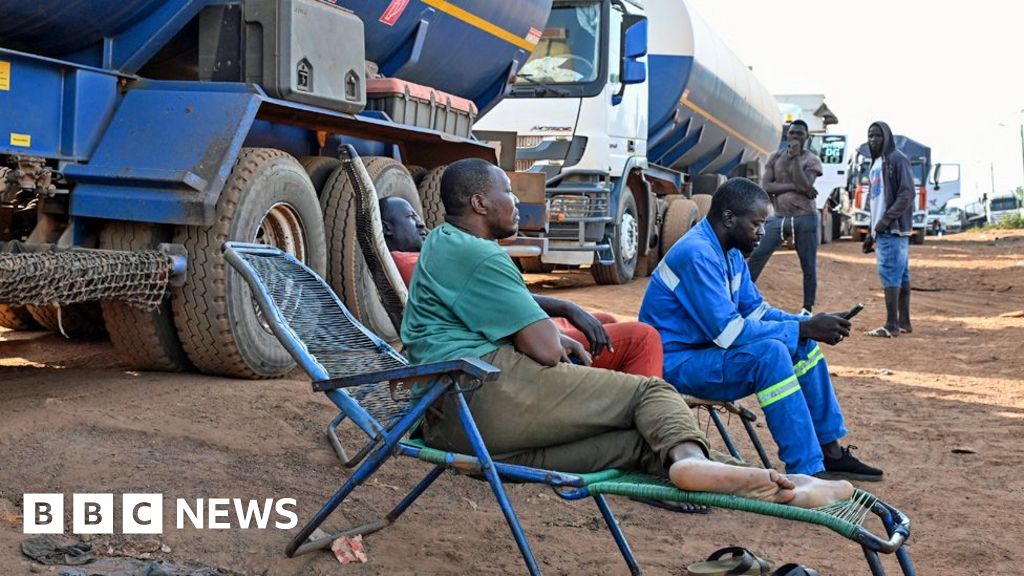
JNIM fighters have been attacking fuel tankers traveling from neighboring countries like Senegal and Ivory Coast, kidnapping drivers and torching over 100 trucks destined for Bamako. The resulting shortages have forced schools and universities to close, driven up food prices, and caused power outages in hospitals. “We’re here waiting for fuel, and we’ve been here for more than four days now,” said taxi driver Sidi Djiré, waiting at a petrol station in Bamako. “Whether you’re a vendor or a teacher, everyone’s work has been affected.” This crisis underscores Mali’s vulnerability as a landlocked nation heavily reliant on overland fuel transport.
The fuel scarcity is impacting essential services; at the Kalaban Coro Health Centre, Dr. Issa Guido explained that medical personnel are struggling to commute to work due to fuel limitations. The junta, which seized power five years ago, has responded by providing military escorts for fuel convoys, but these have also come under attack. The government has also reportedly reached an agreement with Russia for emergency fuel supplies and logistical support, potentially deepening its reliance on Moscow as relations with Western nations remain strained – a shift that could have long-term geopolitical consequences for the region. You can learn more about the political landscape of Mali here.
Ordinary Malians are expressing growing frustration and fear. Assitan Diarra, a customer at Bamako’s Baco Djicoroni market, noted that food prices have tripled, stating, “Times are really tough right now. But what can we do? We are at war. We pray that God brings ease and peace to our country.” Amidou Diallo, a welder, voiced concerns that prolonged shortages could lead to increased crime and instability. The United States has urged Americans not to travel to Mali, while France has advised its citizens to leave the country as soon as possible; you can find the latest travel advisories from the U.S. State Department.
Officials insist the situation is under control, but critics argue the government’s response has been reactive rather than proactive, and have promised further emergency measures to address the ongoing crisis.
