
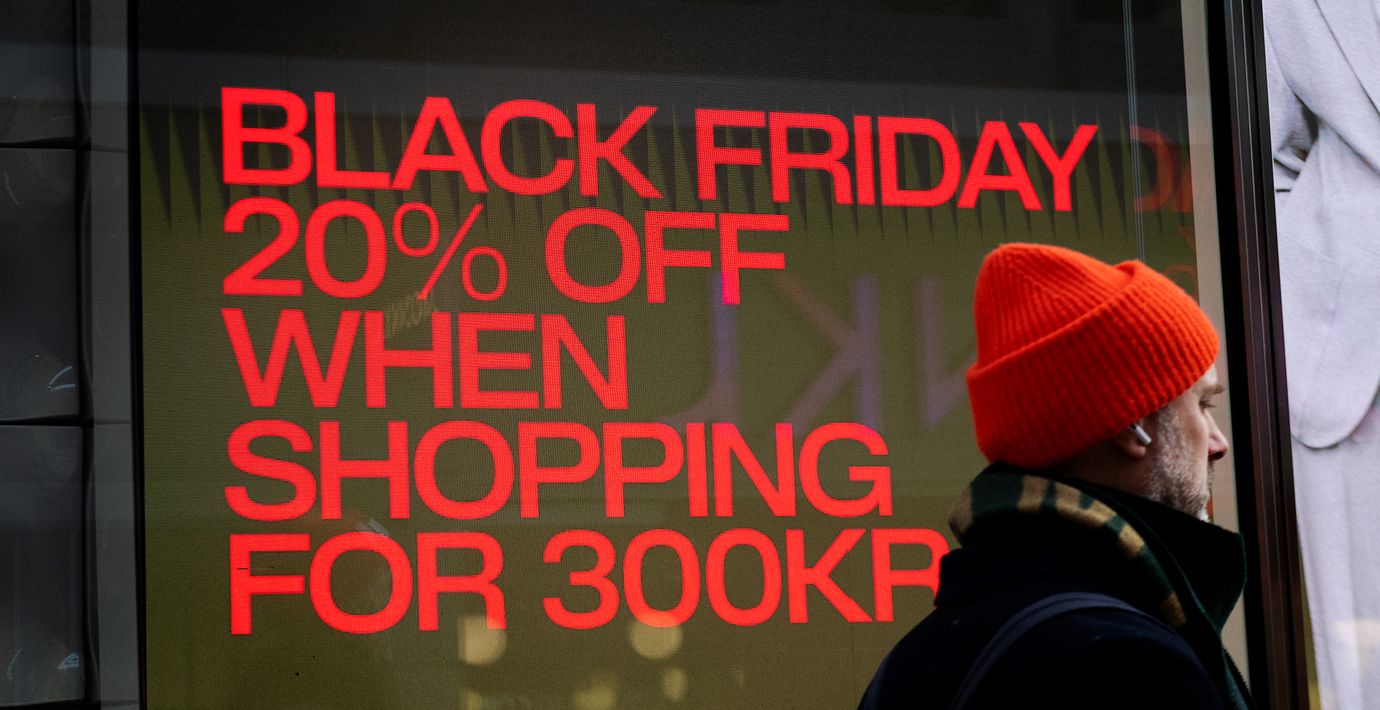
The conventional December shopping rush is steadily giving way to an earlier surge in consumer spending, with Black Friday now dominating retail sales cycles. Analysis from SEB, a Scandinavian financial services group, reveals that Black Friday week has become the peak period for retailers, a trend observed over the last decade [[1]]. This shift isn’t simply about a single day anymore; many retailers began promotional campaigns as early as October [[1]], impacting inventory planning and revenue forecasts as businesses adapt to thes evolving consumer habits [[2]].
The crucial holiday shopping season is increasingly shifting from December to November, driven by the prominence of Black Friday sales, according to analysis from SEB, a leading Scandinavian financial services group. This trend has become more pronounced over the past five to ten years, impacting retail revenue cycles.
SEB’s macro analyst, Marcus Widén, explained that data from customer card purchases clearly demonstrates Black Friday week as the peak sales period for retailers. The shift highlights the growing importance of promotional events in shaping consumer spending patterns during the year-end holiday period.
“Black Week is super important for retail,” Widén told the radio station Ekot.
The concentration of sales during Black Week has significant implications for retailers’ inventory management and revenue forecasting, requiring adjustments to traditional seasonal planning. The trend underscores the evolving dynamics of the retail landscape and the increasing influence of promotional events on consumer behavior.
