

K-pop fans visiting South Korea to attend concerts or collect exclusive merchandise are increasingly falling victim to scams—with foreign victims of fraud rising nearly fourfold in two years. Police data shows 19,907 international visitors reported scams in 2025, up from 5,307 in 2023, as criminals exploit the global popularity of K-pop to target fans through social media and unofficial resale platforms.
How Scammers Are Targeting K-Pop Fans
Scammers use a consistent playbook: they approach fans on platforms like X (formerly Twitter) or Instagram, offering to sell concert tickets, limited-edition merch, or even signed photos—only to disappear after receiving payment. One Singaporean fan posted on X last month after being scammed out of 72,200 won (about $52) for a promised photo card that never arrived. “They showed me a fake ticket confirmation and asked for the rest of the money,” the fan wrote. “After I paid, they blocked me immediately.”
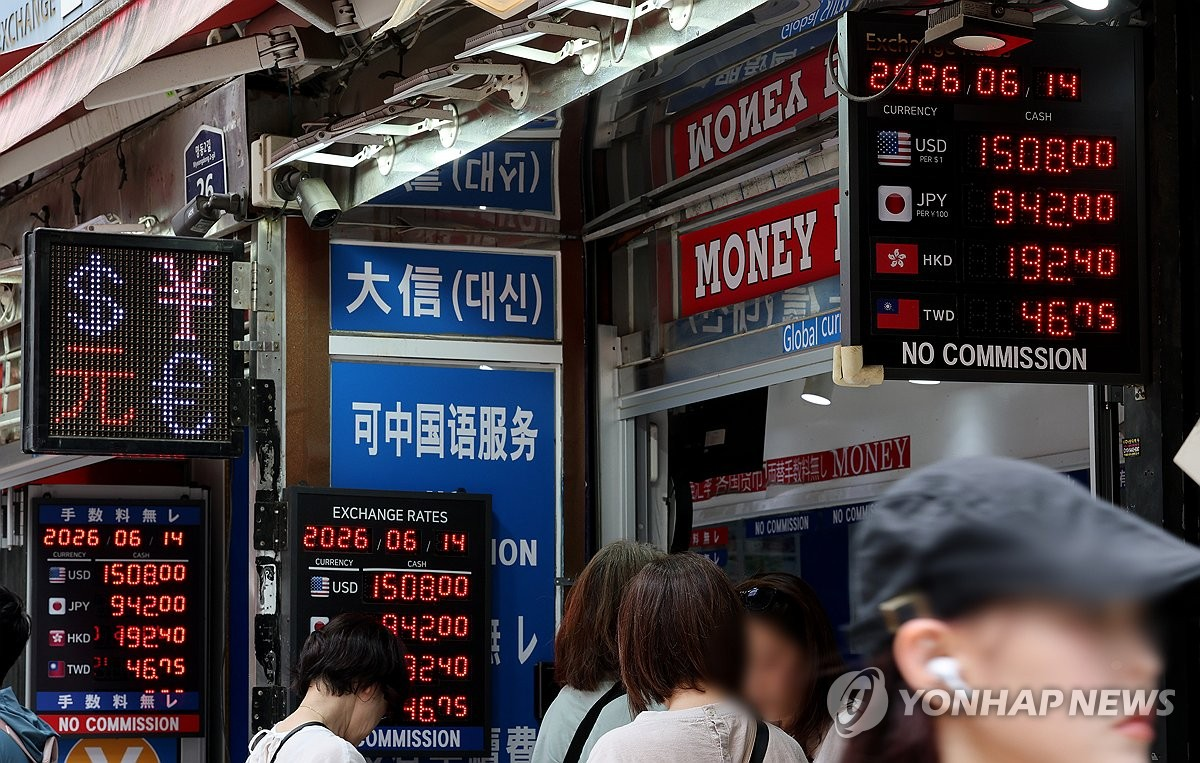
According to Hankyung, the scams often involve fake “resale” tickets for sold-out shows like BTS’s recent Busan concert, where 5 out of 7 reported foreign crimes were fraud cases. Criminals send password-protected PDFs claiming to contain tickets, then vanish once payment is made. Meanwhile, platforms like Pokamarket, a dedicated photo card trading site, have seen a surge in fake listings, with buyers frequently left without proof of purchase.
Why Foreign Fans Are Especially Vulnerable
Foreign K-pop fans face three major hurdles that make them easy targets: language barriers, unfamiliarity with local payment systems, and a lack of awareness about scam warning signs. Many don’t realize Korean financial platforms like Dutchie can flag suspicious transactions—or that Korean police rarely track cross-border fraud cases. As one Indonesian fan told Asiae, “I trusted the seller because they had 5,000 followers. But after sending the money, they cut off all contact.”

Police data highlights the scale: while overall foreign crime in Korea rose 81.7% between 2023 and 2025, scams against tourists surged 380%—from 5,307 victims to 19,907. The majority of cases involve K-pop-related purchases, with concert tickets and limited-edition merch being the top bait. Experts warn the problem will worsen as more international fans flock to Korea for events like the 2030 Busan World Expo, which organizers are already marketing as a K-pop pilgrimage.
What Police and Industry Are Doing (and What’s Missing)
South Korean authorities have acknowledged the issue, with Democratic Party lawmaker Kim Jun-hwan citing police data to demand stronger protections. “As more foreigners visit for K-culture and K-beauty, we must actively prevent crimes against them,” Kim said in a statement to Daum. However, enforcement remains weak: police don’t track K-pop scams separately, and many victims—especially those who lose small amounts—never report the crimes.
The entertainment industry has taken limited steps. Some idol agencies now warn fans about unofficial resellers, and platforms like Pokamarket have added verification badges.
- Multilingual alerts at airports and concert venues about common scams.
- Partnerships with global payment firms to flag suspicious transactions.
- A dedicated hotline for foreign victims to report fraud without language barriers.
Industry insiders say the problem is systemic. “K-pop fans are emotionally invested—they’ll pay anything for a piece of their idol’s history,” said a source close to one major agency, speaking anonymously to Digital Times. “But until we treat this like a coordinated crime wave, not just isolated incidents, the scams will keep growing.”
What Happens Next for Scammed Fans?
For victims, recovery is nearly impossible. Korean banks rarely reverse transactions for cross-border fraud, and police often classify the cases as civil disputes rather than criminal investigations. One fan who lost 72,200 won told Seoul Economy Daily, “I reported it, but the police said there was no evidence—just their word against mine.”
- Only buy from official stores or verified resellers (look for agency-approved badges).
- Use secure payment methods like credit cards with fraud protection.
- Never send money before receiving physical proof of purchase (e.g., a tracking number).
- Report scams to both Korean police (via local stations) and international fraud units like the IC3.
The rise in K-pop scams reflects a broader trend: as Korea’s cultural exports grow, so do the criminals exploiting them. Without urgent action from police, platforms, and the industry itself, fans will keep falling prey to the same old tricks—just dressed up in the latest K-pop merch.
Find more reporting in our News section.
