
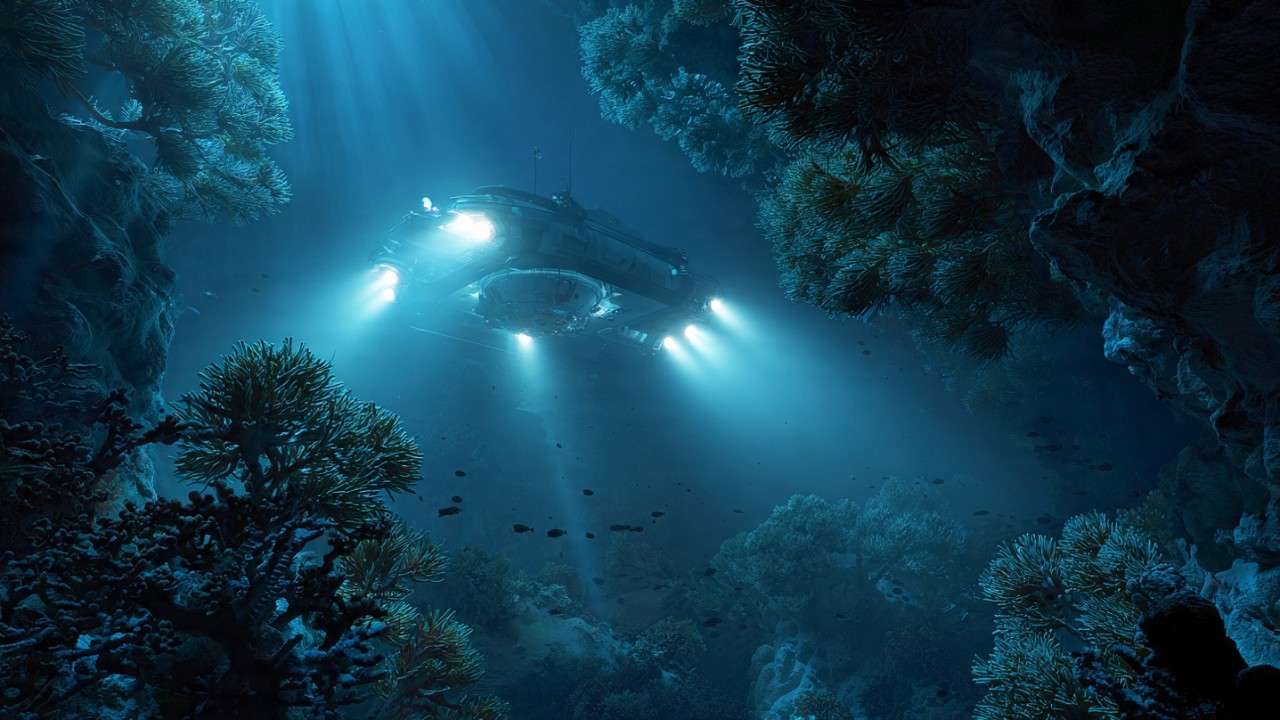
A massive coral reef and 28 potentially new marine species were discovered in the South Atlantic Ocean during a research expedition, according to a report from news.google.com. The find, described as “a hidden ecosystem” by scientists, includes rare creatures like the “Giant Phantom Jellyfish” and spans an area comparable to Vatican City.
The discovery was made during a mission to study “cold seeps”—areas where gas and minerals emerge from the ocean floor. Instead, researchers encountered a thriving coral ecosystem dominated by the rare coral species *Bathypathes candida*, which forms the foundation of the reef. “This is the largest known structure of its kind,” said a scientist quoted in the report, though no specific name was provided.
The expedition, conducted in June 2026, documented a diverse array of marine life, including jellyfish, octopuses, crabs, and fish. Video footage captured “a vibrant ecosystem” teeming with life, according to the report. Researchers also collected 28 specimens that may represent new species, pending further analysis.
While the findings were described as “stunning” by the reporting outlet, no independent scientific validation or peer-reviewed publication was cited. The article emphasized the significance of the discovery for marine biology, noting that such deep-sea environments remain poorly understood.
The South Atlantic location, though unspecified, aligns with ongoing research into deep-sea geology and biodiversity. However, the absence of detailed coordinates or specific research institutions involved limits the ability to verify the claims.
The discovery highlights the vast unknowns of the ocean, with over 80% of the seafloor unmapped as of 2026. Scientists continue to explore these regions, driven by both curiosity and the potential for new biological and geological insights.
The findings, if confirmed, could reshape understanding of deep-sea ecosystems and their resilience. However, without additional data from other sources, the full implications remain unclear.
The term “en” appears in multiple contexts, including typography, chemistry, and linguistics, according to en.wiktionary.org. In typography, “en” refers to a unit of measurement equal to half an em. In chemistry, it denotes ethylenediamine, a ligand used in coordination complexes. The term also represents the Latin letter N and is part of various linguistic and historical references.
While the term “en” has no direct connection to the ocean discovery reported in the first source, its inclusion in the multi-source briefing underscores the diversity of topics covered by the cluster.
The prefix “en-” is defined in thefreedictionary.com as a linguistic element meaning “to cause (a person or thing) to be in” or “to confine in or place on.” It is used in verbs such as “entomb” and “enclose.” The prefix also appears in words like “endemic,” meaning “within” or “native to a particular region.”
Like the term “en” in the previous source, the prefix “en-” does not relate to the oceanic discovery. However, its presence in the briefing illustrates the range of topics addressed by the cluster.
The ocean discovery, as reported, represents a significant but unverified contribution to marine science. While the findings are intriguing, the lack of corroborating evidence from other sources or peer-reviewed studies leaves room for skepticism. Future research will be critical in determining the validity and broader implications of the reported ecosystem.
Until then, the discovery remains a compelling example of the mysteries that still lie beneath the waves.
Find more reporting in our Tech section.
