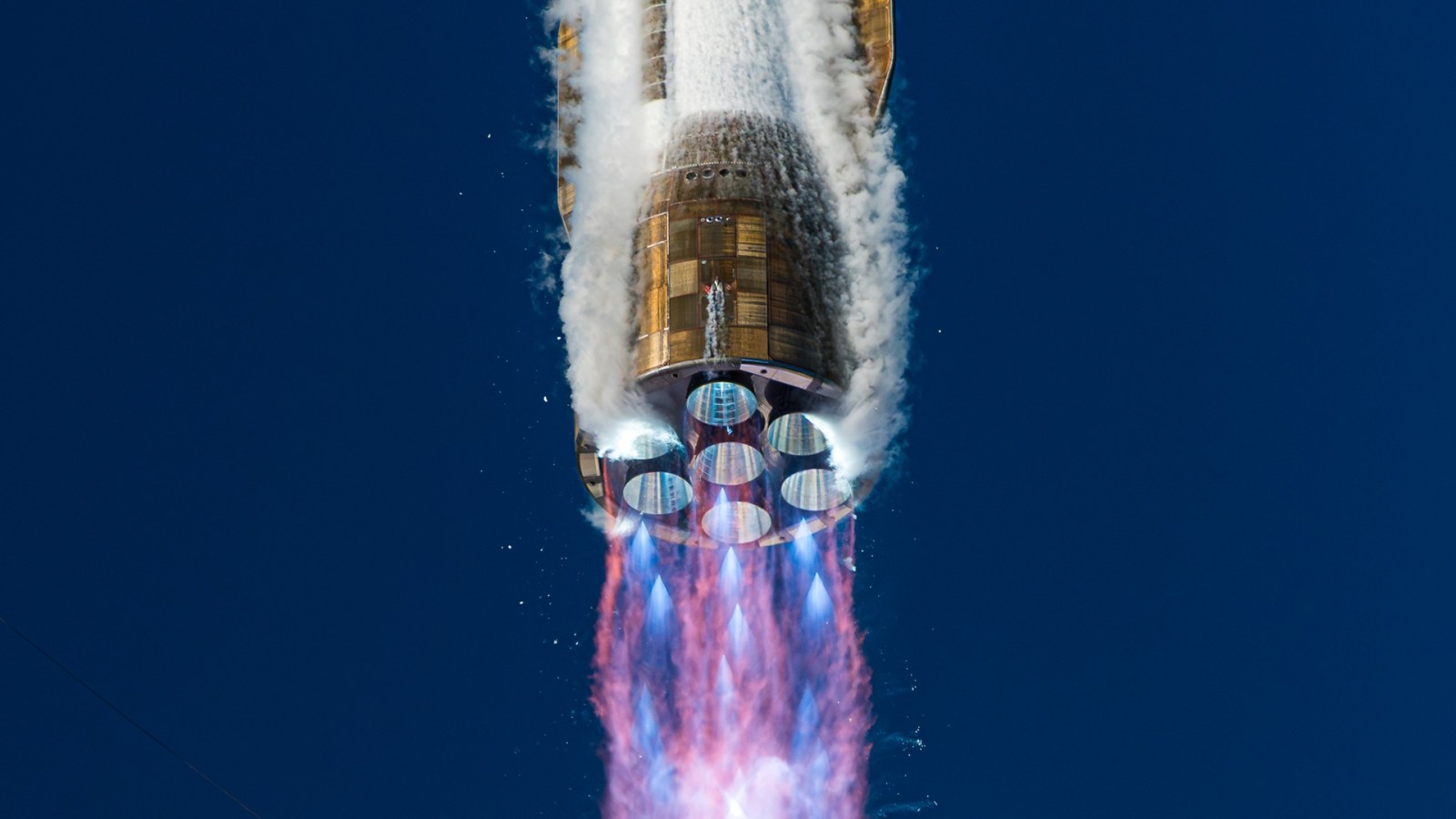
Following a successful test flight and booster recovery, Blue Origin is setting its sights on a new frontier: the Moon. The company is preparing its New glenn rocket for a mission slated for the first quarter of 2026, which will carry a prototype lunar lander – “Blue Moon” – to Earth’s satellite for a critical technical presentation. This mission is a key component of NASA’s Artemis program,aiming to establish a sustained human presence on the lunar surface and beyond.
Next stop for New Glenn: the Moon. Following the historic successful return to Earth of its first stage, Blue Origin’s massive rocket already has its next objective – and is preparing for it.
Just over a week ago, Blue Origin completed the second flight of its New Glenn rocket. The launch successfully deployed the Escapade mission to Mars, while also recovering the rocket’s first stage for future reuse. This capability was previously unique to SpaceX, marking a significant milestone in reusable rocket technology.
Blue Origin isn’t resting on its laurels, however, and is already looking ahead. The company anticipates the third flight of New Glenn to occur in the first quarter of 2026, potentially as early as January. But this mission won’t be heading to the Red Planet; instead, the target is the Moon, for a technical demonstration.
Blue Origin Targets the Moon with New Glenn
Blue Origin plans to launch a prototype lunar lander, known as Blue Moon, to Earth’s natural satellite. This uncrewed spacecraft is competing to become the vehicle that will deliver astronauts to the lunar surface and return them to a space station in lunar orbit. The development of lunar landers is a key component of NASA’s Artemis program and the broader push to establish a sustained human presence on the Moon.
To demonstrate its capabilities and validate the technology in a real-world environment, the company will utilize a New Glenn rocket for the mission. Notably, the rocket will incorporate a first stage that was previously flown during the second New Glenn launch, allowing for simultaneous testing of a reused booster.
According to Dave Limp, Blue Origin’s CEO, speaking to Ars Technica on November 17, 2025, the launch remains on track for the first quarter of the year. The company has a backup booster nearly complete in case the primary unit is deemed unfit for flight or requires extensive refurbishment.
Final assembly of the Blue Moon prototype is also nearing completion, Limp added. The lander, which is taller than the Apollo lunar module used over 55 years ago, is designated “Mark 1,” signifying it as the first iteration in a series of planned designs. The lunar South Pole is the intended destination.


Toute l’actu tech en un clin d’œil
Ajoutez Numerama à votre écran d’accueil et restez connectés au futur !