
Blue Origin Offers Accelerated Moon Landing Plan to NASA
Blue Origin is prepared to expedite NASA’s human lunar landing efforts, potentially countering China’s progress in the space race, the company’s CEO announced today.
Dave Limp, CEO of the space company founded by Jeff Bezos, stated, “We just want to help the US get to the Moon. If NASA wants to go quicker, we would move heaven and Earth, pun intended, to try to get to the Moon sooner. And I think we have some good ideas.” Limp spoke yesterday, ahead of the New Glenn rocket’s second launch from Cape Canaveral Space Force Station in Florida, scheduled to open at 2:45 pm ET (19:45 UTC). The launch will carry the ESCAPADE spacecraft for NASA.
NASA is currently reassessing its Artemis III mission timeline after acknowledging the possibility of China reaching the Moon with humans first. Acting NASA administrator Sean Duffy recently reopened the competition for a human lander, requesting SpaceX and Blue Origin to propose accelerated schedules. The current target of 2027 is considered unlikely given the existing plans for SpaceX’s Starship and Blue Origin’s Mk. 2 lander. Blue Origin has reportedly begun developing a faster architecture utilizing multiple versions of its Mk. 1 cargo lander, including a modified Mk 1.5 version – details of which can be found on Space.com.
Limp confirmed that Blue Origin has already submitted an initial proposal to NASA and a full report is forthcoming. “I’m not going to go into the details because I think that’s probably for NASA to talk about, not us, but we have some ideas that we think could accelerate the path to the Moon. And I hope NASA takes a close look,” he said. A successful return to the Moon would mark a significant milestone in space exploration and potentially unlock further opportunities for scientific discovery and resource utilization, as outlined by NASA’s Artemis program.
NASA officials have indicated they will carefully review Blue Origin’s proposal, along with SpaceX’s, to determine the most viable path forward for achieving a faster lunar landing.
Blue Origin stands ready to help NASA achieve its goals with regard to landing humans on the Moon as soon as possible, the company’s chief executive said Saturday in an interview with Ars.
“We just want to help the US get to the Moon,” said Dave Limp, CEO of the space company founded by Jeff Bezos. “If NASA wants to go quicker, we would move heaven and Earth, pun intended, to try to get to the Moon sooner. And I think we have some good ideas.”
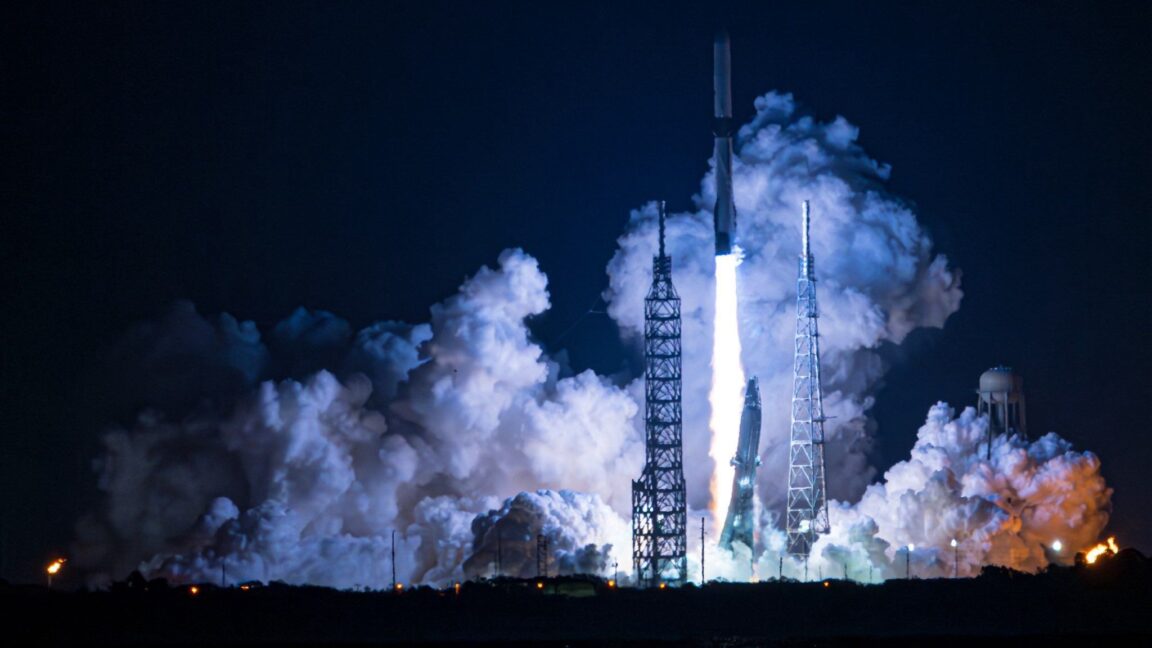
Limp spoke on Saturday, about 24 hours ahead of the company’s second launch of the large New Glenn rocket. Carrying the ESCAPADE spacecraft for NASA, the mission has a launch window that opens at 2:45 pm ET (19:45 UTC) at Cape Canaveral Space Force Station in Florida, and runs for a little more than two hours.
NASA seeks a faster return
This year it has become increasingly apparent that, should NASA stick to its present plans for the Artemis III lunar landing mission, China is on course to beat the United States back to the Moon with humans. In recognition of this, about three weeks ago, NASA acting administrator Sean Duffy said the space agency was reopening the competition for a human lander.
SpaceX and Blue Origin both have existing contracts for human landers, but the government has asked each providers for an option to accelerate their timeline. NASA currently has a target landing date of 2027, but that is unrealistic using the present approach of SpaceX’s Starship or Blue Origin’s large Mk. 2 lander.
Ars exclusively reported in early October that Blue Origin had begun work on a faster architecture, involving multiple versions of its Mk. 1 cargo lander as well as a modified version of this vehicle tentatively called Mk 1.5. Limp said that after Duffy asked for revised proposals, Blue Origin responded almost immediately.
“We’ve sent our initial summary of that over, and we have a full report of that due here shortly,” he said. “I’m not going to go into the details because I think that’s probably for NASA to talk about, not us, but we have some ideas that we think could accelerate the path to the Moon. And I hope NASA takes a close look.”
