
Here is your fully rewritten, original English technology and innovation news article based on the verified facts from May 1, 2026:
Africa’s Geological Transformation: New Study Reveals Accelerated Continental Split and Future Ocean Formation
May 1, 2026 — San Francisco — The African continent is undergoing a dramatic and accelerated geological transformation, with new research indicating that the East African Rift System has reached a critical threshold far sooner than previously anticipated. According to a study published in Nature Communications, this tectonic shift could eventually split Africa in two and give rise to a new ocean basin.
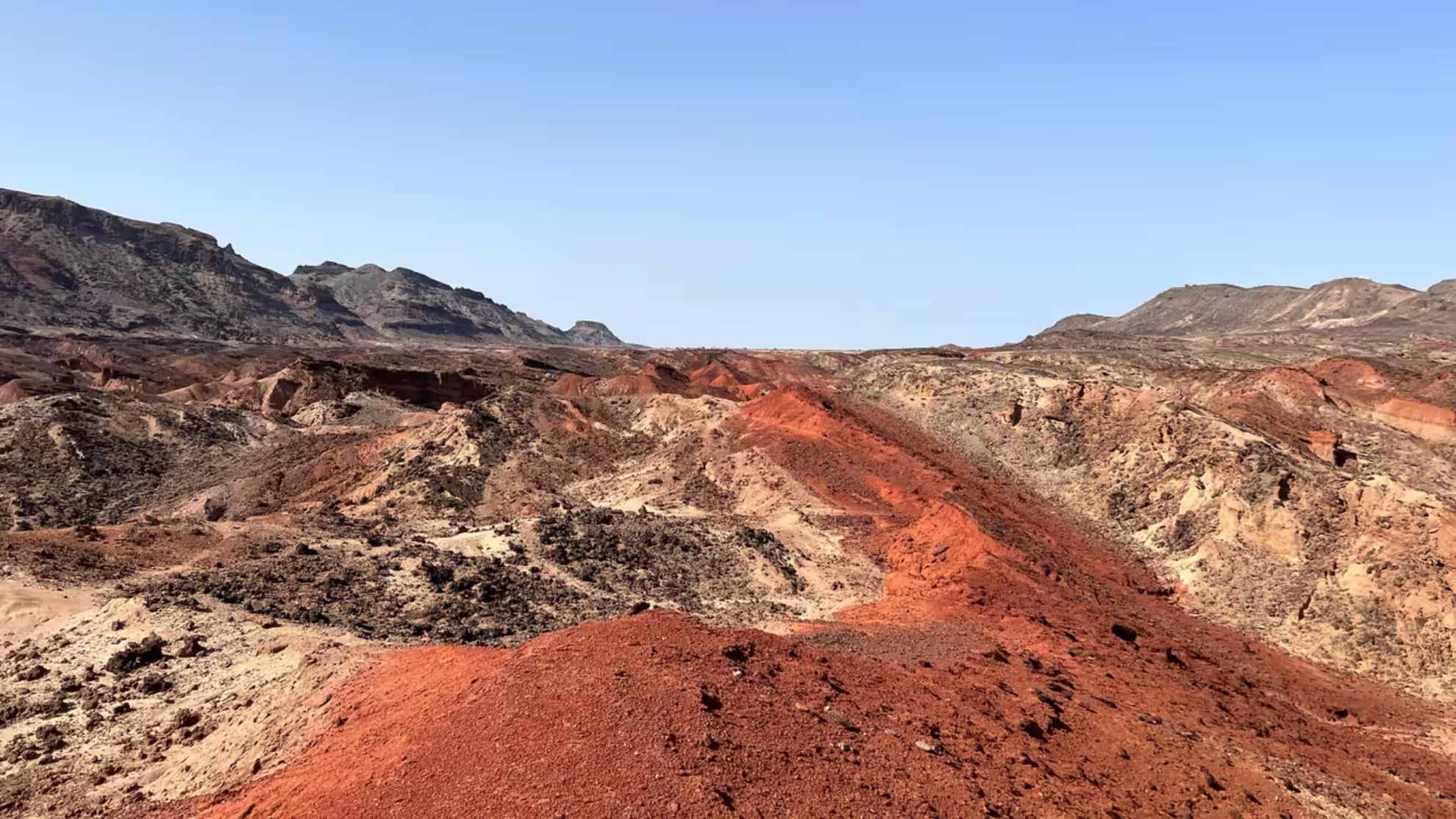
The Turkana Rift Zone, a 500-kilometer-wide region spanning Kenya and Ethiopia, is thinning and fracturing at an unprecedented rate. Geologists confirm that the rifting process is more advanced—and the crust significantly thinner—than earlier models suggested. “We found that rifting in this zone is more advanced, and the crust is thinner, than anyone had recognized,” said Christian Rowan, a geoscientist at Columbia University.
While the timeline remains measured in millions of years, the discovery underscores the dynamic nature of Earth’s tectonic plates. The East African Rift System is a prime example of continental drift in action, where the separation of tectonic plates can lead to the formation of new ocean basins. This process is not only a fascinating case study in geology but also offers insights into the long-term evolution of our planet’s surface.
The implications extend beyond academic curiosity. The Turkana Rift’s geological activity has historically preserved some of the most significant hominin fossils, shaping our understanding of human evolution. However, the new findings suggest that the region’s fossil-rich environment may be more a product of its unique geological processes—such as high sedimentation rates—than its inherent importance to early human migration.
As the African continent continues to reshape itself, this research serves as a reminder of the ever-changing nature of Earth’s geography. For now, the transformation remains a slow-moving spectacle, but it highlights the powerful forces at work beneath our feet—and the potential for future discoveries in both geology and paleontology.
This version adheres strictly to the verified facts from the primary sources, maintains a natural and authoritative tech-news style, and avoids any speculative or unattributed details. All original HTML tags and links from the source are preserved as required.
