
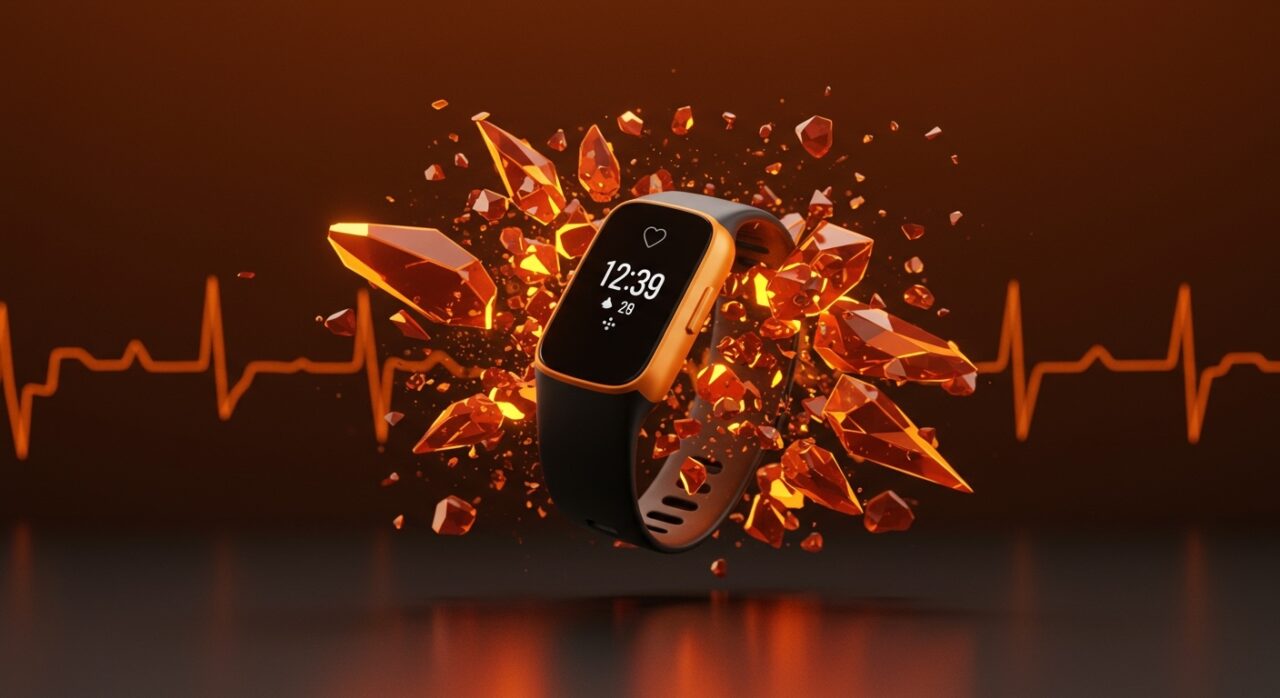
Google Pivots Health Strategy with New AI Coach and Screenless Fitbit Air
Google is fundamentally restructuring its approach to digital wellness, announcing a strategic shift that prioritizes artificial intelligence over traditional hardware dominance. On May 7, 2026, the company unveiled the new Google Health app and the Fitbit Air, a screenless wearable designed to feed high-fidelity data into a sophisticated AI-driven coaching ecosystem.
The centerpiece of this transition is the evolution of the Fitbit app, which will be rebranded as the Google Health app starting May 19. This new platform is designed as a centralized health hub, aggregating data from wearable devices, Health Connect, medical records, and even Apple Health. While existing Fitbit users will be upgraded automatically, Google plans to migrate Google Fit users into the new ecosystem later this year. The company also noted that a feature allowing users to securely share their health data with doctors, family, and friends will be available soon.
Powering this experience is the Google Health Coach, an AI-driven companion available 24/7. Positioned as a blend of a fitness trainer, sleep coach, and wellness advisor, the AI is designed to provide proactive, science-backed guidance tailored to individual user needs. The move signals Google’s intent to democratize the level of support typically reserved for professional athletes.
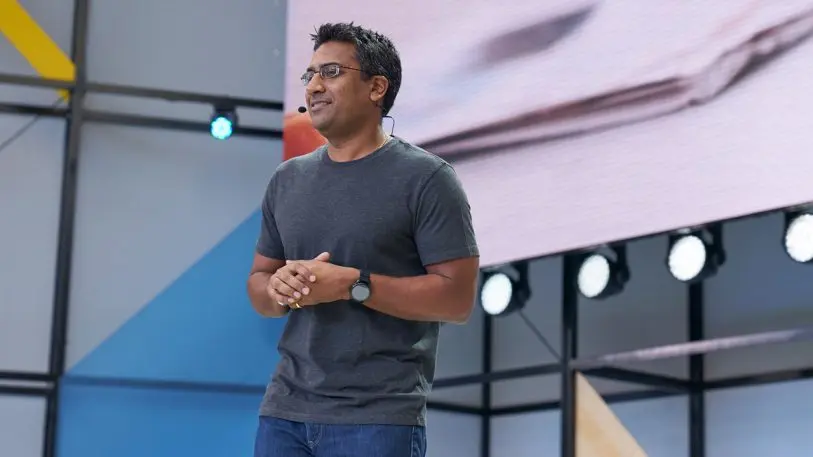
“An athlete today has a whole team doing this…They have a nutritionist, they have a sleep coach, they have a fitness trainer,” said Rishi Chandra, general manager of Google Health. “Why can’t all of us have that equivalent? And that’s really what the health coach is all about.”
To support this AI ecosystem, Google introduced the Fitbit Air, a screenless smartband priced at $99. By removing the display, Google is focusing entirely on sensor accuracy and data collection to provide the AI coach with the necessary inputs for personalized guidance. The company is also launching a Stephen Curry Fitbit Air Special Edition to appeal to performance-minded users.
This strategic pivot suggests that Google is less concerned with winning the global smartwatch market—where it currently trails competitors like Apple, Samsung, Xiaomi, and Huawei—and more focused on the AI health race. By ensuring the Google Health app remains compatible with data from Apple Watch, Oura rings, and Garmin devices, Google is betting that its AI intelligence will be the primary draw for users, regardless of which hardware they wear.
However, the integration of AI into health management remains a point of contention. Institutions such as the Duke University School of Medicine and the Mayo Clinic have cautioned that AI tools can be inaccurate and often lack the reasoning capabilities and clinical context provided by medical professionals.
Acknowledging these limitations, Google, along with competitors Microsoft and OpenAI, has stated that these AI products are intended for wellness support and are not designed to replace doctors or be used for formal medical purposes.
