
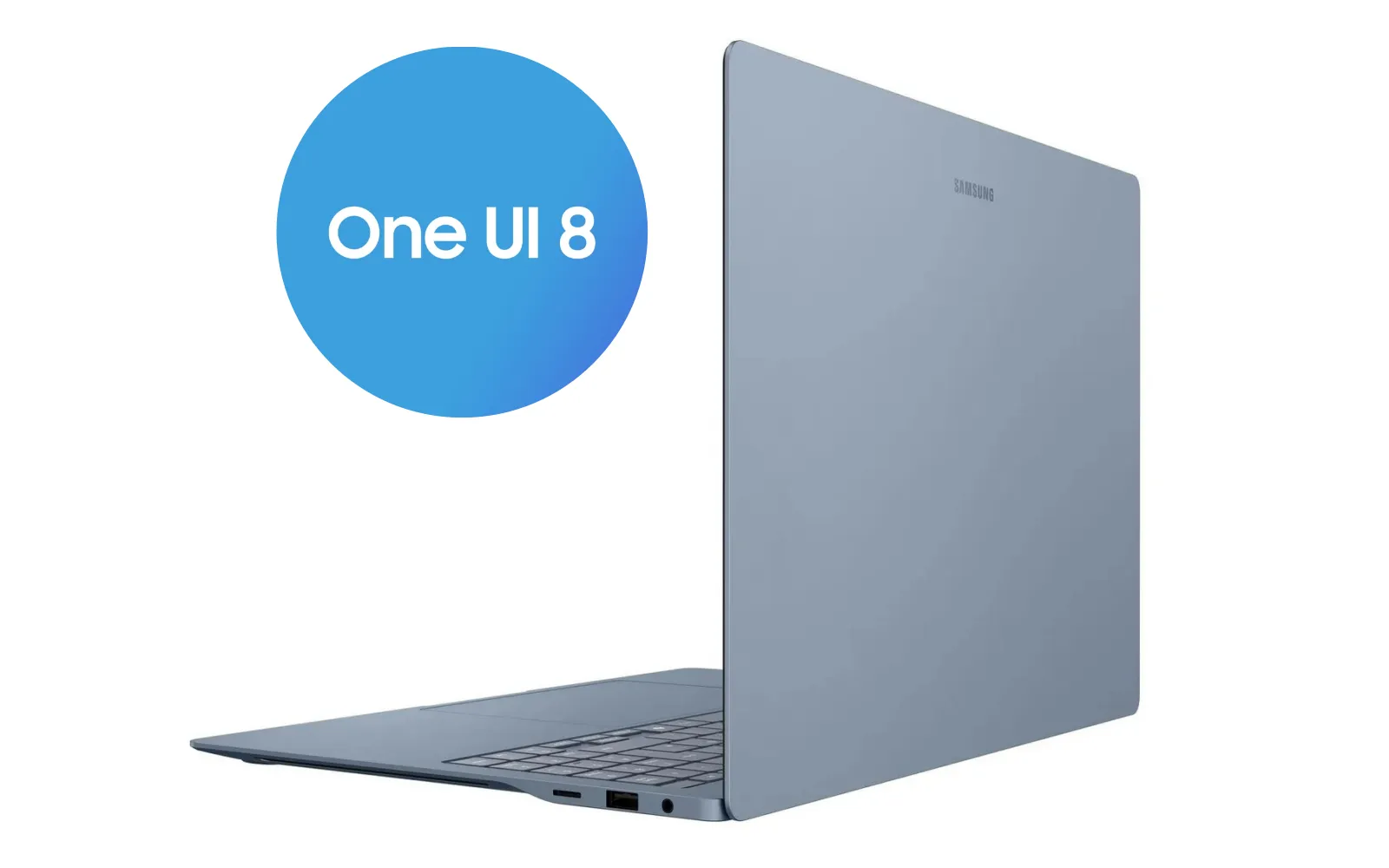
Samsung Explores Android-Based Laptops and Novel Galaxy Book 6 Edge Hardware
Samsung is reportedly exploring a strategic shift in its computing ecosystem, with indications that the company is developing laptops powered by an Android-based operating system. This move suggests a potential effort to bridge the gap between mobile and desktop experiences, potentially positioning a new OS as a viable alternative to Windows in certain segments of the market.
Central to this ecosystem evolution is the rumored integration of One UI for laptops. By bringing its signature mobile interface to a larger screen, Samsung could create a more seamless transition for users moving between Galaxy smartphones, tablets, and PCs. Such a transition would represent a significant step in the company’s goal to create a unified digital environment across all its hardware.
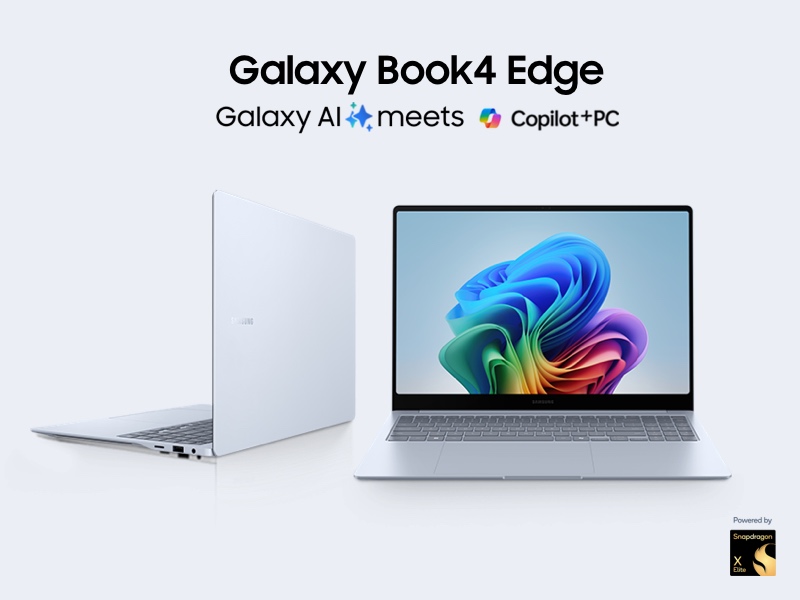
Parallel to these OS explorations, leaks regarding the Galaxy Book 6 Edge have begun to surface, providing a glimpse into the next generation of Samsung’s high-end portable computing. The device is expected to feature a significant hardware upgrade, specifically utilizing the Snapdragon X2 Elite chipset. This adoption of ARM-based architecture underscores a broader industry trend toward improving power efficiency and integrating AI capabilities directly into the processor.
Beyond raw performance, Samsung is reportedly repositioning the Galaxy Book 6 as a specialized tool for professional environments. According to recent reports, the company is enhancing security and administrative control features to produce the hardware more appealing for corporate deployment.
The combination of a potential Android-based OS and high-efficiency Snapdragon silicon suggests that Samsung is preparing for a future where the boundary between mobile agility and desktop productivity is almost entirely removed. If successful, these developments could challenge the long-standing dominance of traditional desktop operating systems in the laptop market.
