
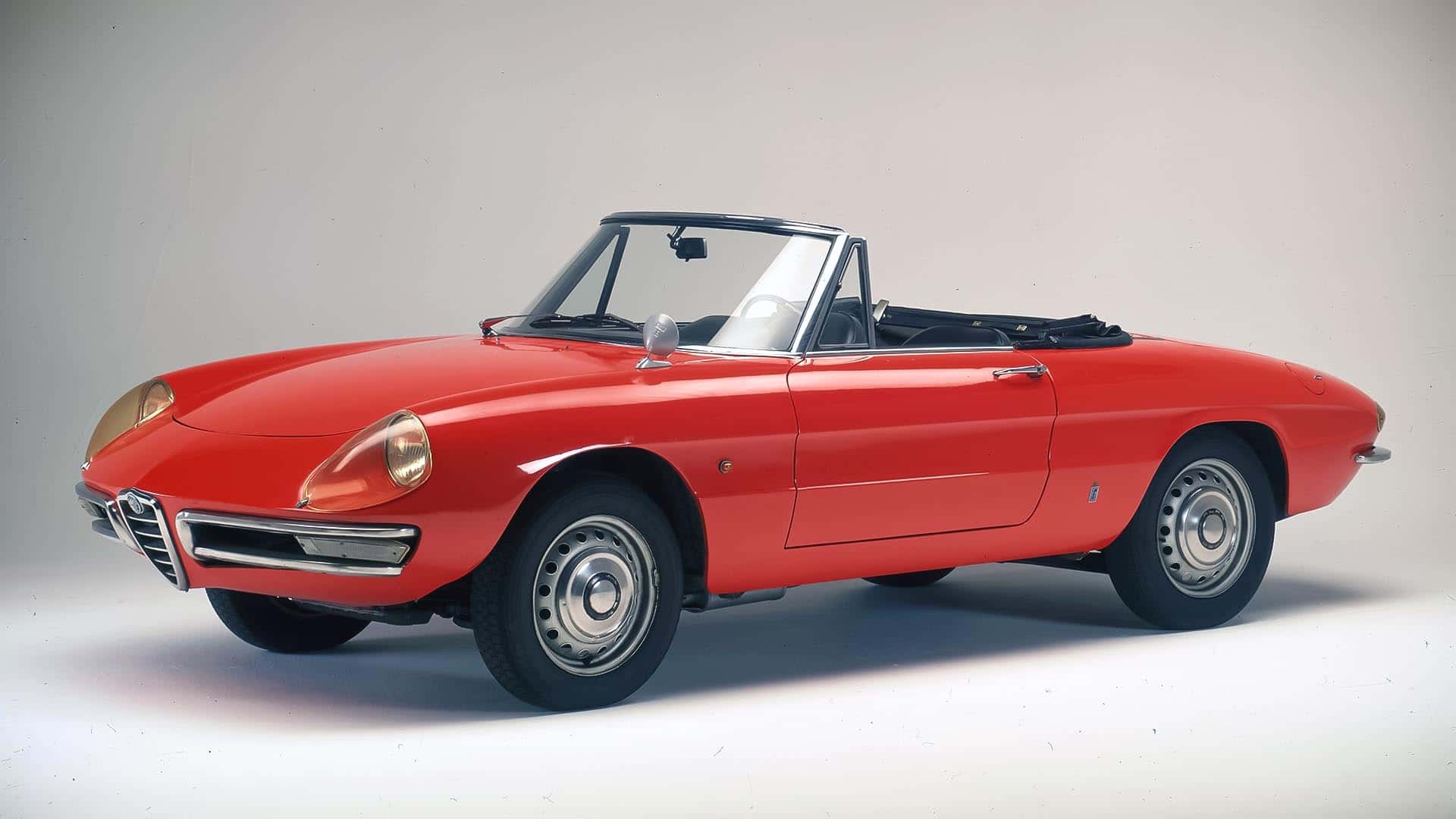
The Alfa Romeo Spider ". Duetto" celebrates 60 years since its debut in 1966, marking six decades of a design that became synonymous with Italian automotive elegance. First introduced at the Geneva Motor Present, the Duetto quickly gained fame for its distinctive rounded front end, earning the nickname "Osso di Seppia" — cuttlebone — due to its smooth, flowing lines.
Designed by Pininfarina, the Spider was built on the Giulia platform and offered a lightweight, open-top driving experience that appealed to enthusiasts seeking both performance and style. Its 1.6-liter twin-cam engine delivered spirited performance, while the manual transmission and rear-wheel drive layout emphasized driver engagement.
Over its production run, which lasted until 1993 with several updates, the Duetto evolved through series including the Series 1 (1966–1969), known for its iconic round headlights and later versions that adapted to changing safety and emissions standards. Despite these changes, the core design language remained largely intact, preserving the car’s timeless appeal.
The Duetto’s cultural impact extended beyond the road, gaining lasting recognition through its appearance in the 1967 film The Graduate, where it became an enduring symbol of 1960s freedom and youthful aspiration. This cinematic moment helped cement its status not just as a car, but as a design icon.
Today, surviving examples are highly sought after by collectors, with well-preserved models commanding strong interest in the classic car market. The Duetto’s legacy endures as a benchmark in postwar Italian design — a blend of artistry, engineering, and emotional resonance that continues to influence automotive aesthetics.
Its six-decade milestone serves as a reminder of how thoughtful design can transcend eras, remaining relevant not only as a piece of engineering history but as a lasting expression of form and function.
