
The transportation sector is undergoing a important transformation, driven by both environmental concerns and technological innovation. From biodiesel blends for long-haul trucking to the rise of electric and flex-fuel vehicles,the industry is actively seeking alternatives to traditional gasoline and diesel power. This shift isn’t just about reducing emissions-it’s reshaping the automotive landscape and presenting new challenges and opportunities for both manufacturers and consumers.
The transportation sector is increasingly turning to alternative fuels and electrification as a means of reducing its environmental impact. Biodiesel is gaining traction as a progressive component blended with traditional diesel, allowing trucks and buses to significantly lower emissions without requiring major mechanical overhauls. This transition offers a smoother, more cost-effective adaptation for freight companies.
The shift towards alternative fuels extends to the light-duty vehicle market, with a growing range of electrification levels driving the development of hybrid and fully electric models – many of which are also flex-fuel capable. Lower-level hybrid systems primarily focus on improving fuel efficiency and engine responsiveness, while more advanced battery-electric and plug-in hybrid vehicles can operate without consuming any gasoline. This diversification reflects the evolving landscape of automotive technology and consumer demand.
Despite the increasing availability of these technologies, widespread adoption remains a challenge due to current costs and limited accessibility. However, Compressed Natural Gas (CNG) continues to be a viable alternative for consumers.
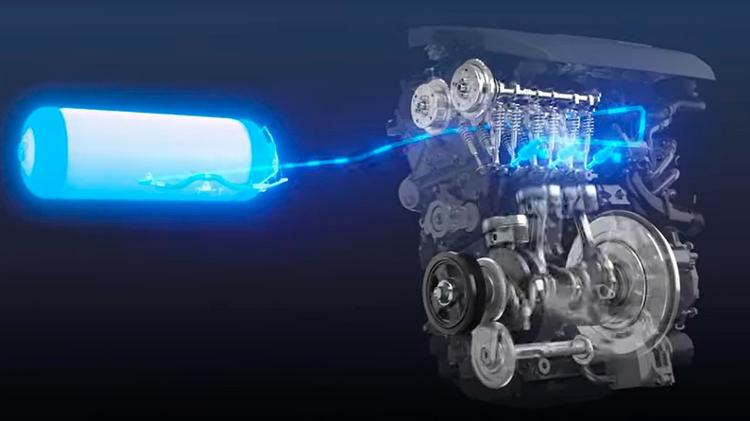
Looking further ahead, green hydrogen is emerging as a long-term investment in the energy transition. The development of hydrogen-powered technologies represents a significant step towards a more sustainable transportation future, though widespread implementation remains some time away.
