
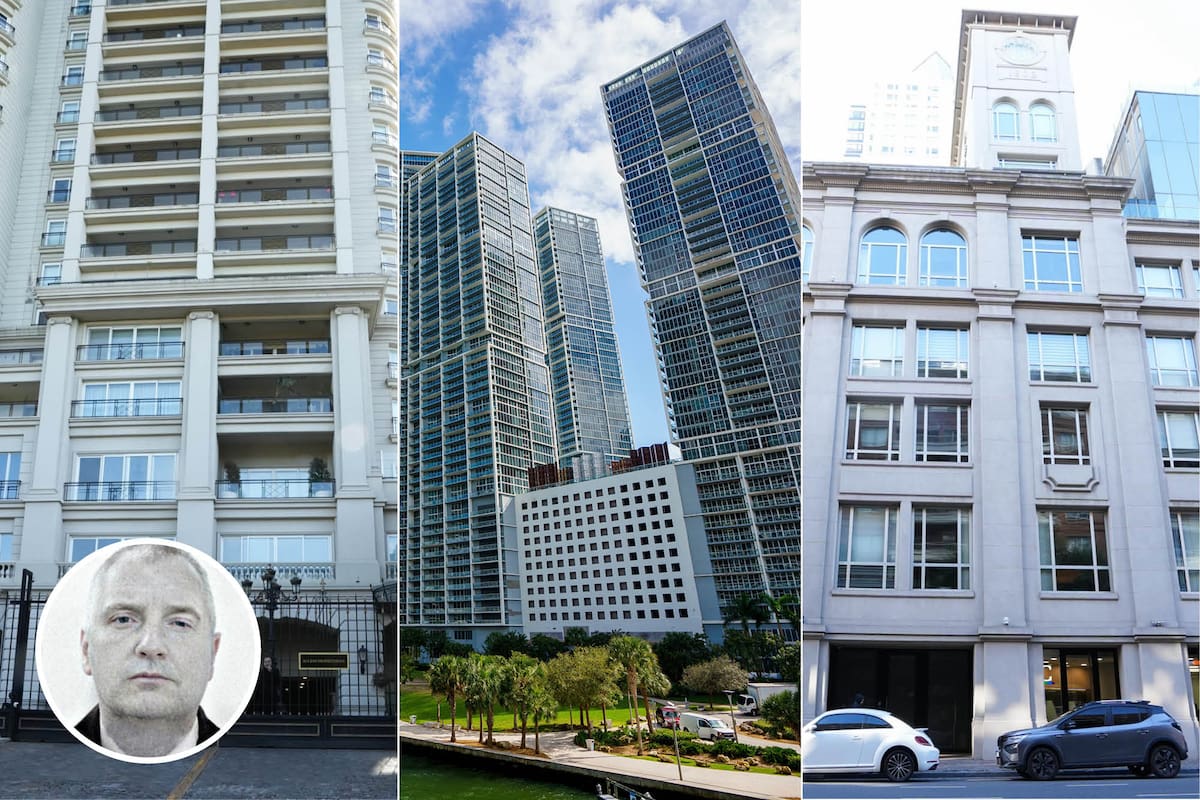
Argentina’s top anti-fraud prosecutor has asked a federal judge to summon the head of the country’s customs and tax enforcement agency for questioning, alleging he concealed ownership of three luxury condominiums in Miami worth more than $2 million.
Andrés Vázquez, who leads the Agency for Revenue Collection and Customs Control (ARCA), is accused of failing to disclose the properties in mandatory financial disclosures submitted to anti-corruption authorities. The case has sent shockwaves through President Javier Milei’s administration, which has positioned itself as a crusader against government graft.
In a 32-page legal filing submitted to Federal Judge Marcelo Martínez De Giorgi on April 27, 2026, Prosecutor Sergio Rodríguez of the Administrative Investigations Prosecutor’s Office (PIA) outlined what he described as a 15-year scheme to hide Vázquez’s assets through a network of shell companies in Argentina and the United States.
Properties Hidden Behind Corporate Veil
According to Rodríguez’s investigation, Vázquez purchased the three Miami condominiums in 2013 but never reported them in his annual financial declarations. The properties, valued at over $2.1 million, were instead registered under offshore entities that prosecutors say Vázquez controlled.
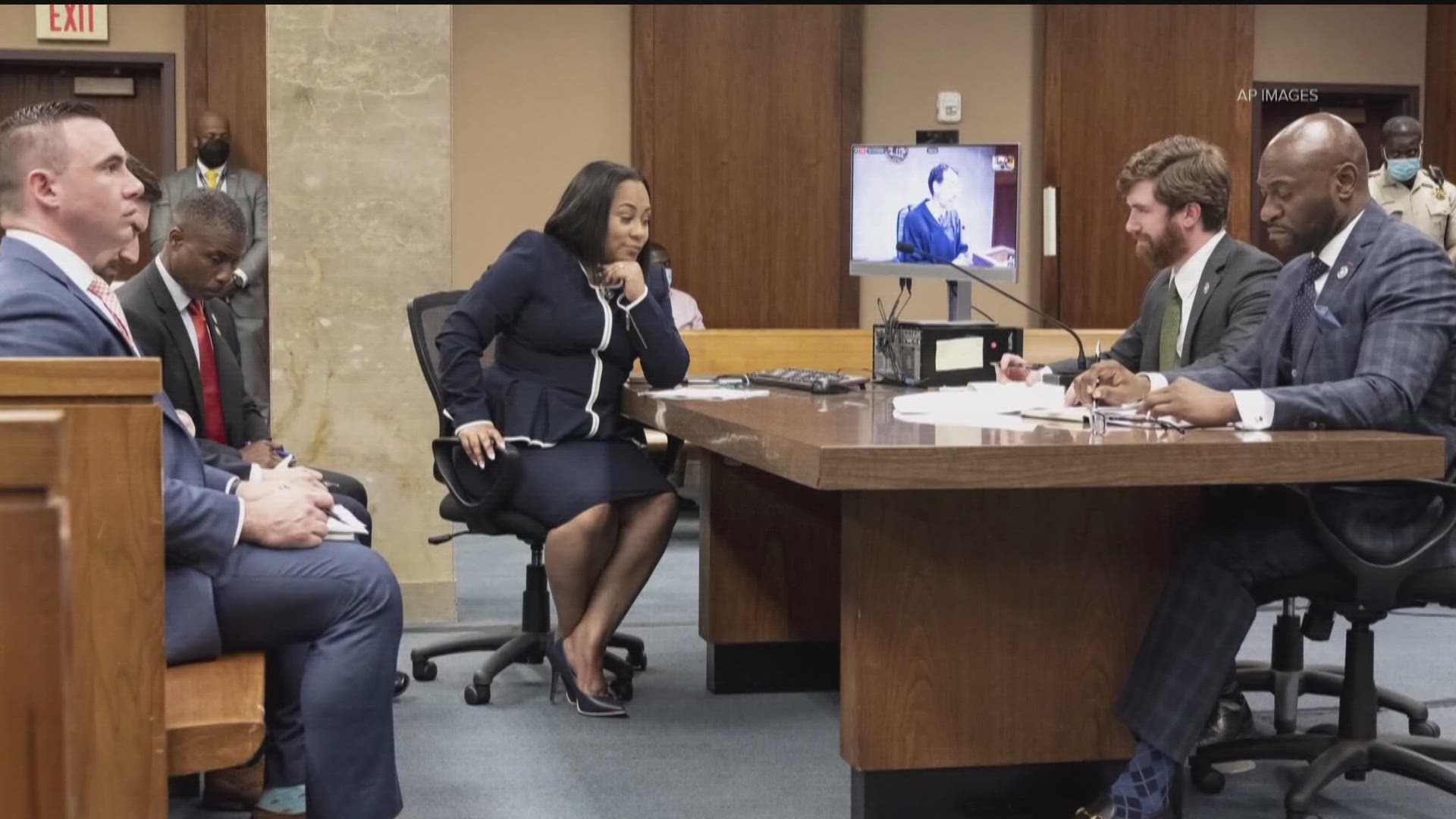
“Andrés Edgardo Vázquez committed the crime of omitting data in his sworn financial statement,” Rodríguez wrote in his request for Vázquez’s formal questioning. “He maliciously avoided disclosing his real connection to companies that hold assets abroad—properties that he and his family have used.”
The prosecutor’s filing details how Vázquez allegedly used a local firm, Consultora San Andrés, as a front to manage his domestic assets. The company, which lists Vázquez as its primary shareholder, has no employees and operates from a building he owns—paying him rent while also financing his personal real estate purchases and vehicle acquisitions for his family.
“A question arises here,” Rodríguez noted in his report. “What services can this firm provide if it has no employees?”
Layered Offshore Network
Prosecutors allege Vázquez constructed a two-tiered corporate structure to obscure his ownership. The first layer involved Argentine entities like Consultora San Andrés, while the second relied on U.S.-based shell companies to hold the Miami properties. The arrangement, Rodríguez argued, was designed to prevent authorities from tracing the assets back to Vázquez.
The case against Vázquez comes as Milei’s government faces mounting scrutiny over financial transparency among its top officials. Just days earlier, Infrastructure Secretary Carlos Frugoni resigned after reports revealed he had failed to disclose seven luxury apartments in the U.S. Meanwhile, Chief of Staff Manuel Adorni is under investigation for discrepancies between his declared assets and his reported travel expenses.
If convicted, Vázquez could face up to two years in prison and a lifetime ban from holding public office. The charges against him include illicit enrichment, tax evasion, and money laundering—crimes that carry far heavier penalties.
Vázquez has not publicly responded to the allegations. ARCA, the agency he leads, is responsible for combating tax evasion and customs fraud, making the accusations particularly damaging for a government that has staked its reputation on rooting out corruption.
The case underscores the challenges Milei’s administration faces in delivering on its anti-corruption promises while maintaining credibility among its own ranks. As Rodríguez’s investigation moves forward, the spotlight on Vázquez’s finances could further erode public trust in an already embattled government.
Judge Martínez De Giorgi has not yet scheduled Vázquez’s formal questioning, but legal observers expect the process to move quickly given the high-profile nature of the case. The outcome could set a precedent for how Argentina’s justice system handles financial misconduct allegations against senior officials.
