
German Auto Club ADAC Reveals Most Failure-Prone Used Cars in 2025 Report
Germany’s largest automotive association has released its latest reliability data, exposing which used car models left drivers stranded most often last year—and the findings may surprise industry watchers.

The ADAC (Allgemeiner Deutscher Automobil-Club) published its Pannenstatistik 2025 report on April 27, 2026, analyzing breakdowns that required roadside assistance across 158 models from 27 brands. The study, based on real-world interventions by the club’s mobile mechanics, offers a stark contrast to traditional technical inspections like those from TÜV or Dekra, which focus on regulatory compliance rather than real-time road failures.
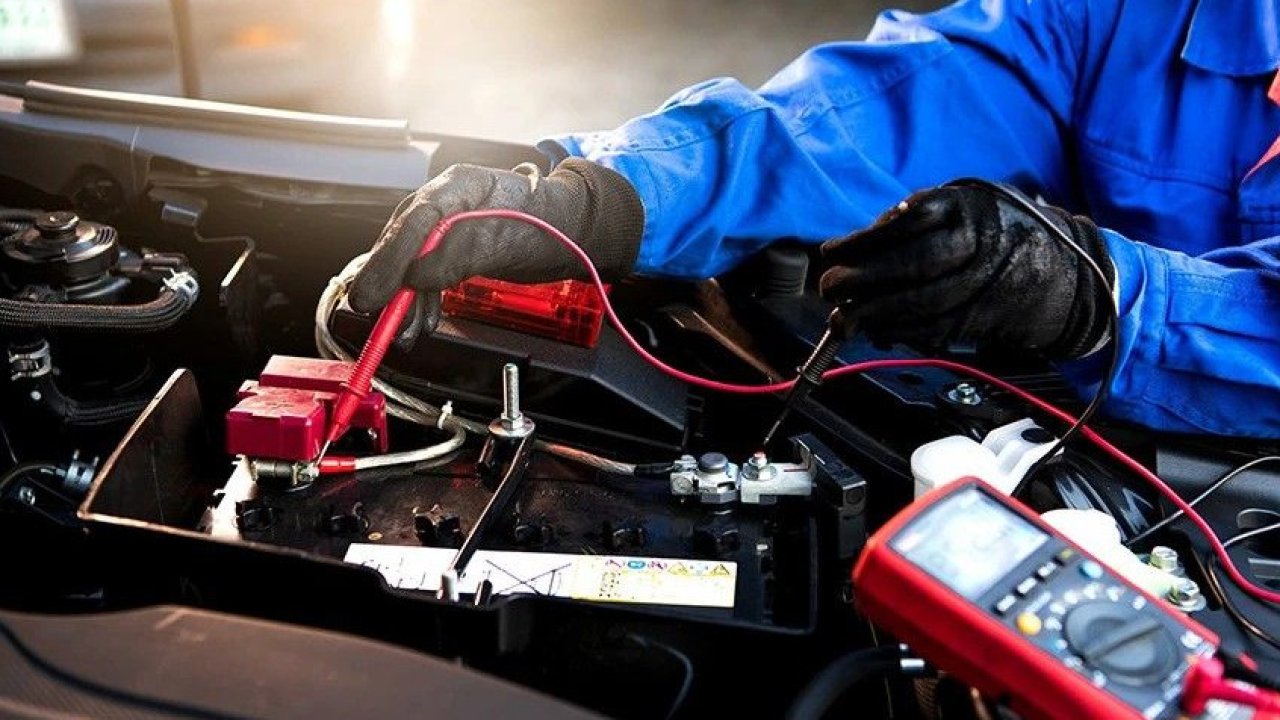
“This report provides a unique snapshot of which vehicles are actually causing unexpected problems for owners,” an ADAC spokesperson noted. The data reveals a clear trend: battery failures emerged as the single most common issue, particularly among Japanese brands that have long been perceived as reliability leaders.
Key Findings: The 14 Models That Broke Down Most Often
The ADAC report highlights 14 used car models that required the most frequent roadside assistance in 2025. While the full list spans seven manufacturers, the data underscores persistent reliability challenges in the pre-owned market—especially for vehicles outside the premium segment.

German automakers dominate the rankings, though not always in the ways consumers might expect. The report suggests that while some domestic brands excel in durability, others struggle with consistent performance as vehicles age. Meanwhile, the struggles of certain Japanese models—particularly those plagued by battery issues—could reshape perceptions among cost-conscious buyers.
“This isn’t just about mechanical failures,” said one industry analyst familiar with the report. “It’s about the hidden costs of ownership, especially for drivers who rely on their cars daily.”
Why Batteries Are Becoming a Major Weakness
The ADAC’s findings align with broader industry concerns about aging vehicle electronics. As cars grow more dependent on complex electrical systems, battery health has become a critical factor in reliability—even for models with otherwise solid track records.
For Japanese automakers, the report serves as a wake-up call. While brands like Toyota and Honda have long been synonymous with longevity, the ADAC data suggests that even their vehicles aren’t immune to electrical gremlins as they accumulate mileage. The report notes that many of the breakdowns occurred in models with higher-than-average battery drain, often linked to modern infotainment systems and hybrid powertrains.
“Consumers often assume that a well-maintained Japanese car will outlast its European counterparts,” said a used-car dealer in Berlin. “But this report shows that even the most reliable brands can have weak points.”
What This Means for Used Car Buyers
The ADAC’s report arrives at a time when used car prices remain elevated across Europe, driven by supply chain disruptions and shifting consumer preferences. For buyers, the data serves as a reminder that reliability isn’t just about brand reputation—it’s about specific models, maintenance histories, and even regional driving conditions.
“A three-year-old car with 30,000 kilometers might seem like a safe bet,” the ADAC report states. “But without a thorough inspection—especially of the electrical system—buyers could be in for unexpected costs.”
The club’s findings similarly underscore the importance of third-party reliability data in an era where automakers’ own quality metrics can vary widely. While some brands tout their internal durability tests, the ADAC’s real-world breakdown statistics offer a more transparent look at how vehicles perform under everyday conditions.
Looking Ahead: A Shifting Reliability Landscape
The 2025 report suggests that the used car market may be entering a novel phase of reliability challenges. As vehicles become more technologically advanced, traditional measures of durability—like engine or transmission longevity—are being overshadowed by electrical and software-related issues.
For automakers, the ADAC’s data could prompt renewed focus on battery management systems and long-term electrical reliability. For consumers, it’s a reminder that even the most trusted brands can have hidden vulnerabilities—especially in the pre-owned market.
“This report isn’t just about which cars break down,” said an ADAC representative. “It’s about helping drivers make smarter choices in a market where reliability is no longer guaranteed.”
