
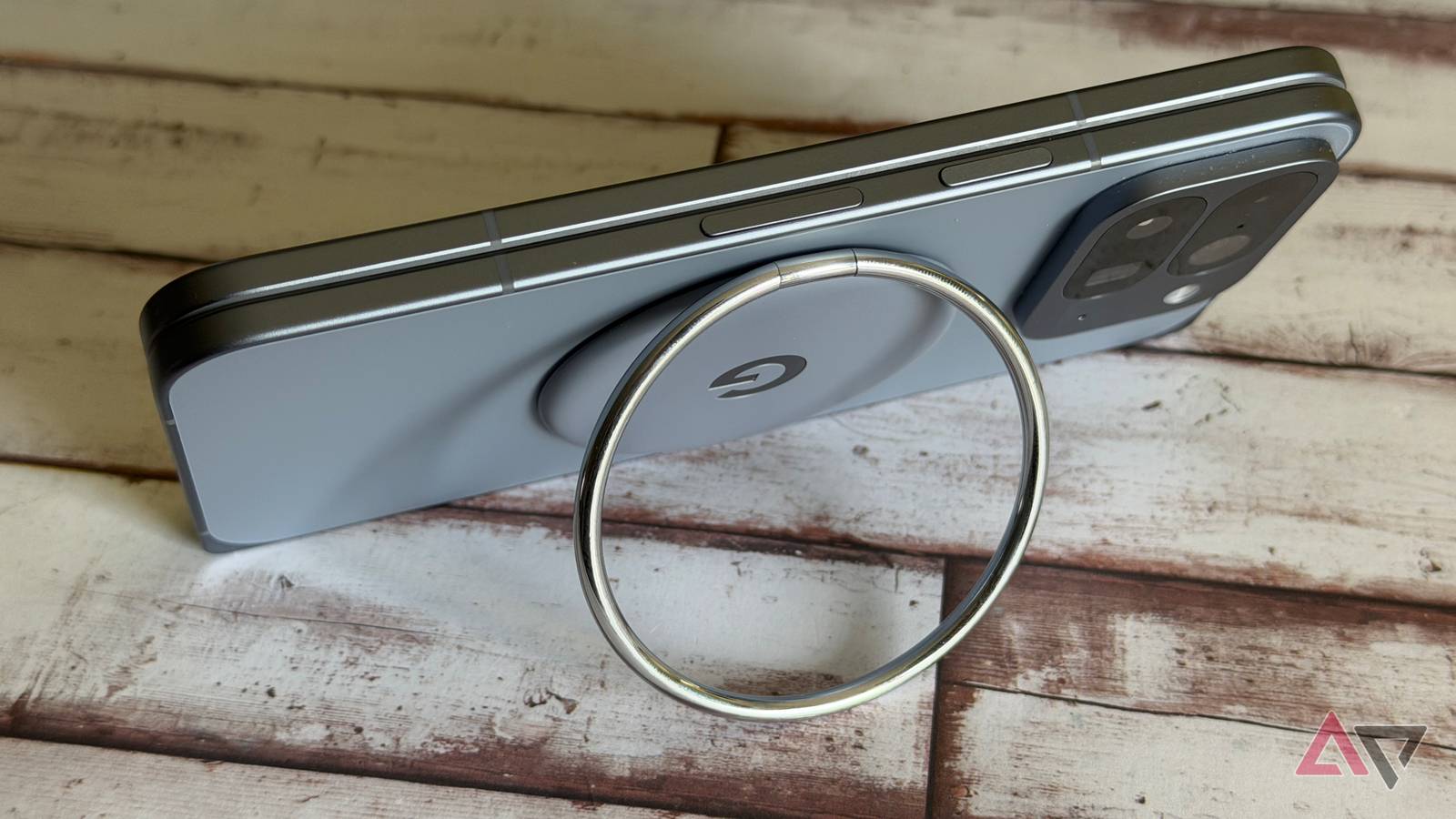
Android Brands Lag Behind on Qi2 Wireless Charging Adoption Due to Patent Restrictions
Major Android smartphone manufacturers are largely bypassing full support for the Qi2 wireless charging standard this year, a development that could slow the widespread adoption of the improved technology.
Finalized by the Wireless Power Consortium (WPC) in the latter half of 2023, Qi2 builds upon Apple’s MagSafe technology, utilizing magnets for precise alignment between devices and chargers – a common frustration with earlier wireless charging iterations. Despite the benefits, adoption has been slow, with Google’s Pixel 10 lineup being the only major Android series to fully embrace the standard this year. Even Samsung opted for “Qi2 Ready” compatibility on its flagship Galaxy S25 Ultra and Z Fold 7, requiring users to utilize cases with integrated magnets.
According to a recent explanation from a member of the Nothing content team, the limited uptake stems from legal complexities and industry politics surrounding the magnetic configurations that optimally support Apple-compatible wireless chargers. These configurations are patented, and developing an alternative system to achieve the same efficiency is proving costly. It’s estimated that creating a fully independent wireless charging system could cost companies as much as $10 million. This is particularly relevant as faster wired charging options remain readily available, diminishing the incentive for investment. You can learn more about the Qi2 standard on the Wireless Power Consortium website.
While smartphone development cycles are lengthy and involve numerous engineering challenges, the financial barriers appear to be a significant deterrent. The situation highlights the potential for proprietary technology to hinder the progress of open standards, impacting consumer choice and innovation in the mobile accessories market. For more information on wireless charging technology, see How-To Geek’s explanation of Qi2.
Officials have indicated that continued evaluation of the cost-benefit analysis will determine future Qi2 support, with a potential for broader adoption in subsequent device generations.
Qi2 is easily one of the best upgrades to wireless charging in recent years. While it does not boost charging speeds, it adds support for built-in magnets, letting your device snap perfectly into place on any compatible accessory. Despite this major leap in user experience, major Android brands have shied away from supporting Qi2 on their phones this year. Turns out, there’s a lot of red tape and politics behind this.
The Wireless Power Consortium (WPC) finalized the Qi2 standard in the second half of 2023. Based on Apple’s MagSafe technology, it uses built-in magnets to solve one of the biggest pain points of wireless charging: proper alignment between the phone and the charger.
Yet, over two years later, there are only a handful of Android devices that support Qi2. Google is the only company to fully embrace Qi2 with the Pixel 10 lineup this year. Otherwise, even Samsung skipped Qi2 support on its flagship devices this year, including the Galaxy S25 Ultra and Z Fold 7, in favor of Qi2 Ready compatibility. The latter requires using cases with built-in magnets to get a Qi2-like experience.
Now, as a member of the Nothing content team explains in a video on their YouTube channel, the poor Qi2 adoption comes down to legal red tape and industry politics.
Even though Qi2 is a wireless standard that anyone can use, the magnet configurations that optimally support Apple compatible wireless chargers are patented and restricted. The only way to get around this is to develop your own magnetic wireless charger to work with your device, but because the magnets in your device are not the exact same configuration as Apple’s Magsafe, there’s a good chance the coils may not be perfectly aligned, and you won’t get the optimized charge speed, and you’ll generate more heat.
So it seems a lot of companies have probably weighed out the pros and cons of doing this. But the reality is, it’s just not worth it for them, especially when wired charging solutions are so much faster.
Supposedly, it will cost companies as much as $10 million to develop their own wireless charging system.
While that might seem a relatively small amount in the grand scheme of things, it might be too steep an investment for many companies.
There could be more to Qi2 support than meets the eye
It’s hard to fully buy the explanation from Nothing’s content team member about the poor Qi2 adoption on Android phones.
Smartphone development is a multi-year cycle, and it can sometimes take years for small changes to show up on the final unit. While adding Qi2 support might sound simple — just a matter of placing circular magnets on the back — in reality, there are several engineering and design challenges.
Nothing’s explanation regarding poor Qi2 adoption among Android smartphone makers might hold some truth, but it’s unlikely to be the only factor at play.
