
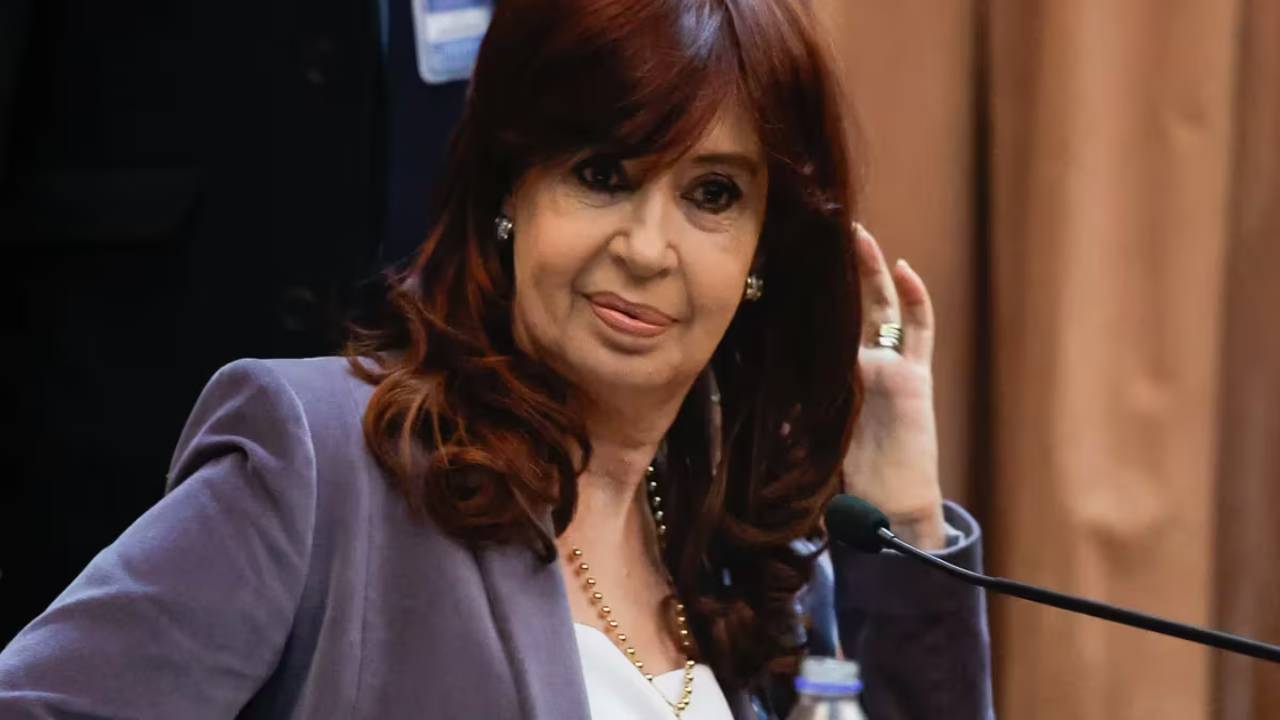
Argentine authorities are moving to seize assets from former President Cristina Fernández de Kirchner, her children, and a close business associate following a conviction for corruption related to large-scale public works projects. Teh asset forfeiture, authorized by Federal Oral Court Number 2, aims to recover nearly $600 million in penalties linked to the “Vialidad” case, in which Kirchner was already sentenced to six years of house arrest [[1]]. This action is the latest development in a series of legal challenges facing the former leader and reflects increasing international scrutiny of corruption among Latin American political figures [[2]], as well as a recent order to pay back funds related to the fraud case [[3]].
Argentine authorities have ordered the seizure of assets belonging to former President Cristina Fernández de Kirchner, her children, and a businessman, as part of a corruption conviction that has gripped the nation. The move comes as scrutiny intensifies over alleged illicit enrichment among Latin American leaders and the pursuit of accountability in high-profile corruption cases.
Federal Oral Court Number 2 in Argentina authorized the confiscation of properties owned by Fernández de Kirchner, her children Máximo and Florencia, and businessman Lázaro Báez, to cover nearly $600 million in penalties related to the “Vialidad” case. Fernández de Kirchner is currently serving a six-year prison sentence under house arrest as a result of the conviction.
The initial list of assets targeted for seizure includes land, apartments, a boutique hotel, and residential homes. In total, 20 properties will be transferred to the Supreme Court, which will determine their final disposition.
More than 80 properties belonging to Lázaro Báez are also subject to confiscation. “Between them (Fernández and Báez) – said the court that advanced with the process – there was an economic interconnection in which both benefited from the corruption scheme.”
The court indicated that the seized assets could be used to compensate those directly or indirectly harmed by the corruption. This action aims to provide a form of restitution to victims of the alleged wrongdoing.
The development underscores the ongoing efforts to address corruption within Argentina’s political and economic spheres. The case has drawn significant public attention and fueled debate about transparency and accountability in government.
