
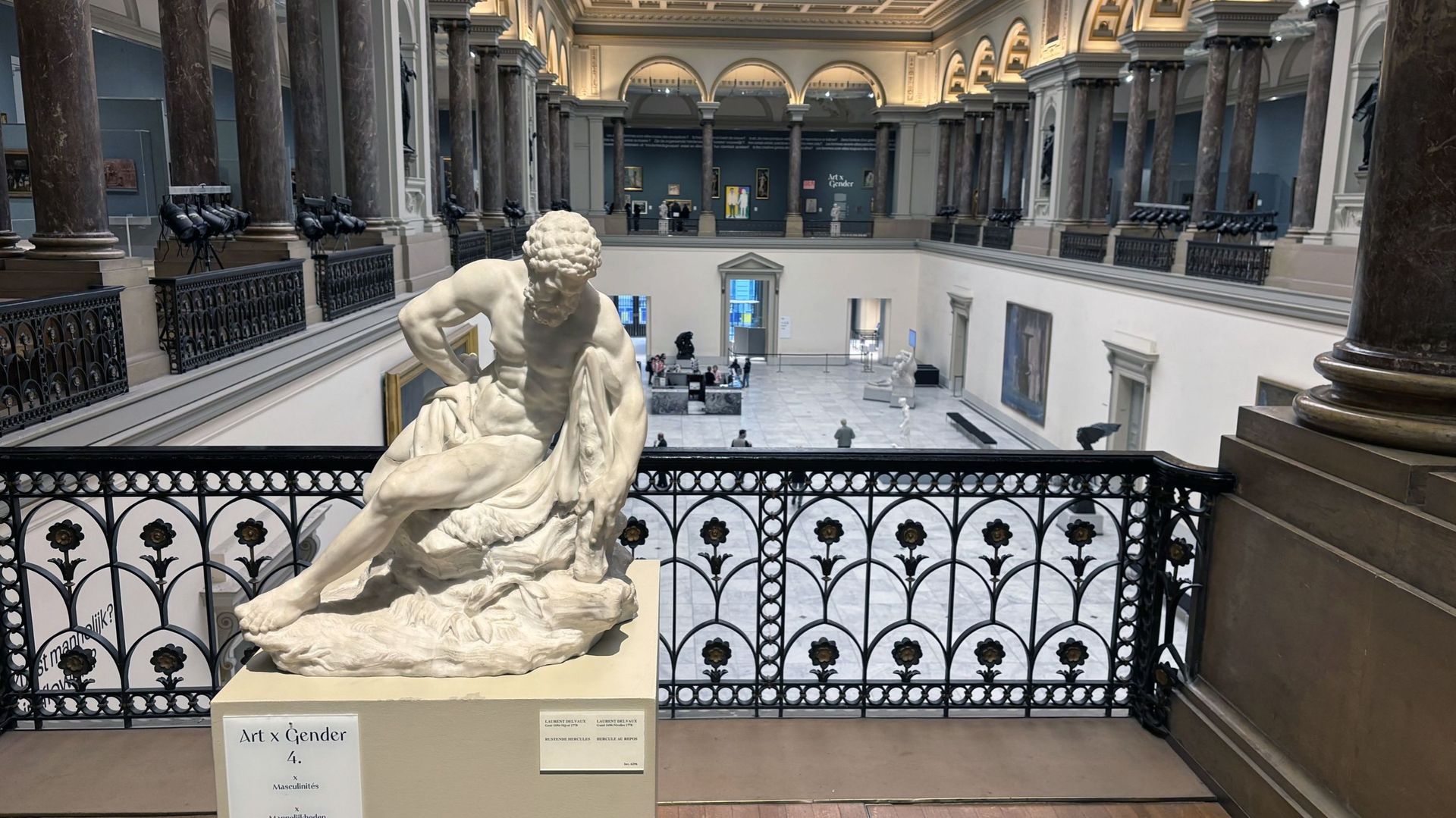
A new exhibition at France’s national museums is sparking debate by directly confronting viewers with challenging questions about art, gender, and portrayal. “Art x Gender,” on view through April 19, 2026, features works spanning centuries and utilizes provocative curation-including the intentional positioning of portraits to highlight issues of objectification-to encourage critical engagement with traditionally accepted artistic interpretations. The exhibit builds on a recent wave of self-scrutiny within French cultural institutions regarding past accountability and inclusivity, following prior efforts focused on the repatriation of looted artifacts [[1]]. The show reflects a growing trend of museums moving beyond passive display to actively facilitate dialog around complex social issues [[3]].
Visitors to a new exhibition are being challenged to reconsider long-held assumptions about art and representation, with questions posed directly to the artwork itself. The exhibition, titled “Art x Gender,” invites audiences to explore 16 thematic sections featuring sculptures and paintings, prompting reflection on topics ranging from the color pink to the complexities of infidelity, muses, and masculinity.
A series of questions are prominently displayed throughout the exhibit, designed to encourage critical thinking. “A woman must necessarily be nude to enter the museum?” reads one, positioned near Pierre Bonnard’s “Nu à contre-jour.” Historian and co-curator Audrey Lasserre notes that these questions “weigh on the works and on us.”
The exhibition doesn’t shy away from difficult conversations. Three paintings from different centuries are presented together to examine the concepts of consent and the history of sexual violence. Co-curator Géraldine Barbery, also an historian, explained that the portraits were intentionally hung “so that the chests (of women) are at eye level.” This deliberate arrangement aims to provoke a direct engagement with the subject matter.
To facilitate these complex discussions, approximately twenty guides have undergone specialized training. Their role is to support visitor reflection, particularly during school group visits. The exhibition’s approach reflects a broader trend within museums to actively engage with social issues and encourage dialogue.
Beyond the exhibit itself, a series of lectures are planned, along with a “Special Day” on an unspecified date featuring performances, a guided tour, and a poetic exploration of the themes.
“Art x Gender,” which will be on view through April 19, 2026, marks a new phase in the self-examination occurring within France’s federal museums. This introspection began in 2021 with inquiries into the restitution of cultural property looted during World War II, and subsequently, during the colonial era.
