

Infant reflux is a common concern for new parents, but often it’s a normal, temporary condition. According to experts, understanding the signs and knowing when to seek medical attention is crucial for ensuring a baby’s health and well-being. Reflux can cause discomfort for infants and anxiety for caregivers, but in many cases, it resolves on its own.
What Causes Reflux in Babies?
Several factors contribute to reflux in infants. A specialist explained that the mechanism between the stomach and esophagus may not be fully developed, the esophagus can be short and narrow, and stomach muscles may not yet be strong enough to prevent backflow. Feeding a baby in a horizontal position and consuming liquids can also make reflux more likely.
Breastfeeding Offers Protective Benefits
Babies who are breastfed tend to experience less frequent and milder cases of reflux. A specialist noted that breast milk remains more fluid in the stomach, reducing pressure, and is easier to digest, leading to quicker emptying of the stomach. These infants also experience less gas and constipation.
Formula-Fed Babies May Be at Higher Risk
Reflux symptoms are more commonly reported in babies fed formula. The specialist explained that formula digests more slowly, stays in the stomach longer, and can cause increased gas production.
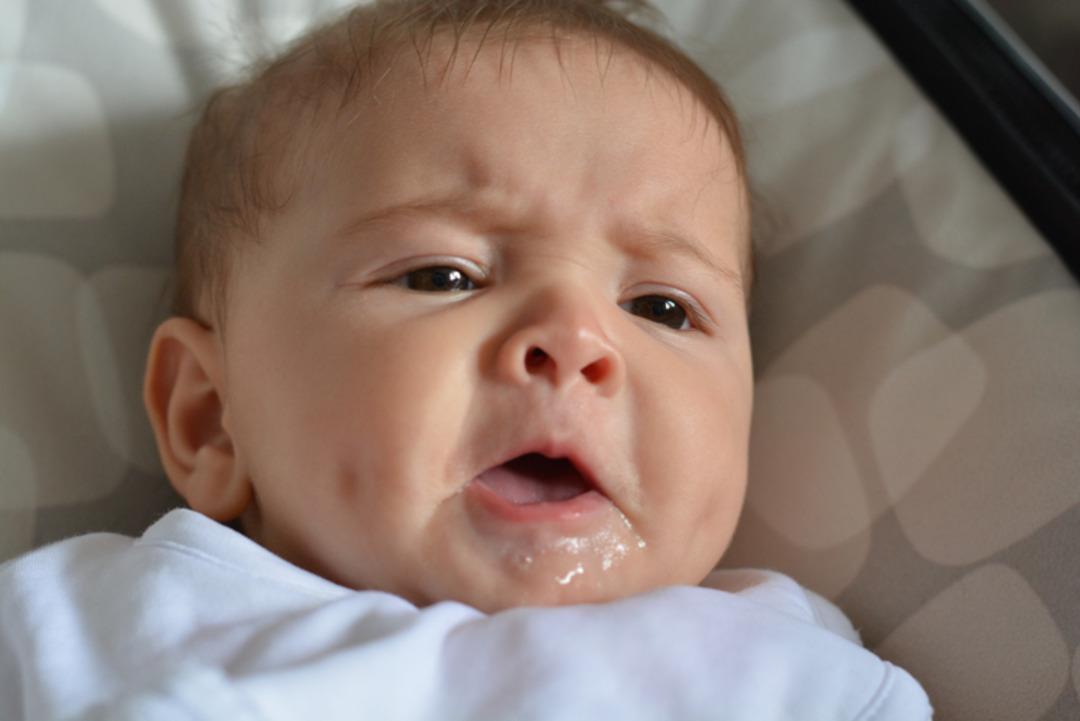
Overfeeding Can Trigger Symptoms
Overfeeding can increase pressure within the stomach, making reflux more likely. “As the stomach fills, the valve is more easily relaxed, and milk can flow back up,” a specialist said. “This can increase vomiting and fussiness.”
Distinguishing Reflux from Gas Pains
It can be challenging to differentiate between reflux and gas pains, as both can cause similar symptoms. A specialist pointed out that fussiness, crying, releasing from the breast or bottle during feeding, arching the back, vomiting, and bringing up milk are common to both conditions. However, gas pains typically worsen in the evening hours.

When to Seek Medical Attention
While some degree of reflux is normal, certain symptoms warrant immediate medical attention. A specialist outlined normal occurrences as minor amounts of milk coming up after feeding, good weight gain, brief periods of fussiness, hiccups, and relief when held upright. However, parents should seek care if they observe forceful vomiting, green or bloody vomit, failure to gain weight or weight loss, persistent and severe crying, refusal to feed, frequent coughing, bluish skin discoloration, or difficulty swallowing, or breathing attacks.
The specialist emphasized that reflux continuing after one year of age is not considered normal.
Diagnosis and Treatment
In most cases, a diagnosis of reflux can be made based on a review of the baby’s history and a physical examination. A specialist explained that, if needed, a 24-hour pH monitoring study, endoscopy, or barium swallow may be performed.
Treatment is tailored to the severity of the symptoms. Recommendations include frequent, small feedings, avoiding forcing a baby to finish a bottle, using a slow-flow nipple, holding the baby upright for 20-30 minutes after feeding, and burping after each feeding. In some cases, a doctor may recommend reflux formulas or thickening agents. For some babies, cow’s milk protein allergy may contribute to reflux, requiring a specialized formula.

Reflux Typically Resolves on Its Own
In cases of physiological reflux, symptoms typically peak around 3-4 months of age, decrease after 6 months, and resolve by 12-18 months. A specialist noted that cases persisting beyond two years of age are considered gastroesophageal reflux disease.
Common Parental Mistakes
A specialist cautioned against assuming every instance of vomiting is normal, stopping feeding with every episode of vomiting, overfeeding a baby who seems to be hungry, laying a baby down immediately after feeding, failing to burp the baby, neglecting the mother’s diet, and using medication without a doctor’s guidance.

Untreated Reflux Can Lead to Complications
Untreated reflux can lead to serious problems. A specialist warned that persistent crying, feeding refusal, poor weight gain, bloody vomit, recurrent bronchitis, and pneumonia can occur. Damage to the esophagus, and iron deficiency can also develop.
