
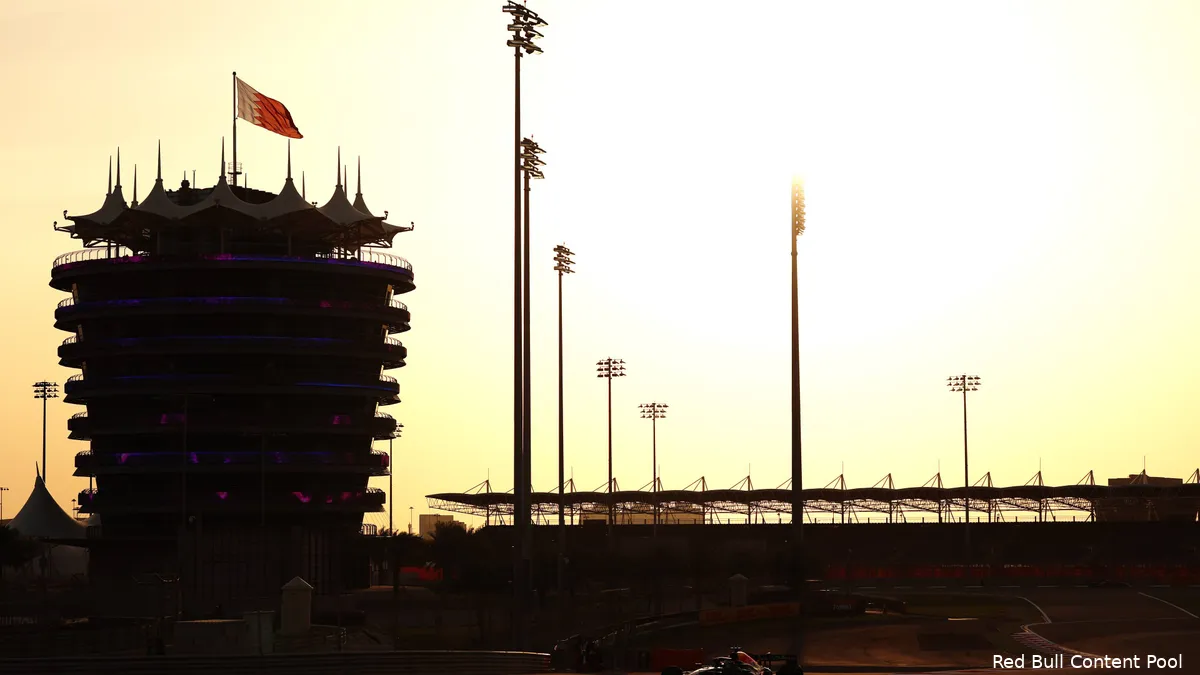
The Dutch government has deemed travel to Bahrain currently too dangerous and is urging the cancellation of the Formula 1 race scheduled for April 12th if the security situation does not improve. The call comes amid escalating conflict in the Middle East, following attacks by Iran in response to joint military actions by the United States and Israel.
Iran launched missile and drone strikes against Bahrain, a key location for U.S. Military bases in the Persian Gulf. These attacks prompted the immediate cancellation of a wet weather tire test by Pirelli, a major supplier to Formula 1 racing. Personnel from McLaren, Mercedes, and Pirelli remain in Manama, the capital of Bahrain, as of today.
In response to the heightened instability, the Dutch Ministry of Foreign Affairs has issued its highest-level travel advisory for Bahrain, advising citizens “Do not travel!”
The Ministry’s website states that travel to Bahrain is currently unsafe, strongly discouraging Dutch citizens from visiting. It also notes that the Dutch embassy’s ability to provide assistance is limited due to airspace closures and the ongoing threat of further attacks from Iran.
“On February 28, 2026, Israel and the United States attacked targets in Iran. Since then, there have been retaliatory attacks from Iran throughout the region. This has led to the temporary closure of Bahrain’s airspace and the closure of Manama Airport, making international flights impossible. The travel advisory for Bahrain is now red. Whatever your situation, do not travel there. It is too dangerous. The Dutch embassy cannot help you if you get into trouble. If you are currently in Bahrain, leave the country if you can do so safely,” the Ministry of Foreign Affairs stated.
The Dutch government has expressed no doubt that the Bahrain race cannot proceed if the situation does not improve before April 10th. FIA President Mohammed Ben Sulayem is also closely monitoring the situation, and has indicated that a decision regarding the races in the Middle East in April will be made shortly. The potential disruption to the Formula 1 calendar underscores the broader economic risks associated with geopolitical instability in the region.
©Buitenlandse Zaken
