

As concerns over online privacy and data security continue to grow, virtual Private Networks (VPNs) have become increasingly essential tools for internet users worldwide. A key metric often touted by VPN providers is the number of servers they maintain, frequently presented as a direct indicator of service quality and reliability. This report examines a new ranking of VPN providers by server count,revealing which companies boast the largest networks and,crucially,what that actually means for users seeking a secure and speedy connection.
The number of servers offered is a key selling point for many VPN providers, often presented as an indicator of service quality. While server count is important, here’s a look at which VPNs stand out in this regard.
VPN providers frequently highlight server numbers – 3,000, 5,000, or even 10,000 – as a key metric for potential users. However, the importance of server count isn’t always straightforward, and some VPNs have even stopped publishing this information. As VPNs become increasingly vital for online privacy and security, understanding the infrastructure behind them is crucial.
Before diving into the rankings, it’s important to note that server count isn’t the sole determinant of a VPN’s quality. For example, a market leader has a server park five times smaller than the top provider in this ranking, yet remains highly regarded for its performance.
Here’s a ranking of VPNs by server count, listed from smallest to largest.
VPNs Ranked by Server Count
Table of Contents
5. NordVPN: +8400 Servers in 129 Countries
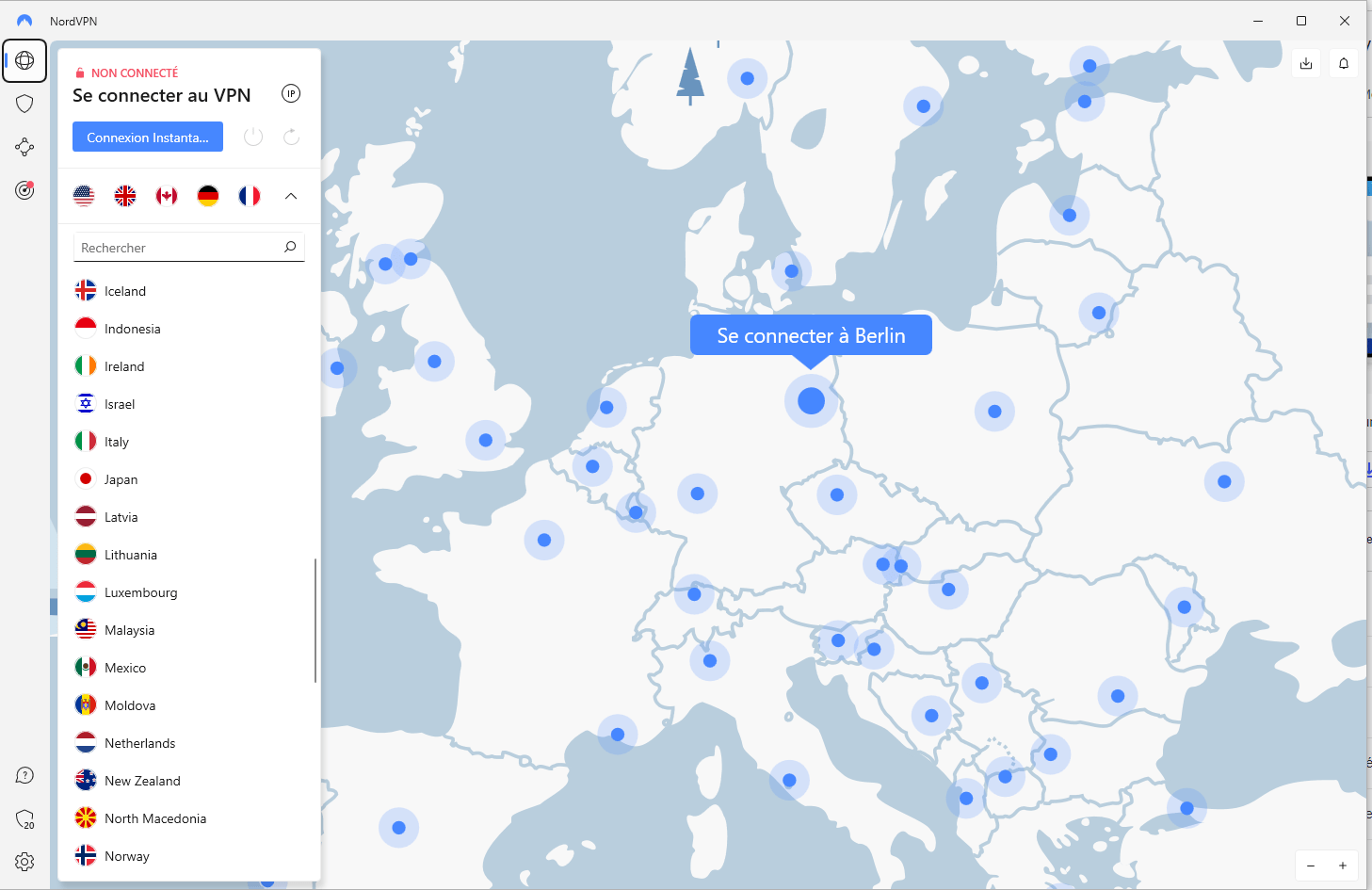
The number one VPN in the market ranks fifth in this list, with more than 8,400 servers spread across 129 countries. NordVPN boasts the best geographical distribution of servers among those listed. But the server park isn’t NordVPN’s only strength.
For years, the provider has emphasized unlimited bandwidth, along with cutting-edge protocols like WireGuard and NordLynx. It also offers a comprehensive suite of features, ranging from a Mesh network to a password manager and a secure cloud.
4. X-VPN: +10,000 Servers in 80 Countries
X-VPN isn’t one of the most well-known providers, but it claims one of the largest server parks with over 10,000 servers in 80 countries. While the geographical coverage isn’t extensive, it’s not the worst, especially considering concerns about the VPN’s reliability.

A power bank to charge them all
It’s Black Friday! Anker is lowering the price of its 25,000 mAh power bank. With its 2 integrated cables and a total power of 165 watts, it can charge almost all your devices, wherever you are.

While X-VPN’s performance and ability to bypass geo-restrictions are appreciated, concerns have been raised regarding security and transparency. Experts have identified potential DNS leak vulnerabilities, instability in countries like China and Iran, and a lack of transparency surrounding its proprietary protocols.
3. CyberGhost VPN: +11,000 Servers in +100 Countries
CyberGhost VPN hasn’t updated its server count in several months, but currently claims one of the largest server parks on the market – nearly 12,000 servers in over 100 countries. These servers are located worldwide.
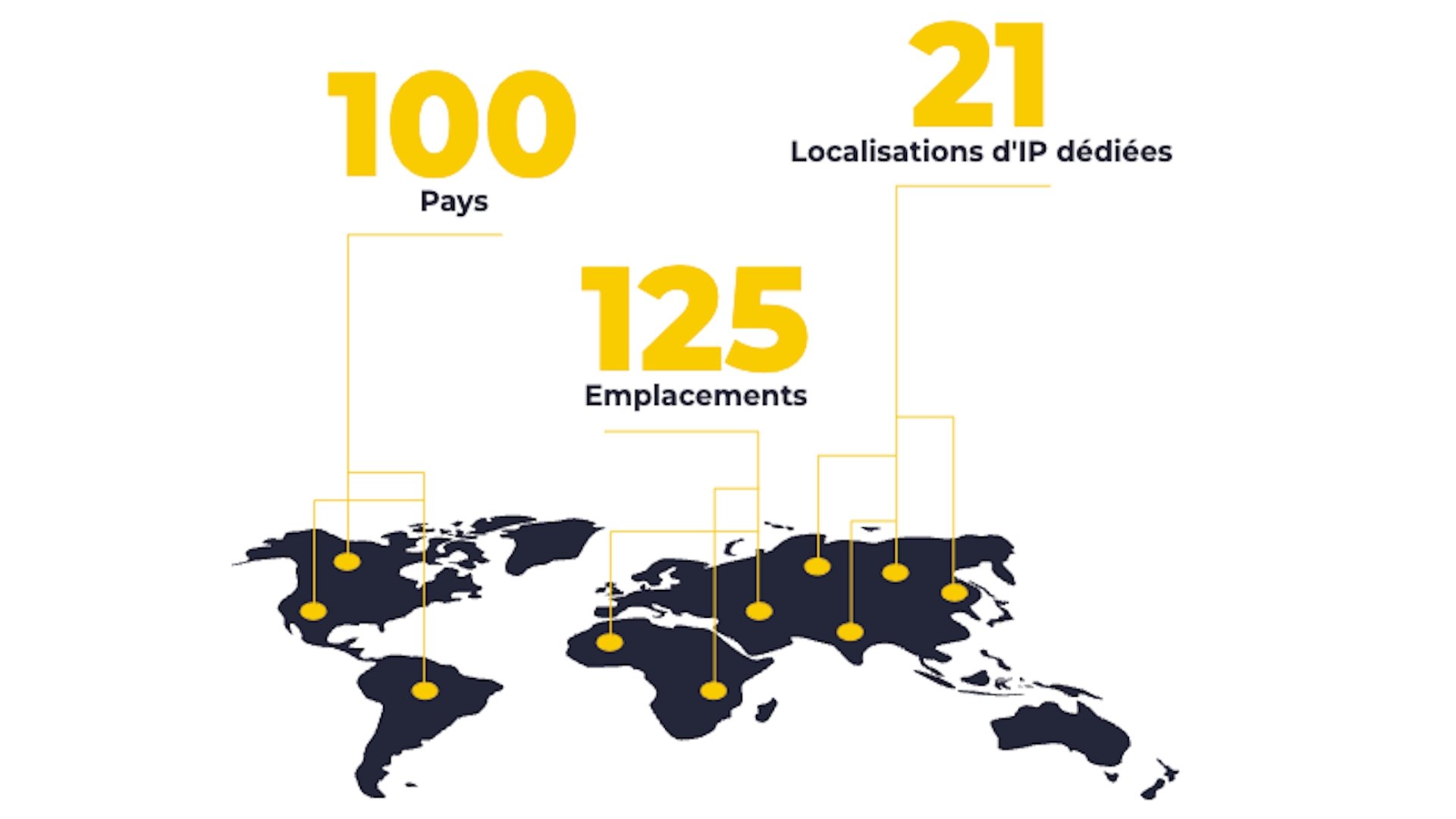
CyberGhost VPN even highlights lists of servers dedicated to bypassing specific geo-restrictions, allowing users to access content from services like Netflix US or channels from the UK, Korea, or Italy that are unavailable in France.
2. Proton VPN: +16,000 Servers in 127 Countries
Proton VPN has emerged as a serious alternative to established players like NordVPN and ExpressVPN. It currently claims almost 17,000 servers across 127 countries. Some servers (“Plus” servers) can handle speeds up to 10 Gb/s, while others (“Secure Core” servers) route traffic only through privacy-respecting countries. The growing demand for secure online services is driving innovation in the VPN space.

In addition to the second-largest server park on the market, Proton offers a suite of privacy-focused tools, including an email service, calendar, password manager, cloud storage, encrypted collaboration space, and, most recently, an AI assistant.
Read also:
I left Gmail, 1Password, NordVPN and Google Drive for Proton and you might want to do the same
1. Private Internet Access (PIA): +35,000 Servers in 91 Countries
Topping this ranking is PIA, which reportedly has 35,000 servers distributed across 91 countries. This figure is an estimate from experts, as the provider itself doesn’t publicly disclose its server count. If accurate, Private Internet Access would have the largest server park of any VPN on the market.

Today, PIA is praised for its performance, reliability, ease of use, multi-platform compatibility, and value for money. However, the provider is based in the United States, which runs counter to the principles of online privacy and confidentiality – a characteristic that may deter privacy-conscious users.
Other Notable VPNs
Several VPN providers were not included in this ranking because they prioritize global coverage and infrastructure performance over server count, or haven’t yet scaled their networks to the same extent:
- ExpressVPN: +3,000 servers in 105 countries
- Hide.me: +2,600 servers in 91 “locations” (not countries)
- HideMyAss: +3,400 servers in +65 countries
- IPVanish: +3,200 servers in 113 countries
- Mozilla VPN: +500 servers in +30 countries
- Mullvad VPN: +700 servers in 50 countries
- PureVPN: +6,000 servers in +65 countries
- Surfshark: +4,500 servers in +100 countries
- TunnelBear: +8,000 servers in +45 countries
- VyprVPN: +700 servers in 62 countries
- Windscribe: +500 servers in 69 countries
Is Server Count Important for a VPN?
With an equal number of users, a VPN with more than 10,000 servers is generally preferable to one with 500. Therefore, server count is an important factor when choosing a VPN, but it’s not the only one. It can be a significant indicator depending on individual needs, but other users may prioritize performance over coverage.
A VPN with more servers is logically more “available,” less prone to traffic congestion, and generally more stable. It also provides more backup options if several servers are down. From a privacy perspective, a larger number of servers means a greater variety of IP addresses, making it more difficult to track users.

However, geographical distribution is also crucial. A VPN with 3,000 servers spread across 120 countries may be more appealing than one with 10,000 servers in fewer than 50 countries. This allows for bypassing more geo-restrictions and provides more options nearby to minimize the speed decrease caused by the VPN connection.
Ultimately, a VPN’s performance isn’t solely defined by server count or geographical distribution. The infrastructure deployed by the VPN provider is even more important. Factors like available protocols, server quality, cybersecurity features, and the provider’s location are all decisive factors when choosing a VPN.
