
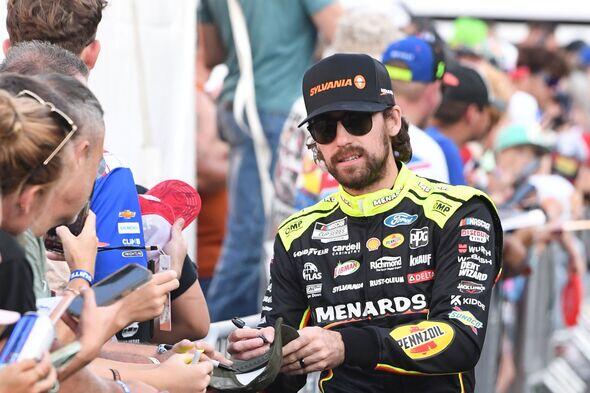
In a sport often defined by aggressive driving and intense rivalries, can a “nice guy” truly win? This article explores the surprising potential of respect and sportsmanship as a competitive edge in NASCAR, examining how drivers like Ryan Blaney are proving that the “nice guy” approach can lead to long-term success. Discover how this evolving dynamic of respect in NASCAR is reshaping the sport and what it means for the future of racing.
The “Nice Guy” in NASCAR: Is Respect the New Competitive Edge?
Table of Contents
NASCAR, a sport known for its high-speed drama and intense rivalries, often celebrates the aggressive, no-holds-barred approach to racing. However, a different narrative is emerging, one where respect and sportsmanship might be the keys to long-term success. This article delves into the evolving dynamics of NASCAR, exploring whether the “nice guy” approach, as exemplified by drivers like Ryan Blaney, can thrive in a fiercely competitive environment.
The Rise of the Respectful Racer
Ryan Blaney, with 15 Cup Series wins and a championship under his belt, has become a prominent figure in NASCAR.His approach, often described as respectful and clean, challenges the traditional image of the aggressive racer. Blaney’s philosophy, rooted in the values instilled by his father, Dave Blaney, emphasizes giving respect and expecting it in return. This approach, while seemingly counterintuitive in a sport where contact is common, has allowed him to build strong relationships with fellow drivers and fans alike.
This shift towards respect isn’t just about personal preference; it’s also about strategy. In a sport where every position matters, avoiding unneeded contact can save valuable time and resources. Clean racing minimizes the risk of damage to the car, allowing drivers to maintain their speed and consistency throughout the race.
The Counterargument: Does Niceness Hinder Success?
despite the benefits of a respectful approach, some argue that it can be a disadvantage. Kyle Petty, a former NASCAR driver and analyst, has suggested that Blaney’s “niceness” might be exploited by other drivers. The perception is that some racers might take advantage of Blaney’s reluctance to engage in aggressive tactics, potentially hindering his ability to secure wins.
This viewpoint highlights a fundamental tension in NASCAR: the balance between sportsmanship and competitiveness. While respect is valued, the ultimate goal is to win, and some drivers may believe that aggressive tactics are necessary to achieve that goal.
The Future of NASCAR: A Blend of Respect and competition
The future of NASCAR likely lies in a blend of both approaches. As the sport evolves, drivers are increasingly recognizing the value of strategic racing. This involves not only avoiding unnecessary contact but also building relationships with competitors.
The rise of data analytics and advanced technology is also playing a role.Teams are using data to optimize their strategies,including how drivers interact with each other on the track. This data-driven approach is likely to further refine the balance between aggression and respect.
Pro Tip: Pay attention to how drivers interact with each other during and after races. These interactions can provide valuable insights into the evolving dynamics of the sport.
Case Study: Matt Kenseth’s approach
Matt Kenseth, a former NASCAR champion, offers an captivating perspective on this dynamic.Kenseth,known for his calm demeanor,was not afraid to retaliate when he felt he was wronged on the track.This approach, as he explained on Dale Earnhardt Jr.’s podcast, was about sending a clear message: “I don’t really like running into guys, but I really don’t like getting run into, so I would just hit you twice as hard, and that’s the end of it.” This demonstrates that even drivers who prioritize respect can still assert themselves when necessary.
Did you know?
-
Ryan Blaney’s father, Dave Blaney, also raced in the Cup Series for 17 years, instilling a sense of respect in his son’s racing style.
-
The use of data analytics is becoming increasingly important in NASCAR, influencing driver strategies and interactions.
Q: Is being “nice” a disadvantage in NASCAR?
A: It can be, but it also has advantages, such as building relationships and avoiding unnecessary damage.
Q: How is technology changing driver interactions?
A: Data analytics and advanced technology are helping teams optimize strategies, including how drivers interact on the track.
Q: What is the future of NASCAR?
A: A blend of respect, strategic racing, and data-driven decision-making.
The evolution of NASCAR is a fascinating story of strategy, skill, and sportsmanship. As the sport continues to evolve, the balance between aggression and respect will be a key factor in determining who succeeds.
What are your thoughts on the “nice guy” approach in NASCAR? Share your opinions in the comments below!
