
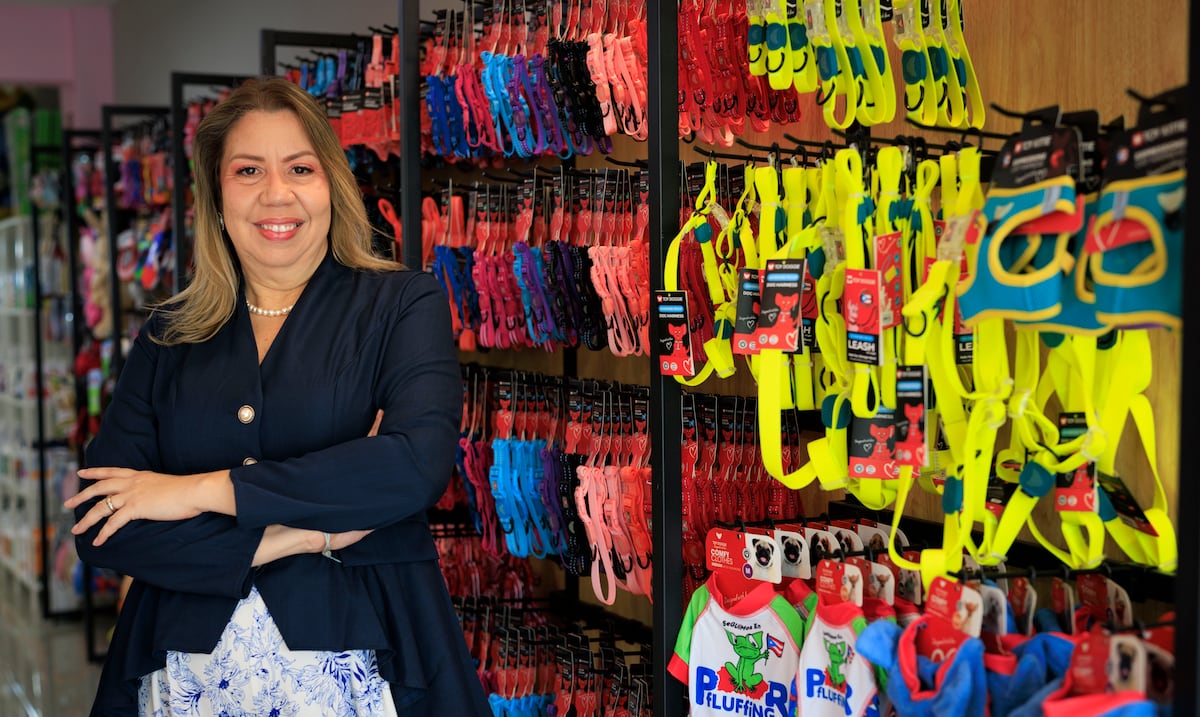
From Home Remedy to Million-Dollar Business: How a Puerto Rican Pet Brand Built a Niche Empire
SAN LORENZO, Puerto Rico — What began as a simple solution to keep a pet chihuahua warm has grown into a thriving enterprise generating millions in annual revenue, showcasing how a local innovation can evolve into a full-fledged business success story.
Toy Doggie, a Puerto Rico-based company specializing in clothing and accessories for dogs and cats, has spent the past 14 years transforming a modest idea into a profitable venture. The company, headquartered in San Lorenzo, has carved out a niche in the competitive pet products market by focusing on stylish, functional designs tailored to small breeds.
The brand’s origin story traces back to a practical need: ensuring a chihuahua maintained a comfortable body temperature. Over time, that initial product idea expanded into a broader line of pet apparel and accessories, reflecting both consumer demand and the company’s ability to adapt to market trends.
While exact financial figures remain undisclosed, Toy Doggie’s growth trajectory underscores the potential of specialized pet businesses in an industry that continues to see rising consumer spending. The global pet care market, valued at over $260 billion in 2023, has become a key segment for investors and entrepreneurs alike, with small and medium-sized enterprises often leading innovation in product design and customer engagement.
For Toy Doggie, the journey from a single product to a multi-million-dollar operation highlights the importance of local entrepreneurship in driving economic activity. The company’s success also reflects broader trends in the pet industry, where consumers increasingly view their animals as family members and are willing to invest in high-quality, personalized products.
Based in Puerto Rico, Toy Doggie operates within a unique business environment that balances local manufacturing with access to broader markets. The island’s strategic location and skilled workforce have long supported small businesses in scaling their operations, and Toy Doggie appears to be leveraging these advantages to expand its reach.
As the company continues to grow, its story serves as a case study in how niche markets can yield significant returns when paired with a clear value proposition and responsive business strategy. While the pet industry remains highly competitive, Toy Doggie’s ability to sustain growth over more than a decade suggests a strong foundation for future expansion.
The company’s evolution also offers insights into the broader economic landscape of Puerto Rico, where small businesses play a critical role in job creation and innovation. As global supply chains and consumer preferences continue to shift, companies like Toy Doggie demonstrate the resilience and adaptability required to thrive in dynamic markets.
For now, Toy Doggie remains focused on its core mission: providing stylish, functional products for pets while building a brand that resonates with owners who prioritize quality and design. As the pet industry shows no signs of slowing down, the company’s next chapter could further solidify its position as a leader in the space.
