

U.S. Army Recovers Body of Soldier Missing in Morocco; Search Continues for Second Service Member
The U.S. Army announced Sunday, May 10, 2026, that the body of First Lieutenant Kendrick Lamont Key Jr. Has been recovered following a hiking accident off the southern coast of Morocco. Key’s remains were discovered by a Moroccan military search team at approximately 8:55 a.m. Local time on Saturday, May 9.
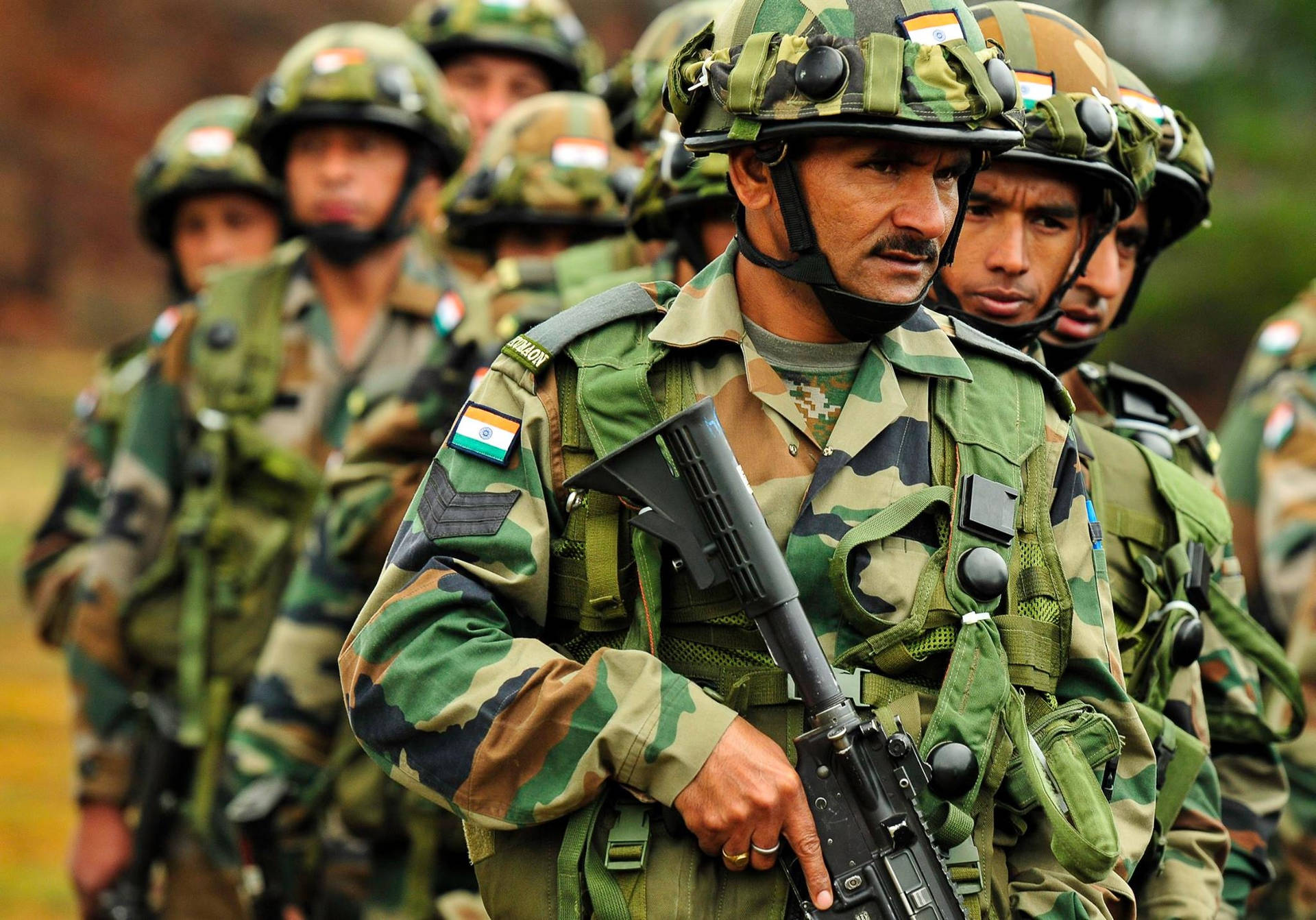
Key, 27, was found along the shoreline, roughly one mile from the location where he and another U.S. Service member disappeared on May 2 near the Cap Draa Training Area. The recovery follows a massive search operation involving more than 1,000 U.S. And Moroccan military and civil personnel.
According to preliminary reports, the tragedy occurred when a group of service members went on a hike to watch the sunset. One soldier, who was reportedly unable to swim, fell into the water. A second soldier jumped in to attempt a rescue but was struck by a wave. Despite efforts by other soldiers to save both men, they were swept away.
Army officials confirmed that search operations for the second service member, who has not yet been identified, remain active. Search teams are currently focusing their efforts on the area where Key’s body was recovered while continuing to monitor a wider perimeter.
Lt. Key, a resident of Richmond, Virginia, served as a platoon leader and air defense artillery officer with the 10th Army Air and Missile Defense Command. It has not been clarified whether Key was the soldier who initially fell or the one who attempted the rescue.
Both service members were in Morocco for African Lion, the U.S. Africa Command’s largest joint exercise. The annual event involves approximately 5,000 personnel from more than 40 countries, including NATO allies and African partner nations. However, defense officials stated that the incident was an accident and was not related to the official training exercises or terrorism.
The incident underscores the significant scale of U.S. Military cooperation and joint operations within North Africa, highlighting the operational risks associated with large-scale international deployments.
