
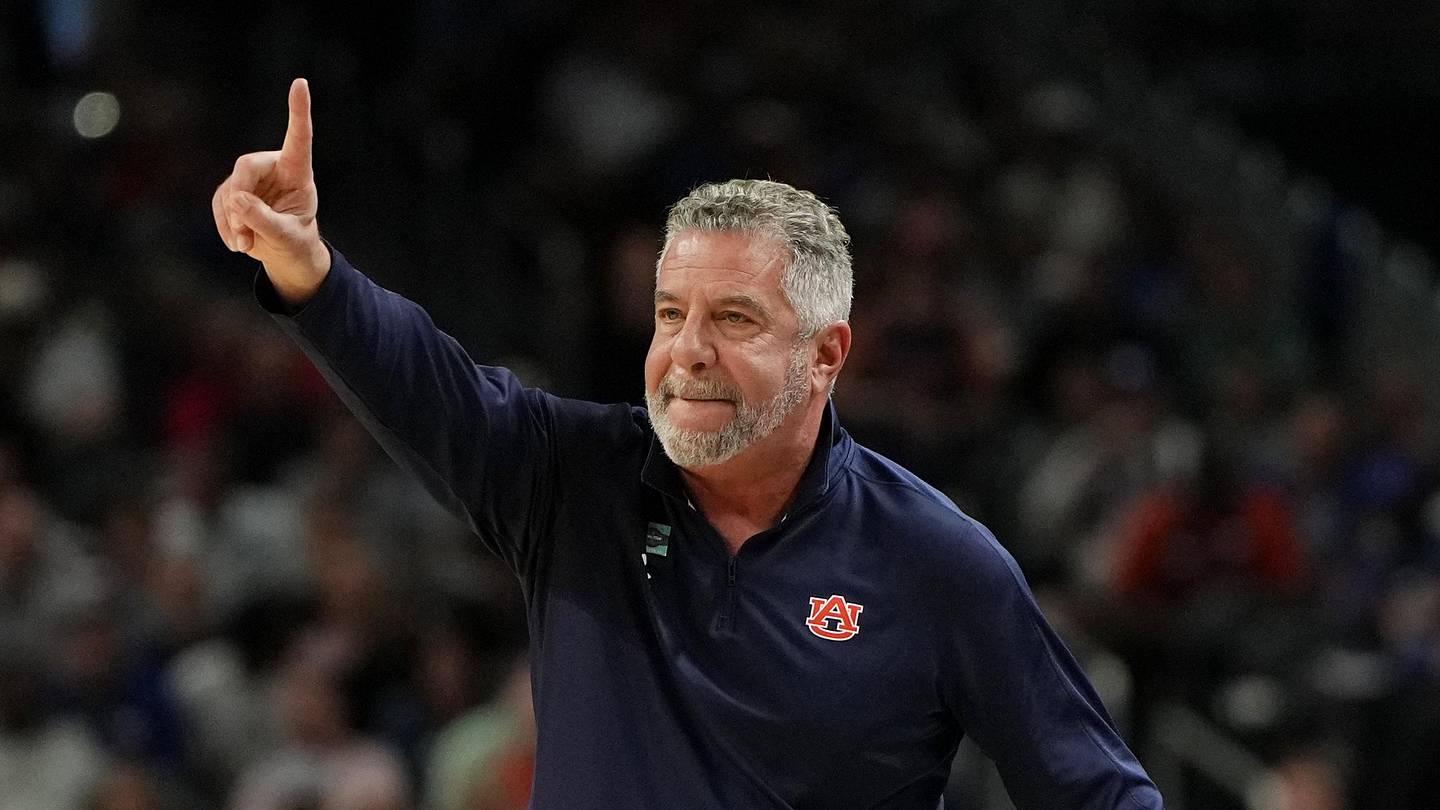
Is your favorite college basketball team rebuilding? Navigating the ever-changing landscape of college basketball recruiting is now crucial for success, and the Auburn Tigers‘ recent roster overhaul offers a compelling case study. Discover the dominant trends reshaping how teams are built, from the transfer portal‘s influence to the impact of NIL deals, and gain insights into what it takes to compete for championships in the modern era of college basketball recruiting.
Rebuilding the Roster: Future Trends in College Basketball Recruiting
Table of Contents
The college basketball landscape is constantly evolving, and the offseason is no longer a period of rest. Instead, it’s a critical time for rebuilding and strategic roster construction. The Auburn Tigers’ recent efforts to revamp their team for the upcoming season offer a interesting glimpse into the future of college basketball recruiting. Let’s dive into the key trends shaping the sport.
The Transfer Portal’s Dominance
The transfer portal has revolutionized college basketball. It allows players to move freely between schools, creating a dynamic habitat where teams can quickly address weaknesses and reload their rosters. Auburn’s acquisition of six new players through the portal highlights its importance. This trend is expected to continue, with more players utilizing the portal to seek better opportunities or playing time.
Pro Tip: Coaches are now essentially year-round recruiters. They must constantly evaluate talent in the portal and build relationships with potential transfers. This requires a dedicated staff and a well-defined recruiting strategy.
Did you know? The NCAA has implemented rules to regulate the transfer portal, but its impact remains meaningful. The ability to transfer once without penalty has empowered players and changed the balance of power in college basketball.
Early Recruiting and the 2025 Class
While the transfer portal offers immediate solutions, conventional recruiting remains crucial. Auburn’s addition of three players from the 2025 recruiting class demonstrates the importance of long-term planning.Securing commitments from high school prospects ensures a pipeline of talent and builds a foundation for future success. Early recruiting is becoming increasingly significant as programs compete for top prospects.
Case Study: Programs like Duke and Kentucky have consistently excelled in recruiting, building their rosters with a mix of top high school talent and experienced transfers. Their success underscores the value of a balanced approach.
The Rise of four-Star Transfers
The quality of players entering the transfer portal has increased considerably. Manny highly-rated players are now seeking new opportunities, making the portal a valuable resource for teams looking to add immediate impact players. Auburn’s acquisition of multiple four-star transfers is a prime example of this trend. These players can often step in and contribute immediately, accelerating a team’s rebuilding process.
The Impact of NIL and Player Empowerment
name, Image, and Likeness (NIL) deals have further complex the recruiting landscape. Players now have the opportunity to earn money from endorsements, which can influence their decisions about where to play. This adds another layer to the recruiting process, as programs must navigate NIL opportunities while attracting top talent. Player empowerment is a growing force, and coaches must adapt to the changing dynamics.
Reader Question: How will NIL deals continue to shape the future of college basketball recruiting?
Building a Contender: The Auburn Tigers’ Approach
Auburn’s strategy of combining transfer portal acquisitions with traditional recruiting is a blueprint for success in the modern era. Coach Bruce pearl’s ability to quickly rebuild his roster after losing key players showcases the importance of adaptability and a strong recruiting network.The Tigers’ focus on adding high-quality transfers and securing commitments from future classes positions them as a contender.
Data Point: According to ESPN, the average number of transfers per team has increased by 20% in the last five years, highlighting the growing importance of the transfer portal.
looking Ahead: What’s Next for College Basketball?
The future of college basketball recruiting will likely involve even greater emphasis on the transfer portal, early recruiting, and NIL opportunities. Coaches will need to be skilled recruiters, relationship builders, and talent evaluators to succeed. The teams that adapt quickly and build strong rosters will be the ones competing for championships.
Frequently Asked Questions
Q: How does the transfer portal work?
A: Players can enter the portal to explore transfer options. They can then communicate with other schools and perhaps transfer without penalty.
Q: What is NIL?
A: NIL refers to Name, Image, and Likeness. It allows college athletes to earn money from endorsements and other opportunities.
Q: Why is early recruiting important?
A: Early recruiting allows programs to secure commitments from top high school prospects, building a foundation for future success.
Q: How has the transfer portal changed college basketball?
A: The transfer portal has increased player movement, allowing teams to quickly rebuild and address weaknesses.
Q: What are the key skills for a successful college basketball coach today?
A: Successful coaches need to be skilled recruiters, relationship builders, talent evaluators, and adept at navigating NIL opportunities.
what are your thoughts on the future of college basketball recruiting? Share your comments below and let’s discuss! Also, explore our other articles on college sports and subscribe to our newsletter for the latest updates and insights.
