

In a deeply personal and scientifically significant decision, the family of Hollywood icon Bruce Willis has announced plans to donate the actor’s brain for medical research following his passing. The move aims to advance understanding of frontotemporal dementia (FTD), the neurodegenerative disease Willis has been battling since his diagnosis was made public in 2023.
A Legacy Beyond the Screen
Willis, now 71, stepped away from acting in 2022 after decades as one of Hollywood’s most recognizable action stars. His retirement shocked fans and industry insiders alike, but the revelation of his FTD diagnosis—an incurable condition affecting behavior, language and cognition—brought global attention to the disease. Now, his family is turning their private struggle into a public contribution, hoping to unlock new insights into FTD’s devastating effects.
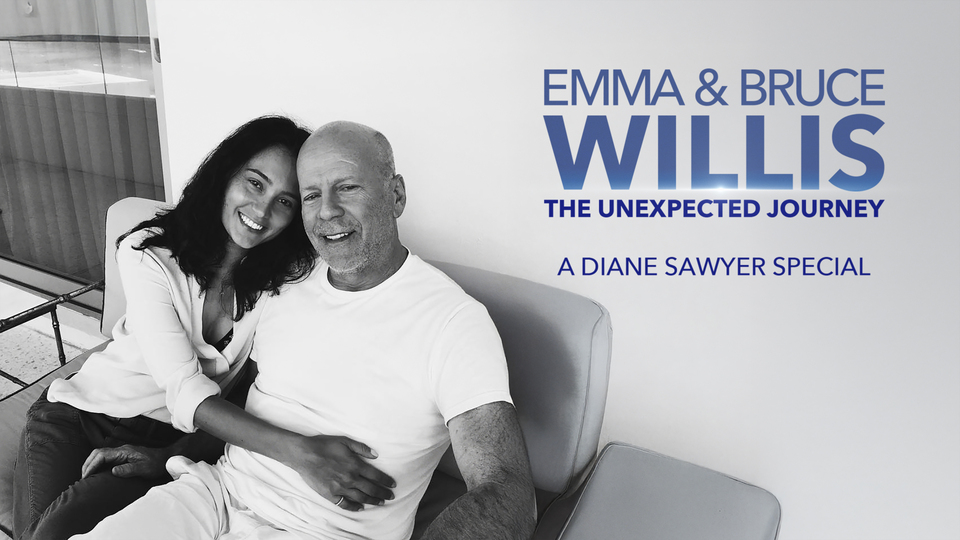
Emma Heming Willis, the actor’s wife, revealed the decision in her memoir, The Unexpected Journey, writing that the entire family unanimously agreed to the donation. “We want to facilitate science understand this disease better,” she shared. “There’s still so much we don’t understand about FTD, and if Bruce’s brain can help researchers find answers, that’s a legacy we’re proud to support.”
Understanding Frontotemporal Dementia
Frontotemporal dementia is a lesser-known but aggressive form of neurodegeneration, targeting the brain’s frontal and temporal lobes. Unlike Alzheimer’s, which primarily affects memory, FTD erodes personality, language, and decision-making abilities—symptoms that have profoundly impacted Willis’ life. The disease’s progression varies widely, making early diagnosis and treatment a persistent challenge for medical professionals.

The Willis family’s decision to donate aligns with a growing trend among celebrities and public figures facing neurodegenerative diseases. By contributing to research, they join a community of advocates—including the late actor Robin Williams, whose brain was as well studied after his death—who’ve used their platforms to accelerate scientific discovery. For families grappling with FTD, such contributions offer a rare sense of purpose amid an otherwise isolating journey.
“This isn’t just about Bruce—it’s about every family facing this disease. If his story can help even one person down the line, that’s a gift.”
— Emma Heming Willis
A Family United in Purpose
Willis’ diagnosis has brought his blended family closer, with his ex-wife Demi Moore and their three daughters—Rumer, Scout, and Tallulah—joining Emma and their two young children in providing round-the-clock care. The actor’s condition has progressed since his initial diagnosis, but his family has remained steadfast in their commitment to honoring his legacy, both on and off the screen.

Born in Idar-Oberstein, Germany, Willis rose to fame in the 1980s with his breakout role in Moonlighting before becoming a global superstar through blockbusters like Die Hard, The Sixth Sense, and Pulp Fiction. His decision to retire in 2022 marked the end of an era for action cinema, but his family’s latest announcement ensures his impact will extend far beyond Hollywood.
As the entertainment world continues to rally around Willis, his family’s choice to donate his brain underscores a powerful message: even in the face of an incurable disease, there’s hope for progress. For researchers studying FTD, the opportunity to examine Willis’ brain could provide invaluable data, potentially paving the way for earlier detection methods or future treatments.
What’s Next for FTD Research?
While there’s currently no cure for frontotemporal dementia, the Willis family’s donation could play a crucial role in demystifying the disease. Researchers often rely on post-mortem brain tissue to study the physical changes caused by neurodegeneration, and high-profile cases like Willis’ help raise awareness—and funding—for critical studies.
For fans and colleagues, the announcement has sparked an outpouring of support. Many have praised the family’s courage in turning personal tragedy into a chance to help others. As Emma Heming Willis put it, “Bruce’s story isn’t over. It’s just taking a different form.”
