

Czech Republic Falls Short on NATO Defense Spending Pledges, Officials Say
PRAGUE — The Czech Republic is failing to meet its NATO defense spending commitments, with officials and political figures openly acknowledging the shortfall as the alliance prepares for a summit in Ankara next month.
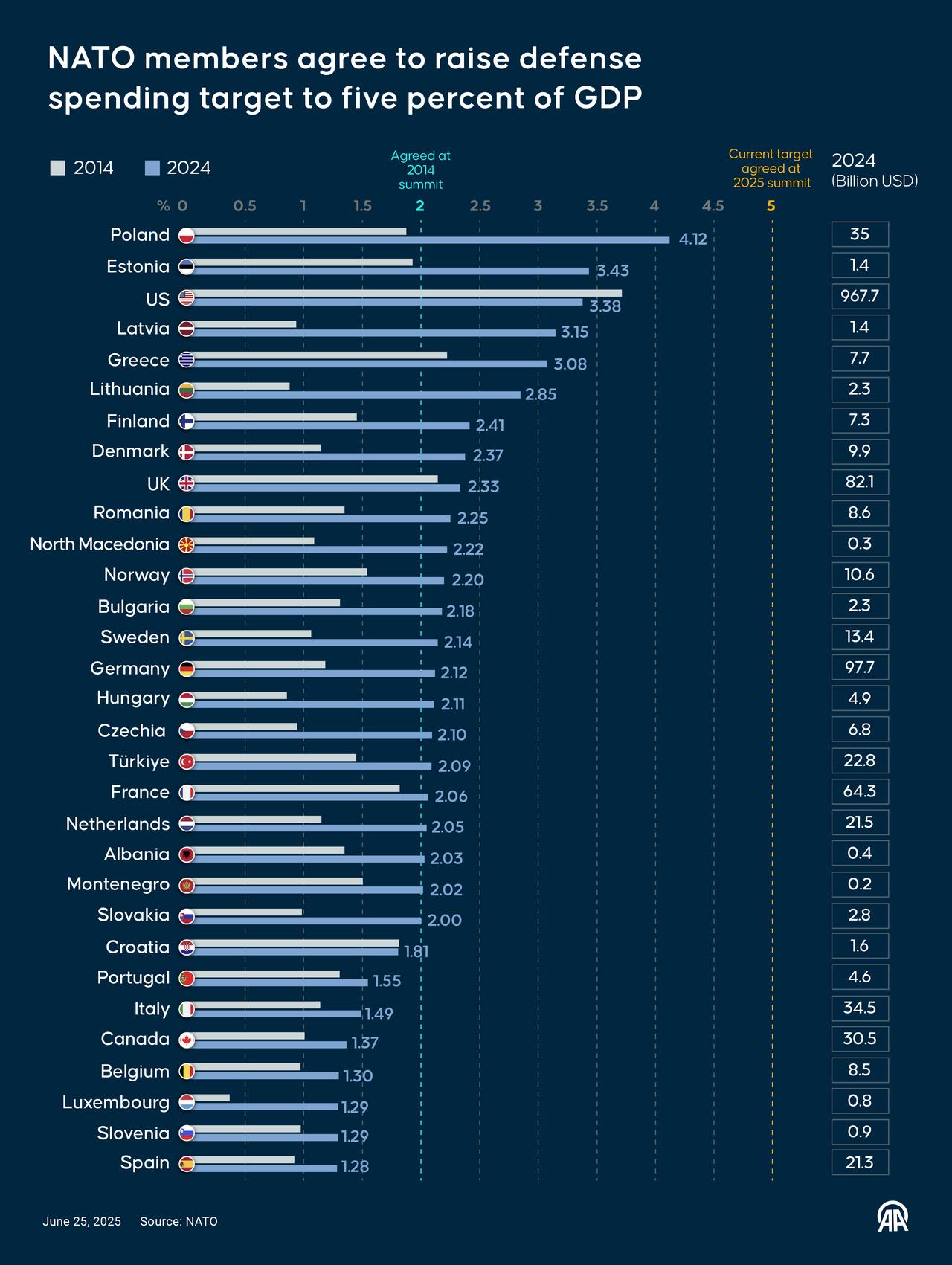
The criticism comes as NATO members face growing pressure to bolster military budgets amid rising global tensions. While the alliance’s 32 member nations have pledged to spend at least 2% of their gross domestic product (GDP) on defense, the Czech Republic’s efforts have fallen short, sparking debate over how spending is calculated and what truly strengthens national security.
Defense Spending Gap Widens
President Petr Pavel, a former NATO military committee chairman, stated bluntly that the Czech Republic is not meeting either its defense spending targets or the military capacity commitments it made to the alliance.
“The Czech Republic is not fulfilling its defense spending obligations or the military capabilities it promised to NATO,” Pavel said, without specifying which pledges had been missed.
The issue has develop into a political flashpoint, with some officials arguing that the current methodology for tracking defense expenditures is flawed. NATO’s guidelines allow certain costs—such as pensions, infrastructure, and research—to be counted toward the 2% target, but critics say the system lacks transparency.
Controversy Over Spending Calculations
Former Defense Minister Jana Černochová, now a member of parliament, dismissed NATO’s defense spending declarations as “zero and a political paper,” arguing that the alliance’s metrics do not reflect real military strength.
“We are not fulfilling our commitments,” Černochová said. “The NATO declaration on defense spending is meaningless—it’s just a piece of paper.”
Her comments echo broader frustration over how NATO measures defense investments. Some Czech officials have pushed for alternative funding mechanisms, including a proposal by former Prime Minister Andrej Babiš to count a state-backed loan program—known as SAFE—as part of the country’s defense spending. However, NATO has resisted the idea, arguing that loans do not constitute direct expenditures.
“A loan is not spending,” Babiš said in response to NATO’s stance. “But we still seek to convince them to recognize these funds for the Czech Republic.”
Global Trends vs. Czech Reality
While global military spending rose by 3% last year, the Czech Republic’s defense budget actually decreased, according to recent reports. The decline has raised concerns about the country’s ability to modernize its armed forces and meet NATO’s expectations.

Černochová attributed the shortfall to NATO’s revised spending methodology, which she claims has made it harder for smaller nations to meet the 2% target. Instead of focusing solely on percentages, she argued, the alliance should prioritize tangible military improvements, such as recruitment and equipment upgrades.
“The key is recruits, not percentages,” she said. “We need real capabilities, not just numbers on paper.”
NATO Summit Looms as Pressure Mounts
The debate over Czech defense spending comes as NATO prepares for a summit in Ankara, where member states are expected to reaffirm their commitments to collective security. NATO Secretary General Mark Rutte recently visited Turkey to discuss summit preparations, emphasizing the importance of defense industry cooperation among allies.
For the Czech Republic, the stakes are high. Failure to meet NATO’s spending benchmarks could strain relations with allies and raise questions about the country’s long-term military readiness. As global security challenges evolve, the pressure on Prague to align with alliance expectations is likely to grow.
