
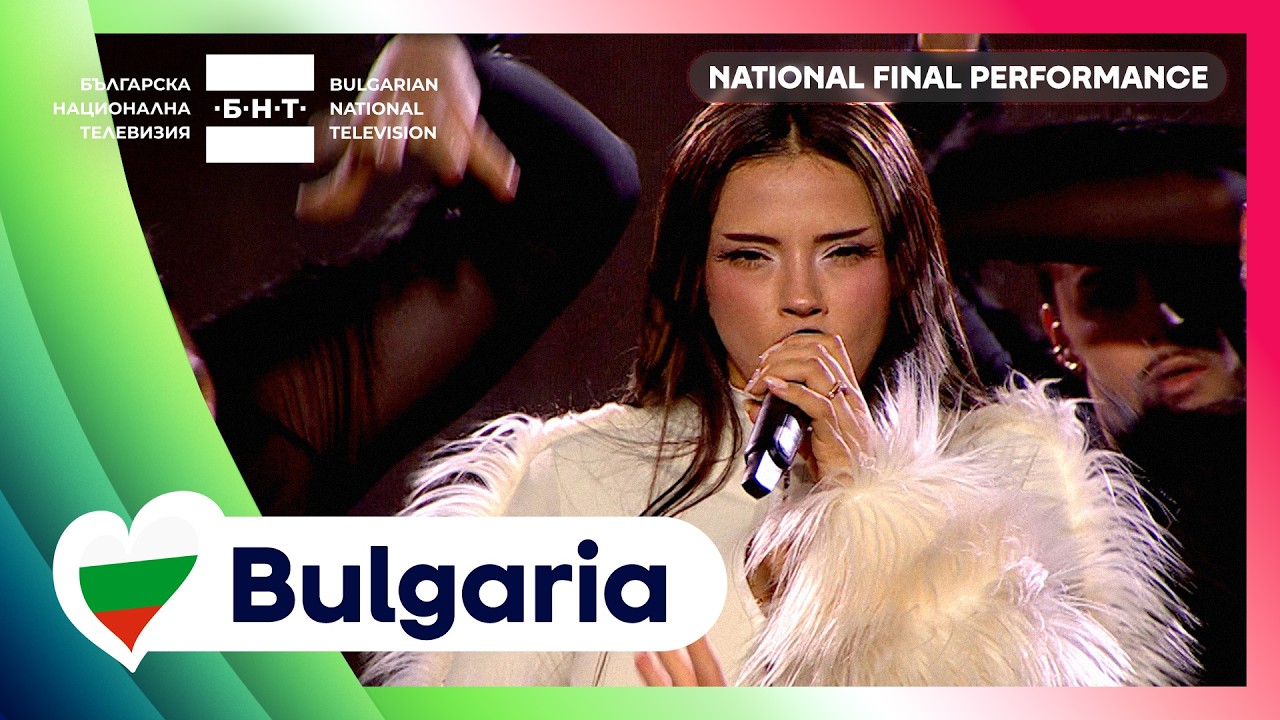
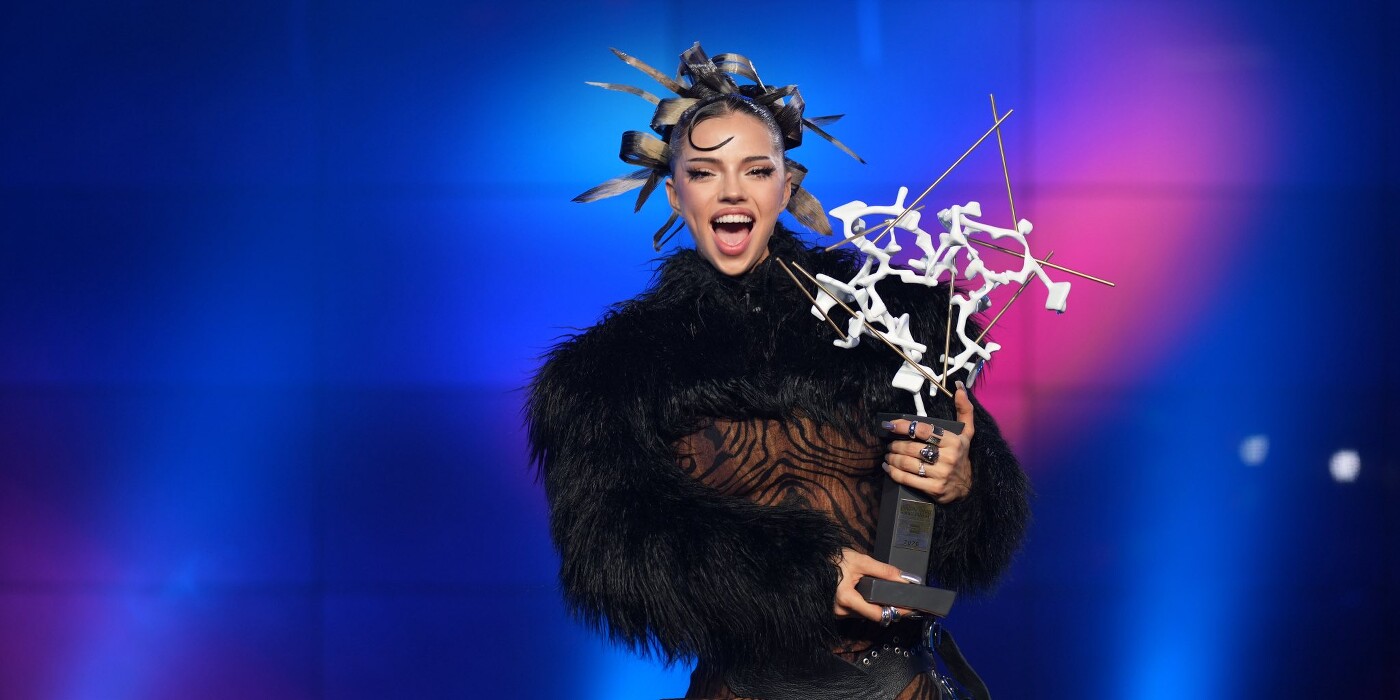
Bulgaria claimed its first-ever Eurovision Song Contest victory on May 16, 2026, as performer DARA secured the title in Vienna with her song Bangaranga.
The artist finished with 516 points, outpacing runner-up Israel, which earned 343 points, during the 70th anniversary edition of the competition held at the Wiener Stadthalle.
The 2026 Eurovision Song Contest concluded in Austria with a historic result for Bulgaria. DARA’s performance of Bangaranga
resonated with voters and juries alike, marking the first time the nation has taken home the trophy in the competition’s seven-decade history. The event, held in the host city of Vienna, served as a landmark celebration of the contest’s 70th year.
A Night of High Scores and Contrasts
The leaderboard saw a significant gap between the top performers. While Bulgaria’s 516 points secured a decisive win, Israel maintained a strong position in second place with 343 points. Romania followed in third place with 296 points. The competition, which featured 25 acts in the Grand Final, showcased a diverse array of musical styles, ranging from heavy metal to pop and orchestral ballads.
Despite the celebratory atmosphere in the Wiener Stadthalle, the event was marked by external pressures. Five participating countries chose to boycott the 2026 competition due to Israel’s participation. The production itself was not without technical challenges; the Czech entry suffered from equipment issues during their set, though organizers did not permit a repeat performance.
The evening was bookended by notable performances. Denmark’s Soren Torpegaard Lund opened the Grand Final, while the host country, Austria, represented by the act Cosmo, closed the show. Reporters on the ground noted that the final performance was met with a muted reception, described by observers as more of a fizzle than a band.
The UK’s Historic Low and Production Challenges
The United Kingdom faced a difficult outcome, finishing in last place with only one point. The result follows a long-standing trend of challenging finishes for the nation in recent years. The 2026 contest, however, was defined more by its scale than individual national struggles, as the European Broadcasting Union (EBU) utilized the 70th anniversary to introduce new digital features, including a My Scoreboard
tool and an Eurodex
database within the official contest mobile application.
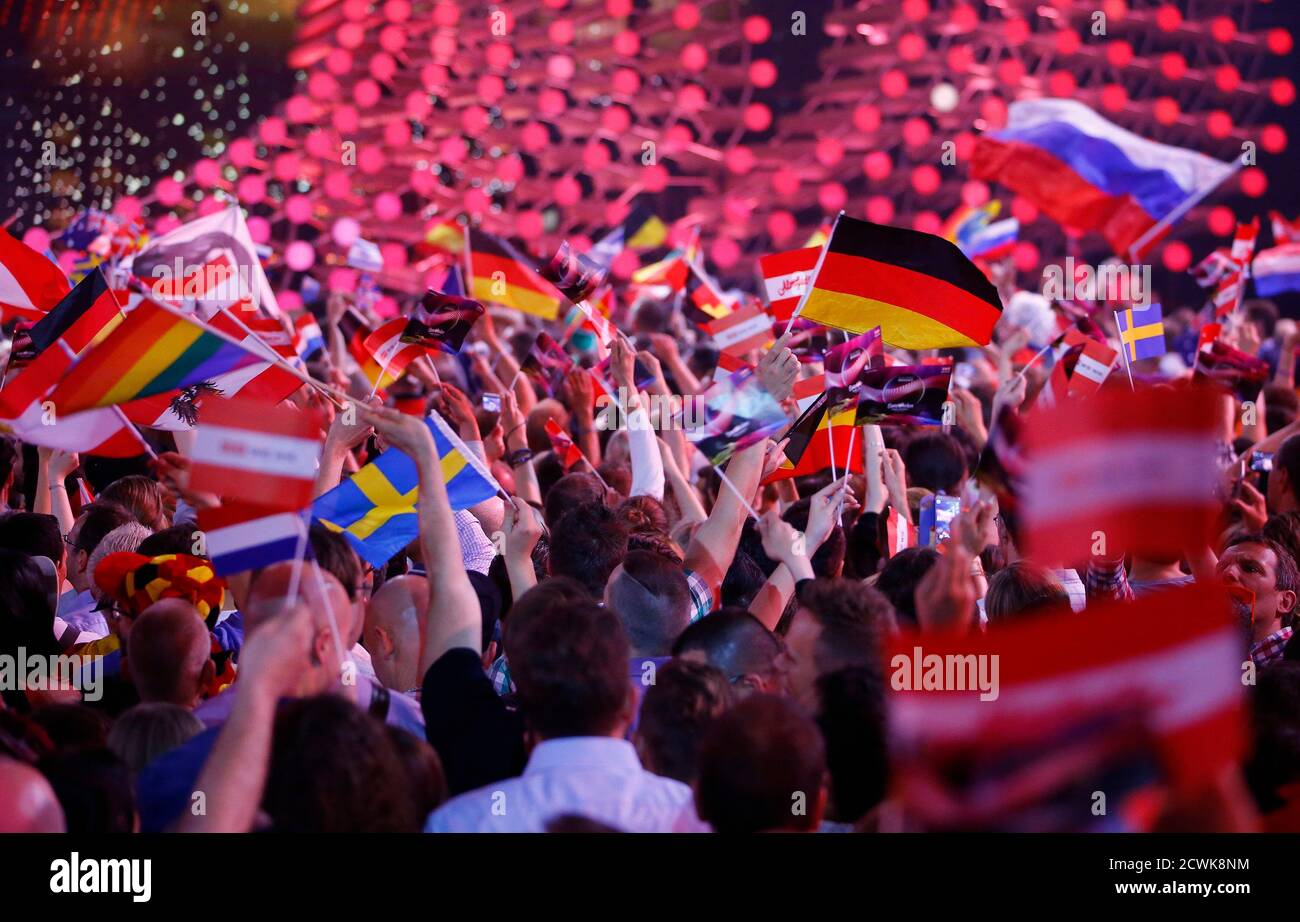
The production quality in Vienna was characterized by elaborate stagecraft. One performer from Greece utilized a fireman’s pole and a scooter, while the Australian entry featured a piano that lifted the performer into the air. These high-concept staging choices were central to the 2026 broadcast, which aimed to highlight the evolution of the contest since its inception in 1956.
For more on this story, see Bulgaria Wins Eurovision 2026 as Noam Bettan Represents Israel in the Final.
Reflecting on the 70th Anniversary
For first-time viewers, the scale of the production was a primary takeaway.
As a first time Eurovision watcher, I now see the hype. I feel like I got whiplash during tonight’s 70th year of the Eurovision Song Contest. We travelled through multiple music styles – heavy metal, pop, screeching ballads and everything in between.
Imogen James, Live reporter
The victory for Bulgaria is expected to trigger a significant cultural celebration in Sofia, as the country prepares for the inevitable logistical planning required for hosting the 2027 contest. Meanwhile, the EBU is already looking toward the future, with the 2027 edition currently in the early stages of planning. As the 2026 season ends, fans are left to analyze the voting patterns and the impact of the boycotts, which remain a point of discussion regarding the future of the competition’s political neutrality.
The event closed with the presentation of the Marcel Bezençon Awards, which honor the best artistic and technical contributions of the year. With the 70th anniversary concluded, the Eurovision network prepares to transition from the Vienna cycle to the next iteration of the international song competition.
Broadcasting and Technical Execution
The 70th-anniversary broadcast was executed through a complex logistical operation at the Wiener Stadthalle. The venue, which has previously hosted major international events, required significant structural modifications to accommodate the advanced lighting rigs and the hydraulic systems necessary for the Australian entry’s aerial piano and the various kinetic stage elements utilized by the 25 finalists. Technical directors emphasized that the integration of the Eurodex
database into the mobile application required a real-time data sync with the voting centers across the continent to ensure that the My Scoreboard
feature provided accurate, live updates for viewers watching via the official streaming platform.
The EBU’s decision to emphasize digital interaction during the 2026 Grand Final represents a shift in how the organization manages global engagement. By providing viewers with granular data through the application, the production team aimed to mitigate the disconnect that can sometimes occur during the lengthy voting sequences. This technological focus complemented the high-budget staging, which served as a centerpiece for the anniversary celebrations.
The Voting Landscape
The points distribution during the 2026 final highlighted a clear preference from the jury and public vote panels. Bulgaria’s 516-point total was a result of consistent high-scoring from nearly every participating nation, a rare feat in the modern era of the contest. Analysts noted that the voting patterns were heavily influenced by the staging quality of the acts, with the top three—Bulgaria, Israel, and Romania—all utilizing high-production value sets that prioritized visual storytelling alongside the vocal performances.
The disparity between the top tier and the lower end of the scoreboard, specifically the United Kingdom’s single-point finish, has prompted internal discussions among participating broadcasters regarding the future of national selection processes. While the EBU maintains that the contest remains a neutral platform for artistic expression, the political undercurrents—exacerbated by the boycott of five nations—remained a dominant narrative throughout the broadcast. The EBU’s executive team confirmed that they are reviewing the operational protocols for 2027 to ensure that the competition remains focused on the musical performances despite the ongoing geopolitical tensions that impacted the 2026 season.
As the curtains closed on the 2026 edition, the focus shifted to the administrative transition. The EBU is currently in discussions with potential host cities for the 2027 contest, with Sofia expected to present a formal bid following the national celebrations. The legacy of the 70th anniversary, marked by the triumph of DARA and the implementation of new digital infrastructure, sets a high benchmark for the upcoming cycle of the international competition.
