
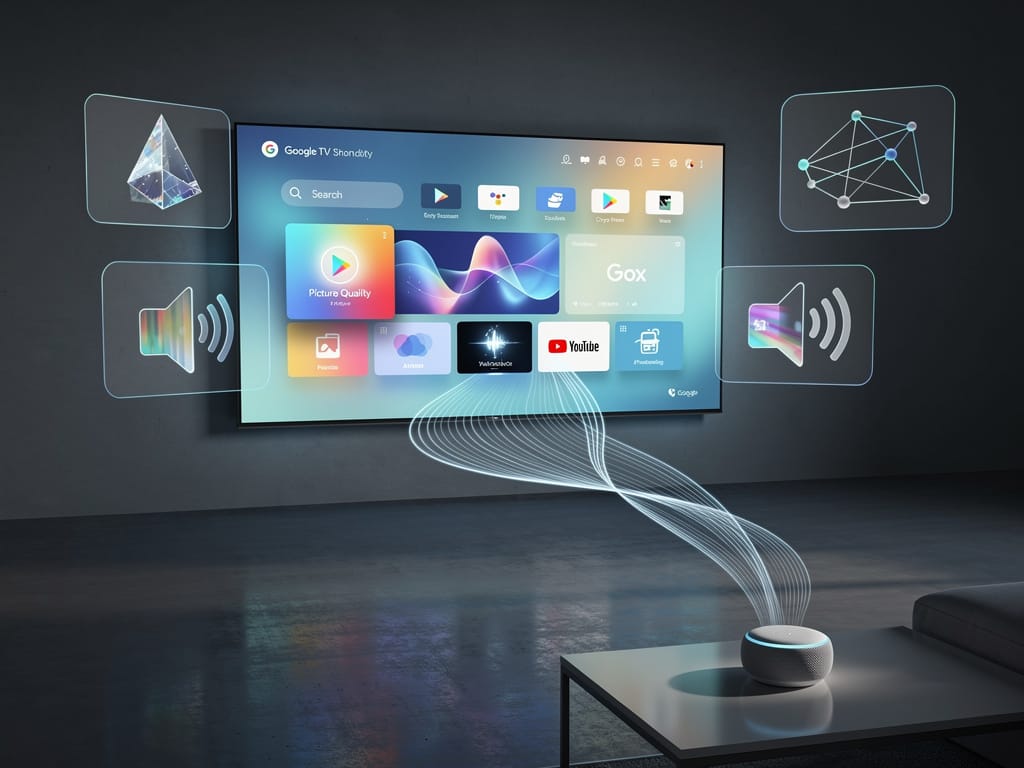
As of Saturday, May 16, 2026, the term “weekend” refers to the period between the end of the work week and the start of the next, specifically encompassing Saturday and Sunday. Meanwhile, entertainment platforms are currently marketing voice-controlled gaming experiences, such as Jeopardy! and Wheel of Fortune, for home television use across various hardware providers.
Expanding Home Entertainment Options
The concept of the weekend has become synonymous with leisure and media consumption, a trend reflected in the current offerings for home television systems. As of May 2026, companies like Weekend Entertainment, Inc. have positioned themselves within this space by providing voice-powered, interactive gaming experiences. These applications allow users to engage with established television properties, including Jeopardy! and Wheel of Fortune, directly through hardware platforms such as Roku, Fire TV, Samsung, and LG.
The integration of these games into the living room environment emphasizes a shift toward interactive, “out loud” play. By utilizing voice controls, these platforms attempt to bridge the gap between passive television viewing and active participation. Users are currently offered a seven-day free trial to access titles such as Song Quiz, CoComelon: Sing & Play with JJ, and an AI-driven version of 20 Questions. This model reflects a broader push in the entertainment sector to transform the television into a multi-purpose hub for family-friendly interaction, moving beyond traditional broadcast or streaming content.
The strategic deployment of these voice-activated titles relies on the ubiquity of smart television operating systems. By leveraging the existing microphones embedded within modern smart remotes or connected smart speakers, developers have effectively bypassed the need for traditional gaming peripherals. This friction-less entry point is central to the product roadmap for companies like Weekend Entertainment, Inc., which seeks to capitalize on peak viewership hours occurring between Friday evening and Sunday night. By bundling iconic intellectual property like Jeopardy!—a long-running staple of syndication—with modern natural language processing, these platforms aim to convert passive viewers into active participants during the weekend block.
Cultural Context and Terminology
While the “weekend” remains a standard temporal marker, the cultural associations with the term continue to evolve. Merriam-Webster defines the weekend as the period between the close of one work or school week and the start of the next. In the context of modern media, this two-day window serves as the primary target for entertainment releases, live events, and promotional campaigns.
The music industry also sees the term reflected in the branding of major artists. The Weeknd, for instance, maintains a significant digital presence, with official channels dedicated to performances and visual experiences such as those from the Dawn FM era. This highlights the distinction between the colloquial definition of the weekend as a time frame and its usage as a proper noun in popular culture. Consumers navigating entertainment options this weekend must distinguish between these varied applications of the term, whether they are looking for leisure activities, musical content, or simply the calendar days themselves.
Beyond the linguistic evolution, the “weekend” has become a codified unit of measurement for media executives and streaming platforms. Data analytics firms frequently segment viewer engagement metrics by these specific days, noting that the content consumed on Saturdays and Sundays often deviates from weekday habits. This shift is characterized by a preference for long-form content, family-oriented gaming, and interactive experiences that facilitate shared social environments. The branding of artists like The Weeknd serves as an example of how this temporal marker has been successfully integrated into mainstream commercial identity, further cementing the weekend as a prime window for high-impact media engagement.
Navigating Current Entertainment Trends
The entertainment landscape as of May 16, 2026, is characterized by a high degree of integration between consumer hardware and interactive software. The availability of games on major smart TV platforms suggests that manufacturers are increasingly prioritizing user engagement through third-party applications. This strategy is designed to keep viewers within specific ecosystems, providing a “game night” experience that does not require additional gaming consoles or specialized hardware beyond a standard remote control.
The focus on voice-powered interaction is a notable development in current digital storytelling and interface design. By removing complex controller inputs, these platforms aim to lower the barrier to entry for casual users. As the industry continues to monitor these trends, the success of such applications will depend on the sustained interest of households looking to optimize their weekend downtime. For now, the market remains focused on providing accessible, communal experiences that leverage the familiarity of well-known game show brands and interactive AI tools.
The technical architecture supporting these voice-controlled games is designed to operate seamlessly within the restrictive bandwidth environments of standard home television setups. By utilizing cloud-based processing for AI-driven responses, providers ensure that even legacy hardware can support complex, real-time interactions without the need for high-end local processing. This backend optimization is a critical component of the current “television-as-a-service” model. As households increasingly look for ways to maximize the utility of their smart TVs, the proliferation of these voice-activated gaming options represents a calculated move by hardware manufacturers to retain user attention. By consolidating the roles of broadcast receiver, streaming portal, and interactive gaming terminal into a single device, these platforms are redefining the traditional boundaries of home entertainment during the weekend hours.
