
For many Poles, childhood during the People’s Republic era evokes a time of simple pleasures and remarkable resourcefulness. Before the advent of widespread consumerism and digital entertainment, children forged their own fun with limited toys and a reliance on community spaces like local courtyards and the ubiquitous “trzepak” laundry-beating rack.This article offers a nostalgic look back at how Polish children filled their days, transforming everyday objects into sources of endless creativity and fostering a strong sense of camaraderie – a world increasingly distant from today’s youth.
Growing up in Poland during the People’s Republic era meant a childhood vastly different from today’s digitally-saturated world. Without smartphones, social media, or a plethora of television channels, children relied on imagination, resourcefulness, and neighborhood camaraderie for entertainment. This look back at a pre-internet youth offers a fascinating glimpse into how play evolved when technology wasn’t readily available, and highlights the enduring power of human connection.
- Dziecięce zabawy w PRL-u – magia na podwórkach
- Najlepsze zabawki z wyobraźni
- Świat telewizji w czasach PRL-u
Neighborhoods as Playgrounds: The Magic of PRL-Era Games
The local courtyard served as the central hub for children during the PRL period. These spaces were vibrant with social life, and the birthplace of countless games and activities that kept kids entertained well into the evening. Despite limited access to manufactured toys, children possessed a remarkable imagination that transformed their surroundings into worlds of play and excitement.
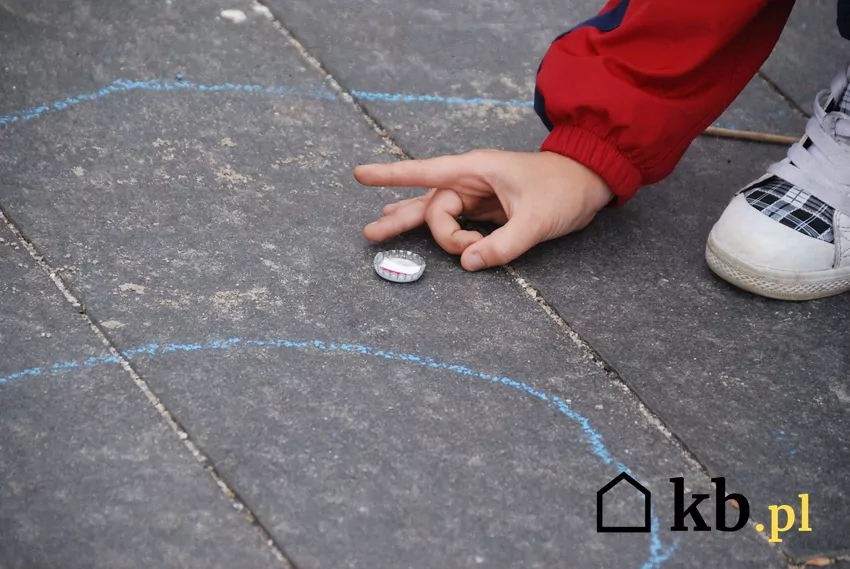
A piece of chalk, an inner tube, or a makeshift ball crafted from rags were often all that was needed to spark a game involving the entire neighborhood. Girls frequently played hopscotch or a game with a rubber band, while boys typically engaged in games of football – often using balls they’d made themselves. These simple games fostered a sense of community and physical activity.
The “trzepak,” a communal outdoor laundry-beating rack, also played a crucial role in neighborhood life. It functioned as a combination playground and outdoor gym, serving as a gathering place for young people to socialize, discuss current events, and devise creative ways to spend their time. A little ingenuity was all it took to create hours of entertainment. You can find information about old PRL items that are now worth a fortune here.
Toys Born of Imagination
Store shelves were often bare during the PRL era, meaning children had limited access to the toys we know today. This scarcity, however, fueled remarkable creativity. Bottle caps from orange soda, for example, could easily become race cars, with tracks drawn on concrete using sticks or chalk. These impromptu races provided thrilling competition, demonstrating how imagination could transform the mundane into something extraordinary.
Older boys often engaged in DIY projects, building their own vehicles from crates and wheels. While these creations might have been noisy, they offered a sense of freedom and occupied their time for hours.
Girls also tapped into their creativity, sewing outfits for dolls, crafting dollhouses from cardboard boxes, and making miniature furniture. Homemade toys were common, and girls would create entire wardrobes and play spaces for their dolls. The ability to create something from nothing was a defining characteristic of childhood during this period.
Television as a Shared Experience
Children growing up in the PRL era spent the majority of their free time playing outdoors. These outdoor games and interactions with friends were occasionally interrupted for popular television broadcasts. Evening programming dictated a rhythm to the day, with children eagerly anticipating new adventures of characters like Bolek and Lolek, Pan Kleks, and Reks.
Older children were captivated by the series “Czterej pancerni i pies” (Four Tankmen and a Dog). The show was so popular that children would reenact scenes from the series in their own games, with boys pretending to be Janek Kos and girls portraying Marusia. A broom handle became a rifle, and the courtyard transformed into a battlefield.
Today, many adults fondly recall their childhoods during the PRL era. While a challenging time in many respects, it also fostered a unique sense of freedom, creativity, and connection with peers that extended beyond the schoolyard. Increasingly, items from the PRL period are gaining value, with furniture being a prime example. You can find information about which PRL-era furniture is most sought after by collectors here.
