
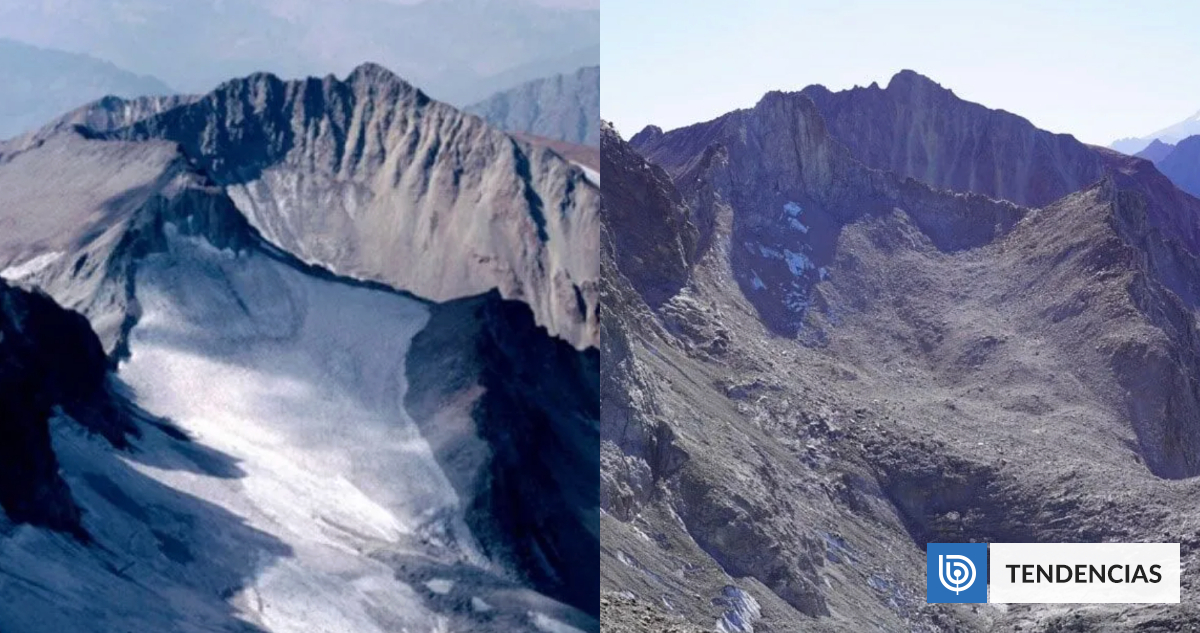
A critical Chilean glacier has seen a dramatic decline in its size, losing 65% of its surface area over the last seven decades, according to a new study from the University of Chile.
The research focuses on the Echaurren Norte Glacier, located in the Cajón del Maipo. The findings document a critical level of fragmentation, with the glacier losing 65% of its ice cover over a 70-year period. This rapid retreat has sparked significant concern among scientists and officials due to the glacier’s global scientific importance.
The decline of the Echaurren Norte Glacier is more than a geological loss; it serves as a warning for the region’s water security. As these ice masses disappear, they trigger water alerts in Chile, underscoring the precarious nature of the country’s freshwater reserves in the face of ongoing environmental changes.
According to reports from Meganoticias and Meteored Chile, the loss of 65% of the surface area over 70 years highlights the accelerating pace of glacial melting in the Andes.
The study’s results have placed the Echaurren Norte Glacier at the center of a broader discussion regarding water scarcity. As reported by Reporte Minero, the situation has effectively sounded a water alarm, as these glaciers act as vital reservoirs for the surrounding regions.
The scale of the loss, likewise detailed by BioBioChile, underscores the urgent necessitate for continued monitoring of the Andean cryosphere to understand the long-term implications for Chile’s ecology and water supply.
