
The United States and Iran have reached a diplomatic impasse over the Strait of Hormuz, a critical global shipping route, prompting speculation about China’s potential role in easing tensions. As the standoff enters its second week, analysts and officials are closely watching Beijing’s next moves—though expectations remain tempered.
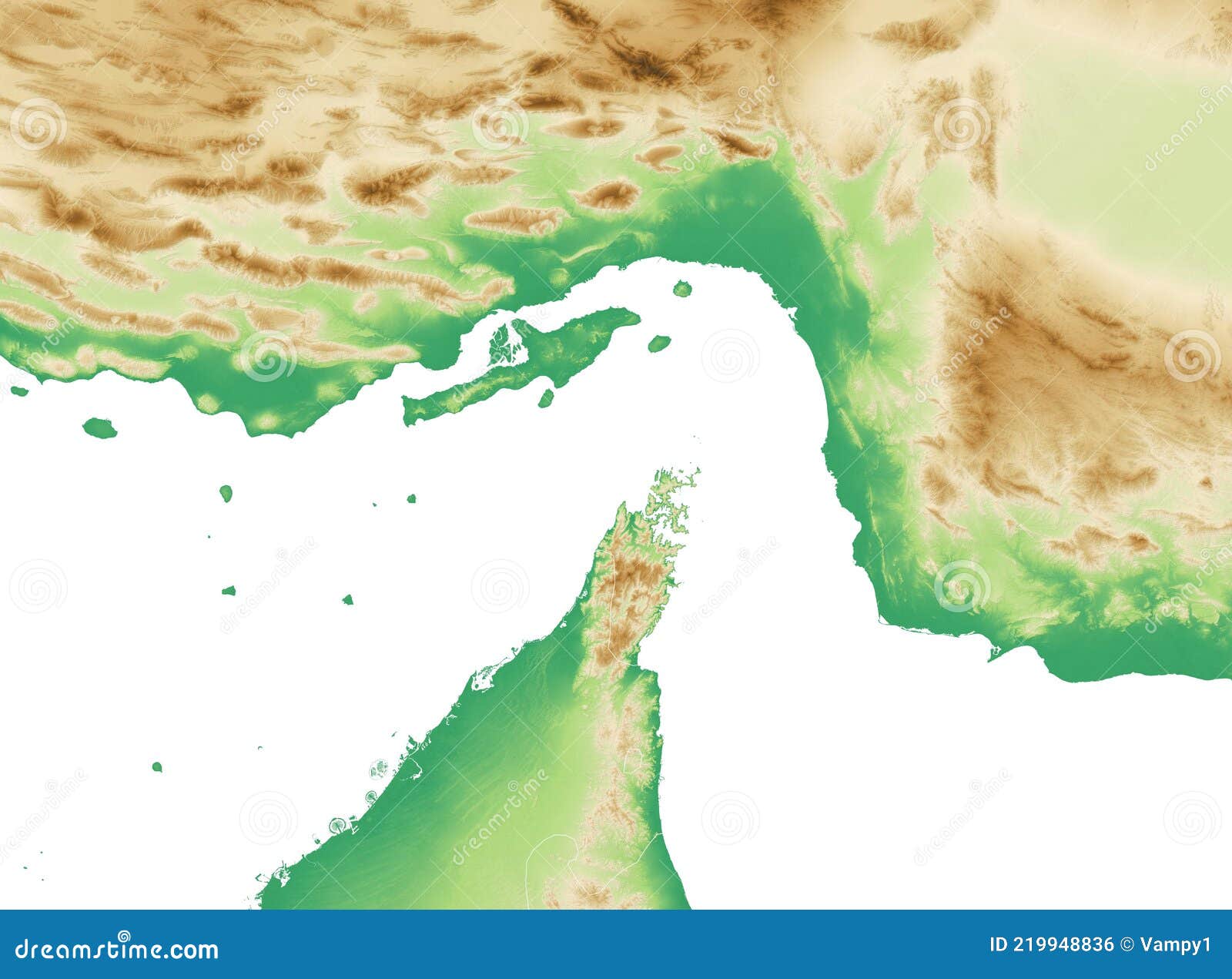
The Strait of Hormuz, a narrow waterway connecting the Persian Gulf to the Arabian Sea, has long been a flashpoint in Middle Eastern geopolitics. Nearly one-fifth of the world’s oil passes through its waters, making it a strategic chokepoint for global energy markets. Recent U.S. Military maneuvers, including a reported blockade, have raised alarms about supply chain disruptions and broader regional instability.
Diplomatic Deadlock and China’s Calculated Silence
Negotiations between Washington and Tehran have stalled, with neither side showing signs of backing down. According to reports, U.S. Officials have accused Iran of escalating provocations, while Iranian leaders have condemned what they describe as American aggression. The deadlock has left international observers questioning whether external mediation could break the impasse.
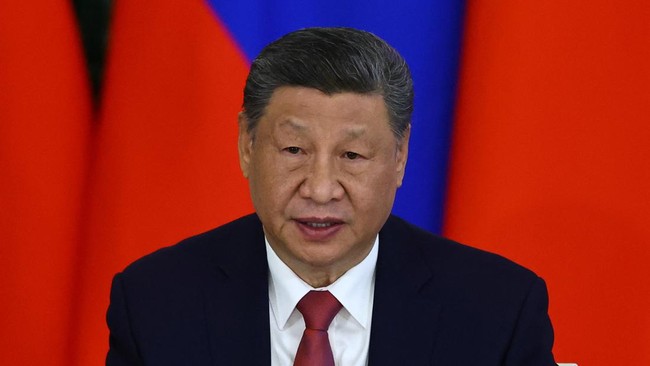
China, which maintains economic and diplomatic ties with both nations, has emerged as a potential intermediary. However, Beijing’s response so far has been cautious. While Chinese state media has called for restraint, there has been no public indication of a direct intervention. Analysts suggest Beijing may be weighing the risks of overcommitting in a conflict where its leverage remains limited.
Trump’s Mixed Signals on Chinese Involvement
Former U.S. President Donald Trump, who has remained vocal on international affairs since leaving office, weighed in on the crisis during a recent interview. Trump suggested that China could play a larger role in resolving the Hormuz standoff but expressed skepticism about Beijing’s willingness to act.

“I don’t expect too much,” Trump said, downplaying the likelihood of a major Chinese diplomatic push. “They have their own interests to protect.” His comments reflect broader uncertainty about whether China would risk alienating either Washington or Tehran by taking a more assertive stance.
Trump’s remarks come amid growing speculation about China’s strategic ambitions in the Middle East. Some regional experts argue that Beijing sees the Hormuz crisis as an opportunity to expand its influence, potentially challenging U.S. Dominance in the region. However, others caution that China’s economic ties to both Iran and Gulf states make any decisive intervention politically fraught.
Allegations of Covert Cooperation Between China and Iran
Foreign media reports have surfaced suggesting possible covert coordination between Beijing and Tehran amid the crisis. While details remain unverified, some analysts point to historical military and economic agreements between the two nations as evidence of deeper collaboration. China has been Iran’s largest trading partner for years and the two countries signed a 25-year cooperation agreement in 2021, covering energy, infrastructure, and security.
However, neither government has publicly acknowledged any direct involvement in the current standoff. Chinese officials have reiterated calls for dialogue but stopped short of proposing concrete solutions. Meanwhile, Iran has denied allegations of provocation, framing its actions as defensive measures against perceived U.S. Aggression.
Regional Experts Weigh In on China’s Strategic Play
Academics and policy analysts are divided over China’s potential role in the Hormuz crisis. Some argue that Beijing could use the situation to position itself as a stabilizing force, potentially reshaping Middle Eastern geopolitics in its favor. A political science expert from a leading Indonesian university suggested that the conflict presents an opportunity for China to “shift the regional hegemony” away from the U.S.
“This is a moment where China could demonstrate its ability to manage global crises,” the expert noted. “But it’s a high-risk move—one that could backfire if mishandled.”
Others, however, believe China’s interests are better served by maintaining a low profile. With its economy heavily dependent on Middle Eastern oil imports, Beijing has strong incentives to avoid direct confrontation with Washington. Any misstep could jeopardize its energy security or provoke U.S. Sanctions, analysts warn.
Global Implications of the Hormuz Standoff
The ongoing tensions in the Strait of Hormuz have sent ripples through global markets. Oil prices have fluctuated in response to reports of shipping disruptions, though major producers have so far avoided significant supply shortages. The crisis has likewise reignited debates about the vulnerability of critical trade routes and the need for alternative energy corridors.
For now, the international community remains on edge, waiting to spot whether diplomacy will prevail or if the standoff will escalate further. With the U.S. And Iran at loggerheads, China’s next move could prove pivotal—but whether Beijing will step in, or simply watch from the sidelines, remains an open question.
