
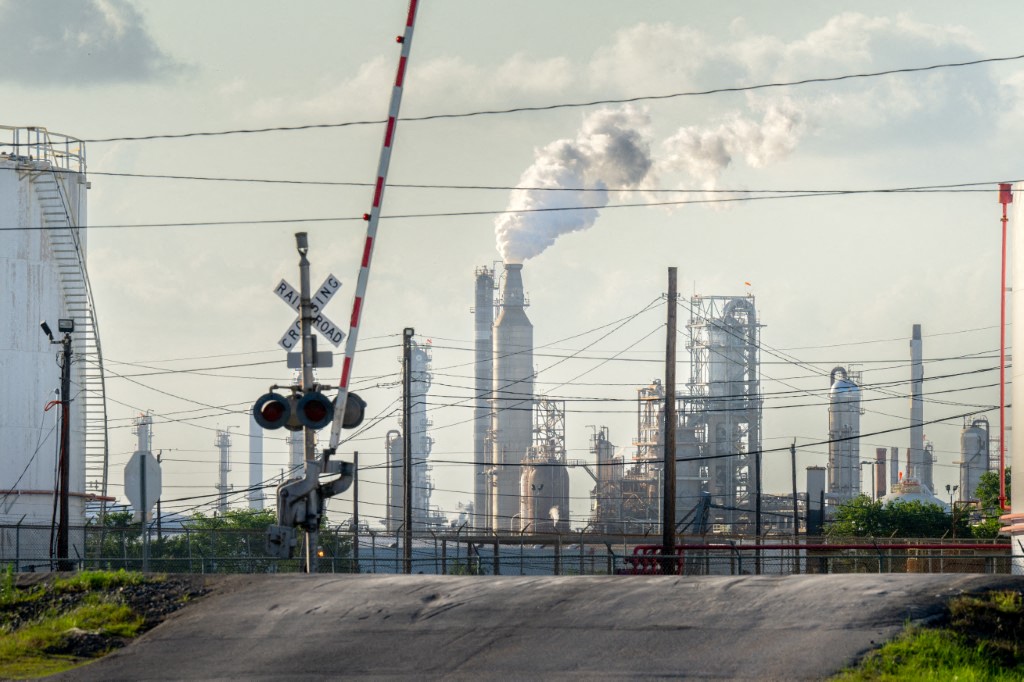
Oil prices surged to near $100 a barrel on Tuesday, April 28, 2026, as global markets reacted to the collapse of diplomatic talks between the U.S. And Iran over the strategic Strait of Hormuz. The standoff has sent shockwaves through energy markets, with Brent crude crossing the $111 threshold for the first time in months, while U.S. Benchmark prices hovered just below the psychologically critical $100 mark.
The latest rally—adding roughly $3 to the price of a barrel—comes as traders assess the economic fallout of Iran’s refusal to reopen the vital waterway to commercial shipping. The Strait of Hormuz, a narrow chokepoint through which nearly a fifth of the world’s oil flows, has been at the center of escalating tensions since Tehran unilaterally restricted passage earlier this month. With no immediate resolution in sight, analysts warn the disruption could prolong market volatility and drive prices even higher in the coming weeks.
Market Reaction: Stocks Waver as Oil Climbs
The ripple effects of the diplomatic deadlock were felt across financial markets. While oil futures led the charge, global equities showed mixed reactions. Major indices in Europe and Asia saw modest declines, reflecting investor unease over the potential for prolonged supply constraints. In the U.S., futures trading suggested a cautious open, with energy stocks poised to outperform amid the uncertainty.
“The market is pricing in a risk premium,” said one commodities trader, speaking on condition of anonymity. “Until there’s clarity on when—or if—these shipments will resume, we’re likely to observe continued upward pressure on prices.” The sentiment underscores how geopolitical risks, once considered temporary, are now reshaping long-term energy forecasts.
Diplomatic Stalemate Fuels Supply Fears
The impasse stems from Iran’s demand for concessions in exchange for reopening the strait, a proposal the U.S. Administration has flatly rejected. While neither side has disclosed specific terms, reports suggest Tehran is seeking sanctions relief and guarantees against further military posturing in the region. The White House, however, has maintained a firm stance, insisting that freedom of navigation through the strait is non-negotiable.
The standoff has raised alarms among energy-dependent economies, particularly in Asia, where countries like China, India, and Japan rely heavily on Middle Eastern oil. Industry observers note that even a temporary closure of the strait could trigger a supply crunch, forcing nations to tap into strategic reserves or seek alternative routes—both of which reach with significant logistical and financial costs.
Energy Security Concerns Mount
The crisis has reignited debates over energy security, with some analysts questioning the resilience of global supply chains in the face of geopolitical disruptions. The International Energy Agency (IEA) has previously warned that prolonged closures of key chokepoints could disrupt as much as 20% of global oil trade, with cascading effects on everything from gasoline prices to industrial production.
For now, traders are closely monitoring developments in Washington and Tehran, where backchannel negotiations are rumored to be ongoing. However, with neither side showing signs of backing down, the market remains on edge. “This isn’t just about oil prices,” said a senior energy analyst. “It’s about the stability of the entire energy market.”
As of midday trading on April 28, Brent crude was up 3% at $111.23 a barrel, while U.S. West Texas Intermediate (WTI) climbed 2.8% to $98.76. The spread between the two benchmarks—a key indicator of supply tightness—has widened to its highest level in over a year, signaling growing concerns over near-term availability.
The coming days will be critical in determining whether the standoff escalates or de-escalates. For now, one thing is clear: the world’s energy markets are bracing for turbulence.
