
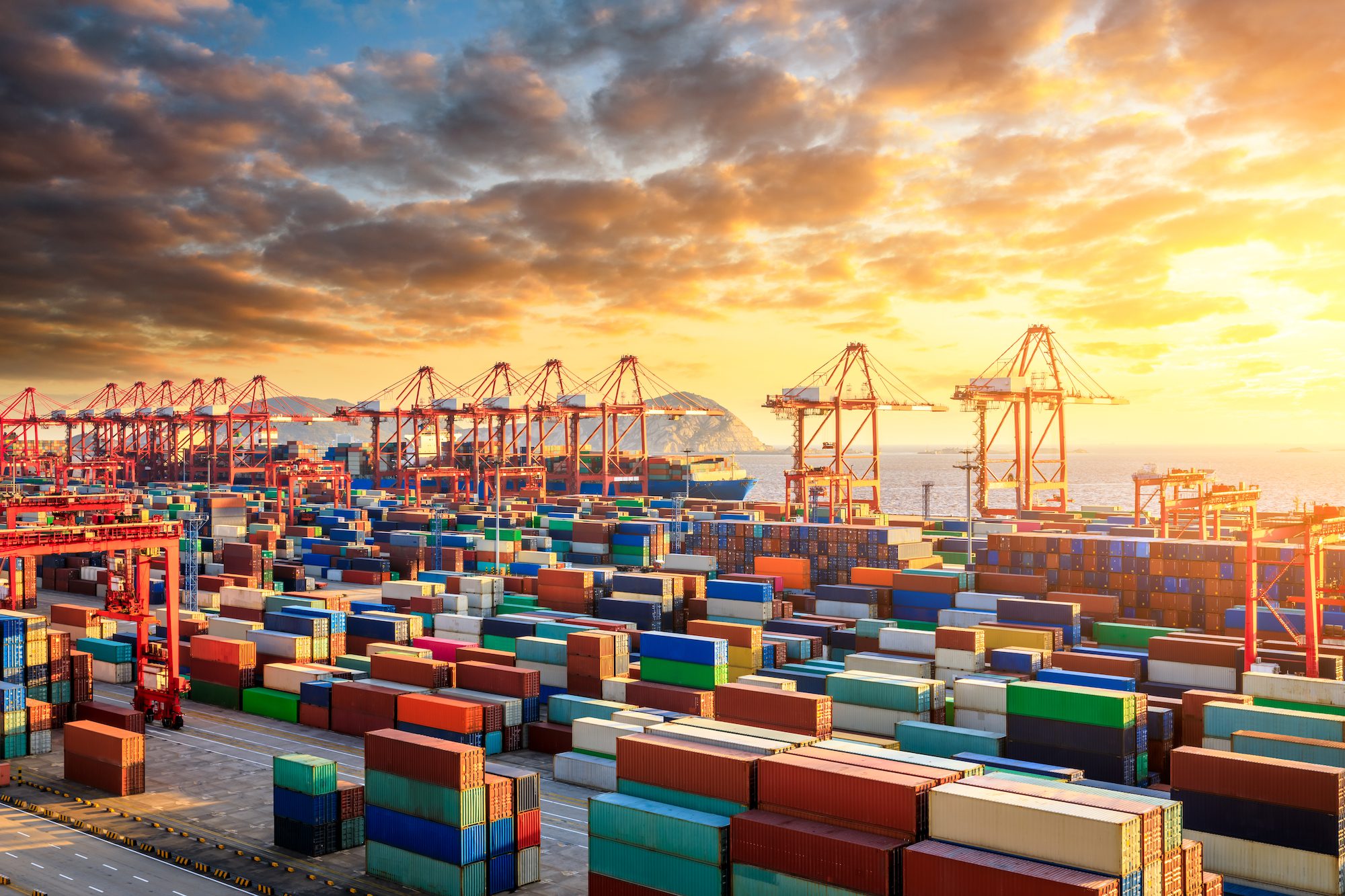
Are you prepared for the future of global shipping amidst rising trade tensions? This article dives into the critical trends shaping the industry, from the impact of tariffs to the strategies shipping companies are employing to adapt. Discover how geopolitical risks and technological advancements are influencing global shipping, and gain valuable insights to navigate these uncertain times.
Table of Contents
The global shipping industry is at a crossroads. Recent developments, including escalating tariffs and geopolitical uncertainties, are reshaping the landscape. As a seasoned journalist covering the maritime sector, I’ve observed several key trends emerging from the current climate. These trends will likely define the industry’s trajectory in the coming years.
The impact of Trade Wars on Shipping Companies
The imposition of tariffs, particularly between major economic powers, has a direct and significant impact on shipping companies. As the article highlights,Chinese shippers face potential earnings hits due to increased tariffs on goods exported to the US. This isn’t just a short-term blip; it’s a structural shift that could lead to:
- Reduced Trade Volumes: Higher tariffs make goods more expensive, potentially decreasing demand and, consequently, the volume of goods shipped.
- Altered Trade routes: Companies may seek alternative sourcing locations or shift trade routes to avoid tariffs, impacting established shipping lanes.
- Increased Costs: Shipping companies may face higher operational costs due to longer routes, increased inspections, and potential delays.
Case Study: Consider the impact on container liners like COSCO Shipping Holdings. If trade volumes between China and the US decrease substantially, COSCO’s earnings will likely suffer. This could lead to reduced investments in new vessels and a slowdown in expansion plans.
geopolitical Risks and Uncertainties
Beyond tariffs, geopolitical tensions add another layer of complexity. The article mentions concerns about the impact of policies related to tariffs on geopolitical issues. This includes:
- Supply Chain Disruptions: Political instability or trade disputes can disrupt supply chains, leading to delays, increased costs, and potential shortages.
- increased Scrutiny: Shipping companies may face increased scrutiny from governments, including stricter regulations and inspections.
- Shifting Alliances: Companies may need to reassess thier partnerships and alliances based on evolving geopolitical dynamics.
Did you know? The Suez Canal and Panama Canal are critical chokepoints in global shipping. Any disruption in these areas due to political instability or conflict can have a ripple effect across the entire industry.
Adapting to the New Reality: Strategies for Shipping Companies
Shipping companies are not passive bystanders. They are actively seeking ways to navigate the changing landscape. Some key strategies include:
- Diversification: Expanding into new markets and diversifying cargo types can reduce reliance on specific trade lanes or products.
- Optimizing Routes: Utilizing advanced analytics and route optimization tools to minimize transit times and fuel consumption.
- Investing in Technology: embracing digital technologies, such as blockchain for supply chain management and automation for port operations, can improve efficiency and reduce costs.
- Strategic Partnerships: Forming alliances with other shipping companies, logistics providers, and port operators can create economies of scale and improve market access.
Pro Tip: Shipping companies should closely monitor geopolitical developments and trade policy changes. Staying informed and being proactive is crucial for mitigating risks and seizing opportunities.
The Future of Shipyards and Shipbuilding
the article mentions the potential for shipping companies to pivot toward non-Chinese shipyards. This trend could be driven by:
- Trade Restrictions: Tariffs or other restrictions on Chinese-built ships could make them less competitive.
- Geopolitical Considerations: Companies may choose to diversify their shipbuilding sources to reduce their reliance on any single country.
- Technological Advancements: Shipyards in other countries might potentially be investing in new technologies, such as alternative fuels and autonomous shipping, that could attract new orders.
Example: South Korean shipyards, known for their technological prowess, could benefit from this shift. They are already investing heavily in LNG-powered vessels and other sustainable shipping solutions.
FAQ: Yoru Questions Answered
Q: How do tariffs affect shipping rates?
A: Tariffs can increase shipping rates by raising the cost of goods,potentially reducing demand,and altering trade routes,which can lead to higher fuel costs and longer transit times.
Q: What are the biggest challenges facing the shipping industry?
A: The biggest challenges include geopolitical instability, trade wars, fluctuating fuel prices, environmental regulations, and the need for technological innovation.
Q: What role does technology play in the future of shipping?
A: Technology is crucial. It enables route optimization, automation, improved supply chain management, and the advancement of more sustainable shipping solutions.
Q: Will the “de minimis” tariff exemptions impact e-commerce?
A: yes, ending these exemptions will increase costs for e-commerce businesses that import goods from China and Hong Kong, potentially affecting consumer prices and demand.
Q: What are the long-term implications of these trends?
A: The long-term implications include a more fragmented global trade landscape, increased focus on sustainability, and a greater emphasis on technological innovation to improve efficiency and reduce costs.
The shipping industry is in a state of flux. By understanding these trends and adapting proactively, companies can navigate the challenges and position themselves for success in the years to come.
Want to stay ahead of the curve? subscribe to our newsletter for the latest insights and analysis on the global shipping industry. Share your thoughts in the comments below!
