
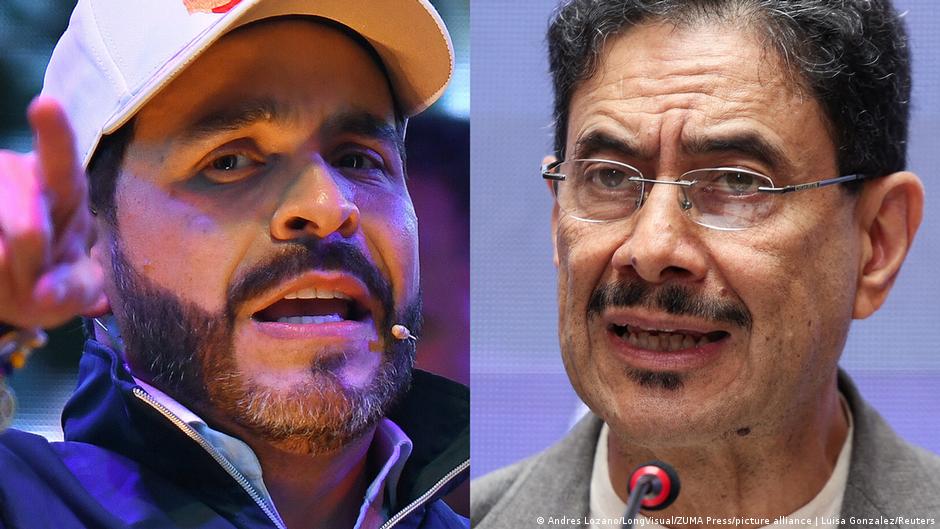
Colombia holds its presidential runoff election on Sunday, June 21, 2026, as voters choose between opposition candidate Abelardo de la Espriella and the continuity-focused Iván Cepeda. The contest, held for the 2026-2030 term, follows a turbulent campaign marked by ideological polarization, allegations of voter fraud, and the recent assassination of Miguel Uribe Turbay.
The Candidates and the Ideological Divide
The election presents voters with two fundamentally different visions for the future of the state. Abelardo de la Espriella, representing the opposition, has campaigned on a platform of strict authority and a break from the policies of the current administration, according to reporting by Revista Semana. In contrast, Iván Cepeda, a long-time human rights advocate, advocates for the continuation of the socio-ecological transformation and peace initiatives championed by President Gustavo Petro.
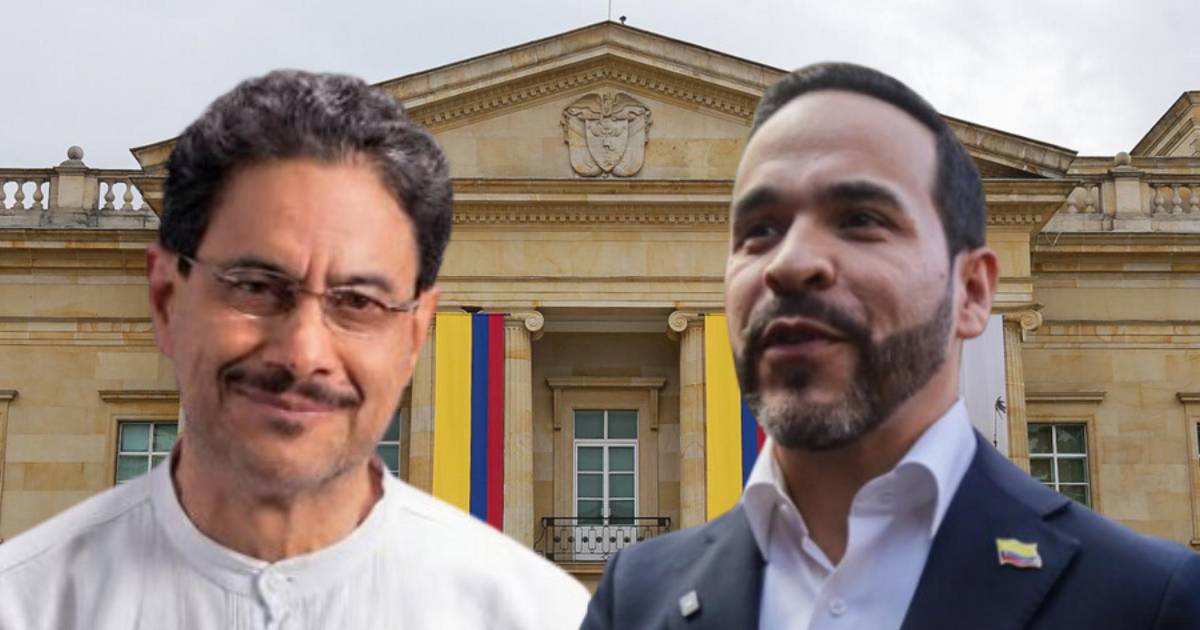
Cepeda’s political history is rooted in institutional and legal frameworks, a distinction highlighted by Viviana García Pinzón, a researcher at the Arnold Bergstraesser Institute, in an interview with DW. While Cepeda is viewed as a serious politician with a firm commitment to human rights, some observers suggest he lacks the charisma often associated with high-stakes electoral politics. Conversely, De la Espriella has utilized a populist appeal, often appearing in the Colombian national football team’s jersey to emphasize themes of prosperity and traditional values.
Polling Data and Voter Mobilization
As of the final days of the campaign, polling data suggested a competitive race. Revista Semana reported that an AtlasIntel survey gave De la Espriella 52.4% of the vote compared to 44.4% for Cepeda. However, analysts caution that the outcome remains fluid due to the significant number of voters who abstained in the first round or supported now-eliminated candidates.

According to an analysis by El Colombiano, approximately 2.3 million votes are currently in play. The report identifies that the Pacto Histórico failed to activate its regional machinery with the same intensity seen in the March legislative elections, particularly in departments like Córdoba and Atlántico. While the Pacto Histórico holds a theoretical potential for 584,000 additional votes, De la Espriella’s camp is also looking to tap into dormant support in regions like Bolívar and Tolima.
Critical Challenges Facing the Incoming Government
The next president will inherit a nation grappling with significant economic and security pressures. Among the most pressing issues is the state of the health system, which is currently facing a massive deficit and widespread service closures. Corruption remains a pervasive concern, with reports suggesting that approximately $ 50 b are lost annually to corrupt practices, a figure often cited by critics of the current administration, as noted by EL TIEMPO.
- Security: Criminal groups have expanded their influence, with reports of increased extortion, kidnapping, and territorial control.
- Narcotrafficking: Cultivation of coca has reached 300,000 hectares, maintaining Colombia’s position as a leading global producer of cocaine.
- Economy: The government faces high inflation and a strained fiscal budget, leading to debates over the sustainability of current public spending.
The “total peace” strategy—a cornerstone of the current government’s policy—has come under fire for failing to reduce violence against civilians. “no ha alcanzado sus objetivos ni ha reducido de forma decisiva la violencia contra la población civil, según explica García Pinzón en entrevista con DW. Kurtenbach opina lo mismo. Petro se presentó con una”, noted analysts regarding the mixed results of the administration’s peace efforts. The incoming president will be tasked with deciding whether to maintain these negotiations or adopt a more aggressive security posture.
Tensions and Public Expectations
The campaign environment has been characterized by intense friction. President Petro’s active participation in the election has drawn criticism, with reports of him questioning the electoral system. Despite these concerns, there is a widespread call for a peaceful transition. Some observers, such as the columnist cited by EL TIEMPO, predict that regardless of the winner, the electoral system and international observers will ensure the results are respected, allowing the nation to move forward on Monday.
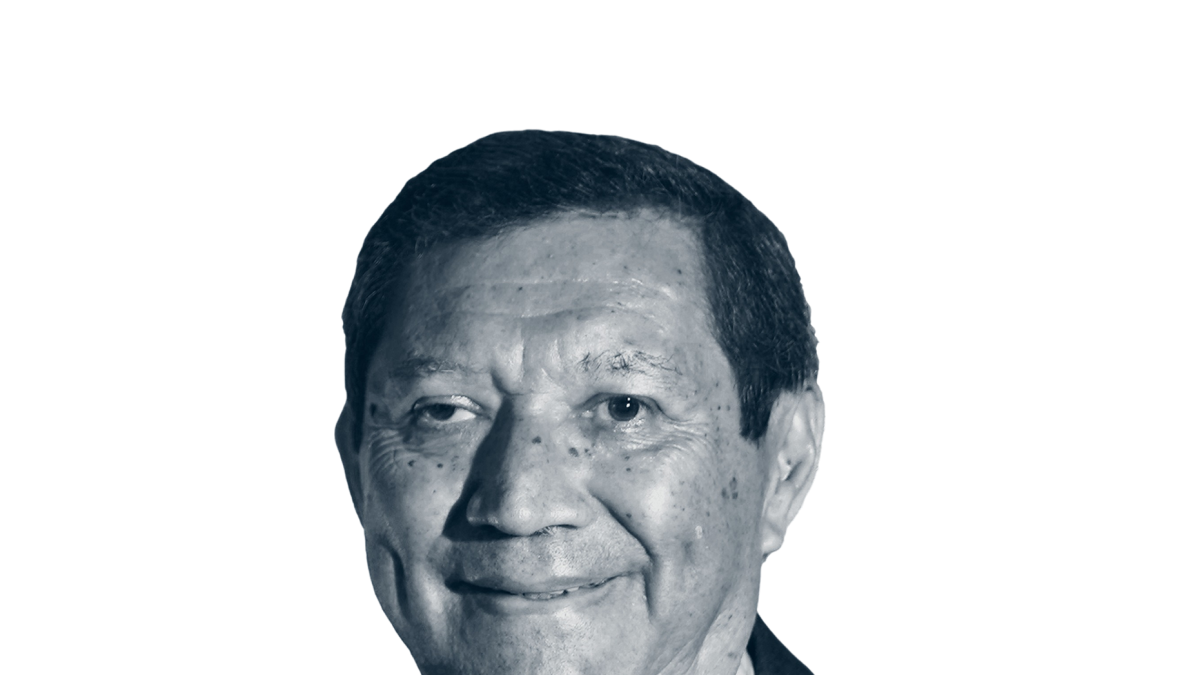
As the country heads to the polls, the focus remains on whether the “maquinaria” will mobilize to swing the final result. With the memory of the 1994 assassination of Manuel Cepeda Vargas still lingering in the background of Iván Cepeda’s political identity, and De la Espriella’s high-profile backing, the nation faces a definitive moment in its democratic trajectory.
Find more reporting in our World section.
