
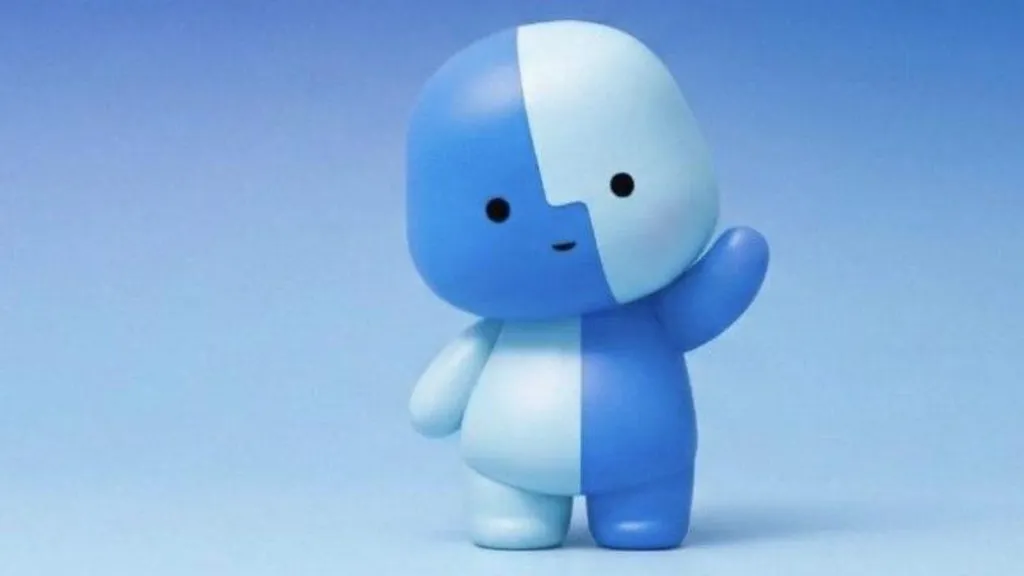
Silicon Valley is shifting the face of artificial intelligence, moving away from sterile interfaces toward animated mascots designed to make complex technology feel more accessible and “friendly.” From smiling spheres to personalized robots, tech giants are increasingly using character-driven design to bridge the gap between users, and AI.
The Rise of the AI Avatar
Industry leaders are deploying a variety of visual identities to humanize their AI offerings. Apple has introduced “Little Finder Guy,” a blue character featured in promotional clips for its latest laptops, according to the BBC. Meanwhile, Microsoft has launched Mico, a smiling, floating sphere that interacts with users within the Copilot ecosystem.
Google is taking a more personalized approach by allowing users to customize the Android robot based on their own selfies. This trend toward visual expression also extends to platforms like Reddit and Mozilla, both of which have redesigned their existing mascots to be more animated and expressive. This strategic pivot suggests a broader industry effort to reduce the intimidation factor associated with advanced AI.
Beyond Utility: The Psychology of “Cute”
The shift is driven by both marketing strategy and behavioral psychology. Marketing specialists note that these characters help brands appear more human, which in turn fosters deeper customer attachment. Companies have stated that these personas make AI conversations feel more natural and welcoming.

Psychologists suggest that the effectiveness of these “cute” designs is rooted in instinct. Humans typically react positively to characters with disproportionately large heads and big eyes—traits that mirror the appearance of human infants—making these mascots instinctively appealing to a wide audience.
Case Study: The Virality of Duolingo
While some companies are just beginning this transition, Duolingo has already mastered the art of the AI persona. The company’s owl mascot, Duo, has evolved into a central figure on TikTok and Instagram, amassing more than 20 million followers. Duolingo reports that users are no longer simply engaging with an application, but are instead developing a relationship with the character itself.
The integration of these viral personalities signals a significant evolution in user experience design. By transforming abstract code into relatable characters, Big Tech is prioritizing emotional connection as a primary driver for the mass adoption of artificial intelligence.
